

Open ’til 7pm + Saturday
Call
832-804-7427
832-804-7427
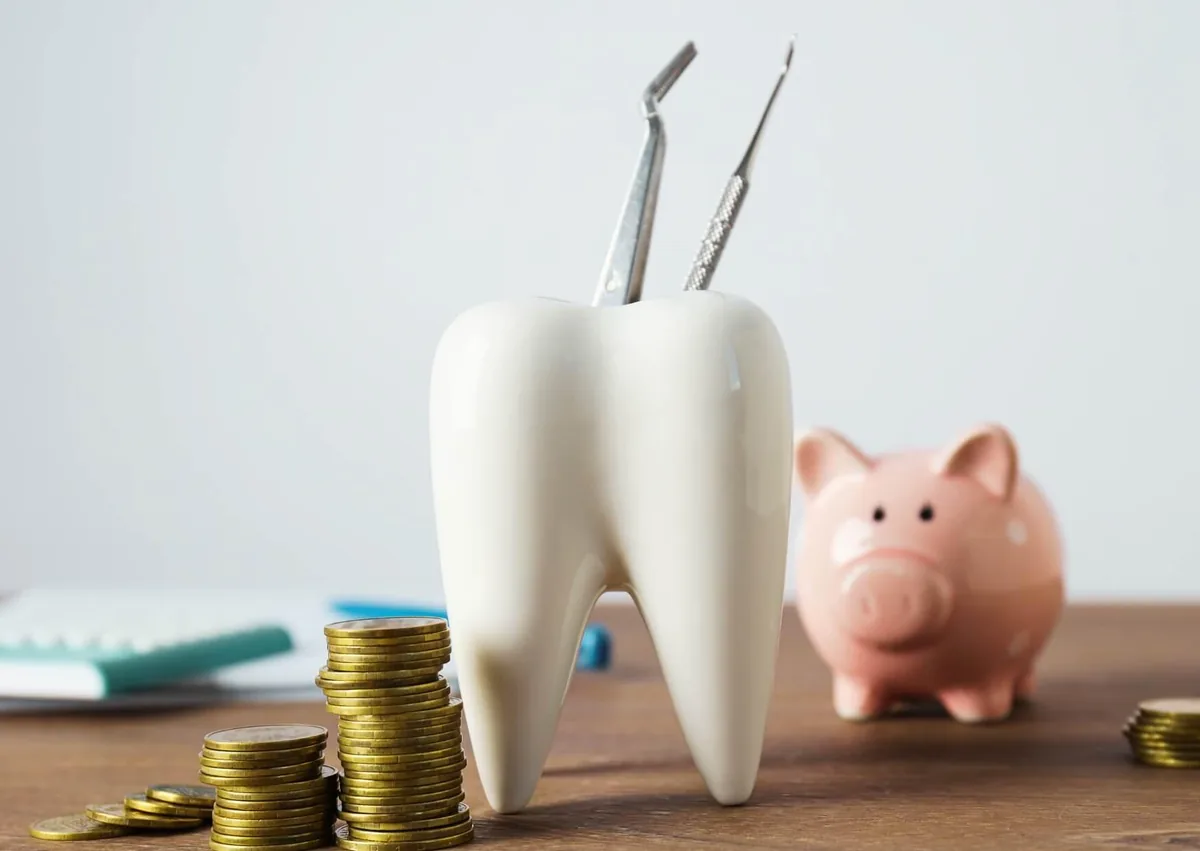
In the United States, dental bonding cost typically ranges from $300 to $600 per tooth. Total treatment often falls around $300 to $4,800 or more, depending on how many teeth are treated, how complex the repair is, and whether the bonding is cosmetic or restorative.
These are general estimates, not quotes. A dental exam is needed to confirm whether bonding is the right option and whether the fee includes X-rays, photos, reshaping, polishing, or follow-up adjustments.
If a chipped edge, small gap, or uneven tooth is making you compare cosmetic options, dental bonding can be a conservative way to improve your smile with little enamel removal. Lovett Dental in Houston, TX helps patients understand realistic pricing, expected longevity, and whether bonding is the right fit before moving forward.
Dental bonding uses a tooth-colored composite resin to restore or reshape part of a tooth. The dentist matches the shade, prepares the surface, places and sculpts the resin, hardens it with a curing light, and polishes the result.
Bonding is often completed in one visit. For minor cosmetic changes, little or no healthy enamel may need to be removed.
Anesthetic may not be needed for simple surface bonding. It may be used if the tooth has decay, sensitivity, or a deeper area that needs repair.
The number of teeth treated is one of the biggest cost drivers, but the total is not always a simple per-tooth multiplication. Several front teeth may require more design work to create a balanced color, shape, and smile line.
Other common pricing factors include:
Ask for a written estimate that lists the number of teeth, the planned work, and what is included. It is also reasonable to ask whether future polishing, minor repairs, or replacement would be separate charges.
Bonding is often a good choice for small to moderate cosmetic or structural changes on otherwise healthy teeth. It may be used to repair a small chip, close a modest gap, improve the shape of a short tooth, cover exposed root surfaces, or restore a limited area affected by wear or decay.
It is usually most predictable when enough healthy tooth structure remains and the bite is not placing excessive force on the bonded area. Bonding can also appeal to patients who want a conservative treatment that is usually completed quickly.
A dentist may recommend something else if the tooth has major structural loss, heavy grinding, a deep fracture, severe discoloration, or a large existing restoration. In those situations, bonding may not provide the durability or coverage needed.
Any active cavity or gum disease should be treated before elective cosmetic bonding. A proper exam helps make sure the problem is not being covered up instead of corrected.
Some people need bonding on just one tooth. Others choose treatment on two to four visible teeth, while broader cosmetic changes may involve six to eight upper front teeth.
The right number depends on which teeth show when you smile, how noticeable the concern is, and whether untreated neighboring teeth would make the bonded tooth stand out. Treating more teeth is not always necessary.
Whitening is worth discussing before bonding because composite resin does not whiten the way natural enamel does. If you whiten later, the bonded areas may no longer match and could need replacement.
Bonding usually has the lowest upfront cost of these options. Porcelain veneers often cost about $900 to $2,500 per tooth, while dental crowns commonly range from about $1,000 to $2,500 per tooth, depending on material, lab work, and clinical needs. Readers who want a separate price breakdown can review veneers cost.
The lower price does not mean bonding is always the better value. Bonding is easier to repair and usually preserves more enamel, but it is more likely to stain, chip, or wear than porcelain.
Veneers are used for broader cosmetic changes to the front of a tooth, while crowns cover most of the visible tooth when more structural protection is needed. If you want a separate side-by-side overview, see bonding vs. veneers or learn more about what are veneers.
A good cost comparison should include expected lifespan, maintenance, and how much tooth structure each option preserves. During a cosmetic dentistry consultation, the goal should be the least invasive treatment that can predictably meet the clinical and cosmetic needs.
Insurance sometimes helps pay for bonding when it is medically necessary. That may include restoring decay, repairing damage, or rebuilding part of a tooth to improve function.
Coverage is less likely when bonding is done only to change color, shape, spacing, or appearance, since cosmetic dentistry is often excluded unless it also serves a medical purpose. Even when bonding is covered, the plan may still apply a deductible, waiting period, annual maximum, or frequency limit.
Some plans use an alternate-benefit provision. That means the insurer may pay only what it would allow for a less expensive covered treatment, leaving the patient to pay the difference.
A pre-treatment estimate can help, but it is not always a guarantee of payment. The dental office can submit codes and records, while the insurer makes the final coverage decision.
If you are paying out of pocket, ask whether treatment can be phased and whether HSA or FSA funds may apply. Eligibility depends on plan rules and whether the procedure is classified as cosmetic.
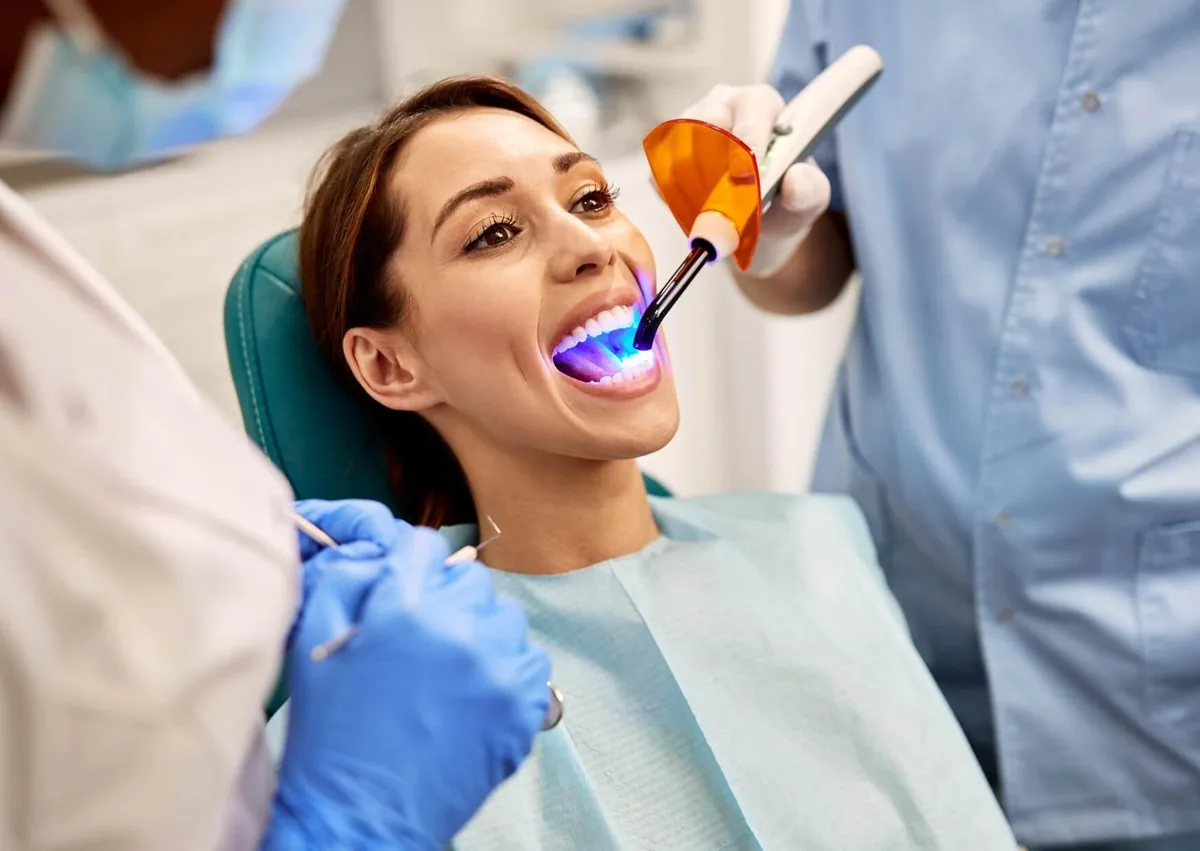
Dental bonding often lasts three to 10 years, though actual longevity varies. A small bonded area on a low-stress surface may last longer than bonding placed on a biting edge or on a tooth exposed to grinding.
Daily habits matter. Clenching, nail biting, chewing ice, opening packages with teeth, and frequent hard-object chewing can shorten the life of the resin.
Routine care helps protect the restoration and the tooth underneath it. Brush twice a day with fluoride toothpaste, clean between the teeth, keep regular dental visits, and ask about a nightguard if you grind or clench.
Coffee, tea, red wine, and tobacco can stain bonding over time. Some surface discoloration may polish away, but deeper staining, repeated chipping, or wear may mean the bonding needs repair or replacement.
Bonding often offers strong short-term value when used for the right problem. If repeated repairs are likely, a higher-cost option may sometimes make more financial sense over the long term.
Schedule a dental evaluation if a tooth becomes sensitive, changes color, feels rough, or develops a visible chip, gap, or worn area. Those changes can have different causes, and the cause should be identified before cosmetic treatment is placed.
Prompt care is important if you have worsening pain, pain when biting, swelling, drainage, fever, or a loose tooth. Seek urgent dental or medical help for rapidly spreading facial swelling, trouble breathing or swallowing, uncontrolled bleeding, or significant facial trauma.
For elective treatment, bring photos of the look you want and ask how many teeth are being recommended, what the total fee includes, how long the bonding is expected to last, and what maintenance may cost later. A written plan makes it easier to compare options based on both price and long-term value.
The next step is a focused exam to confirm whether bonding can meet your cosmetic and functional goals and to review a clear written estimate. Contact Lovett Dental for dental bonding in Houston, with care also available for patients from Baytown and Beaumont, and call (832) 617-5530 or schedule online to discuss pricing and next steps.
Usually, yes. The fee can still vary based on the size of the repair, the tooth location, and whether exams, X-rays, whitening, or protective appliances are billed separately.
Many simple cases can be completed in one visit. Multiple teeth, detailed cosmetic planning, or untreated dental problems may require additional visits.
Most plans do not cover bonding done only for appearance. Partial coverage may be possible when bonding restores decay, damage, or function, depending on the plan.
Not always. Compare what is included, how well the tooth and bite have been evaluated, and how likely the bonding is to need future maintenance.
Bonded teeth need the same daily brushing, flossing, and regular exams as natural teeth. Avoiding hard habits and addressing grinding can help the bonding last longer.
Lovett, Splendid & Haven Dentistry
Dental Offices in TX