

Open ’til 7pm + Saturday
Call
832-804-7427
832-804-7427

How long after fluoride treatment can I eat? It depends on the fluoride product used. After fluoride varnish, many offices allow soft foods and cool or lukewarm drinks right away, while some ask you to wait about 30 minutes. After fluoride gel, foam, or rinse, the usual instruction is to wait 30 minutes before eating or drinking.
Fluoride treatment may be applied during or after a routine dental cleaning. The safest rule is to follow the instructions from the office that treated you, because timing can vary by product.
If you're unsure how long to wait after a fluoride application and want product-specific guidance for safe eating and drinking, Lovett Dental in Houston, TX explains fluoride varnish versus gel aftercare and gives simple, personalized instructions so you leave with clear steps to protect your child's or your enamel.
The right wait time depends on whether you had varnish, gel, foam, or a rinse. Use the office's instructions first, and use this table as general guidance.
|
Fluoride Application |
Typical Eating and Drinking Guidance |
Other Common Instructions |
|---|---|---|
|
Fluoride varnish |
Depending on the product, eat and drink right after or wait about 30 minutes |
Choose soft foods and cool or lukewarm drinks; avoid hard, sticky, or hot items for several hours |
|
Fluoride gel or foam in trays |
Wait about 30 minutes before eating or drinking |
Do not rinse during the waiting period |
|
Fluoride rinse |
Wait about 30 minutes before eating, drinking, or rinsing |
Spit out the rinse as instructed; do not swallow it |
Some varnishes are designed to stay on the teeth for several hours even if eating is allowed. If your office gave you a written aftercare card, that timeline should take priority.
The wait helps fluoride stay in contact with the teeth long enough to do its job. If you eat, drink, rinse, or brush too soon, you may wash away or disturb the treatment before it has had enough time to work.
Fluoride varnish is different from gels and rinses because it forms a thin coating on the teeth. Gels, foams, and rinses do not leave the same protective layer, so a short no-food and no-drink period is more important.
Fluoride varnish hardens when it mixes with saliva. That is why some varnish products allow limited eating and drinking soon after treatment, especially if you choose soft foods and cooler drinks.
Gel, foam, and rinse treatments are easier to dilute or wash away. A 30-minute wait gives the fluoride more time on the tooth surface before food, drinks, or water interfere.
Water may be okay after fluoride varnish, but only if your office says it is. If water is allowed, choose cool or lukewarm water rather than hot drinks.
After fluoride gel, foam, or rinse, do not drink water during the waiting period, which is commonly 30 minutes. You should also avoid rinsing unless your dentist gave different instructions.
Do not brush or floss right after varnish unless the office specifically told you to. Many offices advise waiting at least four to six hours or until the next morning before you brush or floss, but the exact timing depends on the varnish used.
Chewing gum should also wait. Sticky gum can pull varnish off the teeth, and gum after gel, foam, or rinse can disrupt the treatment before the waiting period ends.
If you are allowed to eat after fluoride varnish, choose soft foods first. Good examples include yogurt, applesauce, scrambled eggs, oatmeal, or soft pasta.
For the first several hours after varnish, many offices recommend avoiding:
These limits help the varnish stay on the teeth for the intended time. Once the recommended period has passed and the varnish has been brushed away, normal eating usually resumes.
Fluoride varnish often makes the teeth feel rough, tacky, coated, or slightly gritty. It may also look dull or a little yellow until it wears off.
That texture is temporary and expected. The varnish usually wears down over several hours and is often gone by the next day after normal eating and brushing at the approved time.
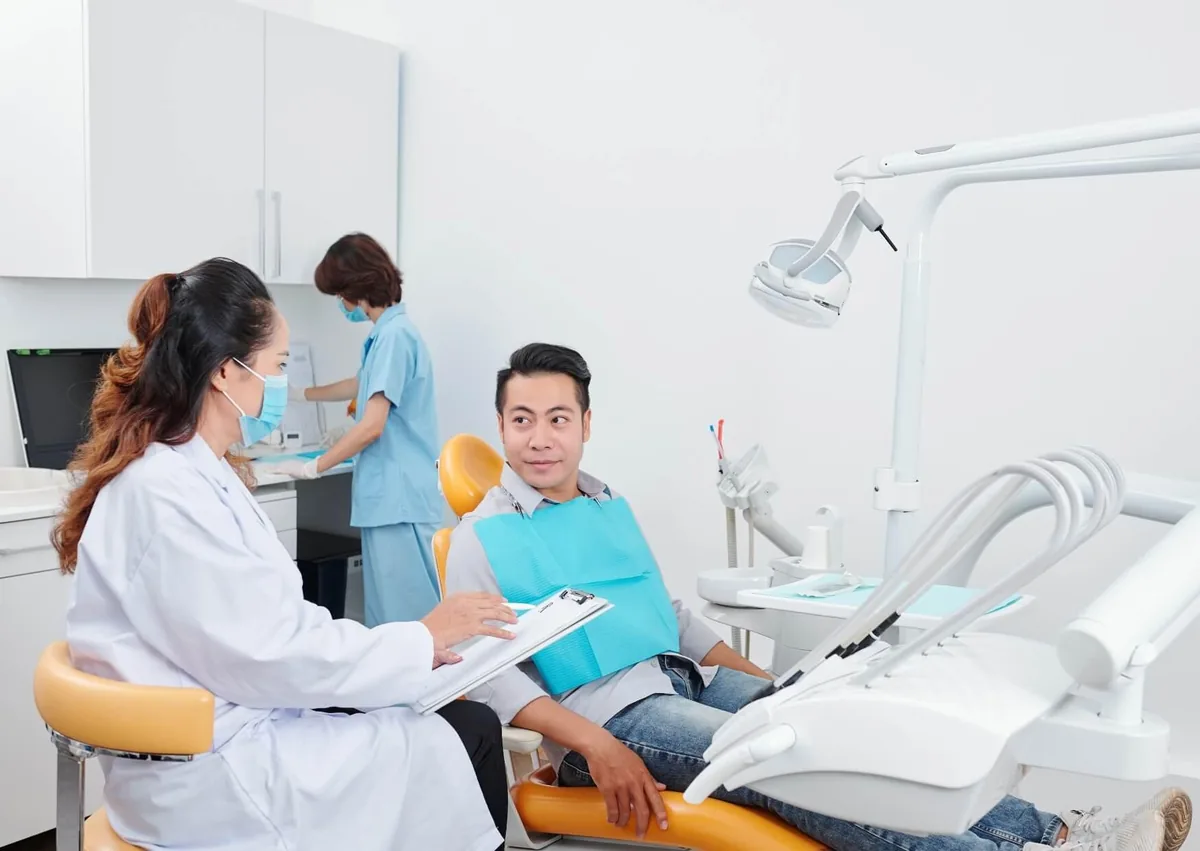
Call the office if you are not sure which fluoride product was used or if the instructions were unclear. You should also call if you accidentally ate, drank, rinsed, brushed, chewed gum, or vomited sooner than advised.
In most cases, disrupting the treatment early is not an emergency. The office can tell you whether the fluoride likely still had enough contact time or whether anything else is needed.
Contact the office promptly if you have persistent mouth irritation, unusual pain, swelling, or repeated vomiting. Seek urgent medical care right away for trouble breathing, facial or throat swelling, widespread hives, or faintness.
If your written instructions conflict with general online advice, follow the treating office's directions. They know the exact product used and how long it should stay undisturbed.
If you have questions or your aftercare instructions are unclear, contact the office to confirm how long to wait after treatment and whether specific foods or brushing are okay. Lovett Dental offers fluoride treatments in Houston, TX and can clarify your post-treatment timeline, call (832) 617-5530 or book online to get concise guidance.
It usually is not an emergency. Eating too soon, especially hard or sticky foods, may remove some of the varnish, so call the treating office if you are unsure whether the treatment was disrupted.
After gel, foam, or rinse, wait the full instructed period, which is commonly 30 minutes. After varnish, hot coffee may soften or disturb the coating, so wait until your office says it is okay.
Many offices recommend waiting at least four to six hours or until the next morning. Because varnish products differ, follow the timeline given by your dental team.
Yes, if the product used allows it. If food is permitted after varnish, offer soft, cool, or lukewarm foods and supervise the child to avoid gum and hard or sticky foods; for child-specific guidance, ask your provider in pediatric dentistry.
Lovett, Splendid & Haven Dentistry
Dental Offices in TX