

Open ’til 7pm + Saturday
Call
832-804-7427
832-804-7427
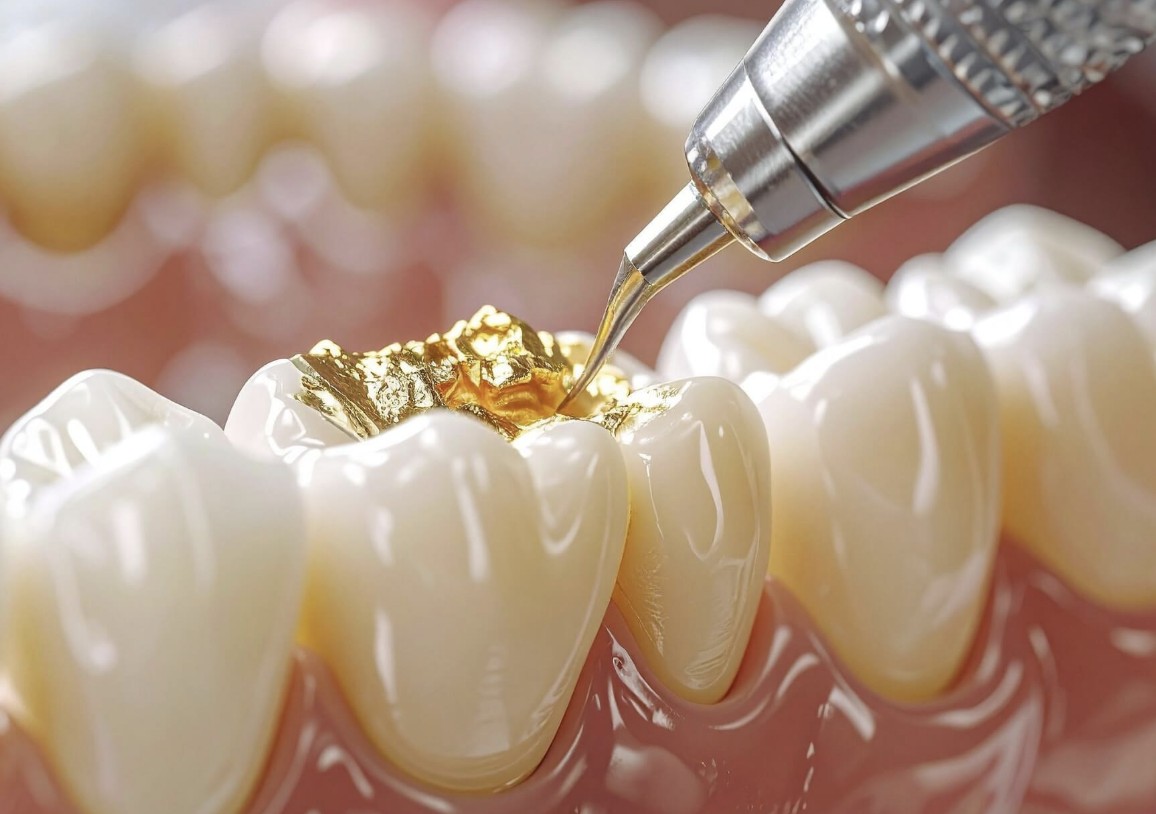
If you need a filling, the short answer is simple: most tooth fillings take about 20 to 60 minutes per tooth. The full visit may take longer if the tooth is hard to reach, the cavity is larger, or numbing is needed.
That time can include an exam, X-rays if needed, local anesthetic, the filling itself, and a bite check at the end. Understanding how quickly a cavity can develop may help you catch problems earlier. Learn more about cavity formation.
At Lovett Dental in Houston, our fillings & sealants services cover routine cavity repair and tooth-colored options if that is the care you need.

A filling repairs a tooth damaged by decay, a small fracture, or wear. The dentist removes the damaged area, cleans the space, and places a material that restores the tooth’s shape and function.
A typical visit often includes these steps:
If you are not sure what your symptoms mean, read about cavity symptoms.
If you need an exam or X-rays first to confirm the extent of decay, our general dentistry services handle evaluations and routine care.
The actual drilling and filling part is often shorter than patients expect. In many cases, setup, numbing, and bite adjustments take nearly as much time as the repair itself.
Not every filling takes the same amount of time. A small cavity on an easy-to-reach surface is usually much faster than a deep cavity between back teeth.
Common reasons a filling may take longer include:
If the decay is very deep, the dentist may need to work more carefully to protect the tooth. In some cases, what looks like a routine filling may turn out to need a different treatment, such as a crown or root canal, and you may be referred to our restorative dentistry options.
If the nerve may be involved, learn more about root canal signs.
Yes, the material can affect how long the visit takes. Composite fillings are tooth-colored resin restorations, and they often take longer than amalgam fillings because they are placed in layers and hardened step by step with a special light.
Amalgam is the silver-colored metal filling material used less often today. It can sometimes be placed more quickly in certain situations.
Composite fillings are popular because they blend in with the tooth. They usually require a drier field and more detailed shaping, especially on visible teeth.
The dental work may be finished in under an hour, but numbness may last for several hours afterward. That is normal after local anesthetic.
The exact timing depends on the area treated, the anesthetic used, and your body’s response. Lips, cheeks, or the tongue may stay numb longer than the tooth itself.
It is usually best to wait until normal feeling returns before eating anything hot or chewy. Accidentally biting the cheek or tongue is common after dental numbing, especially in children.
Most patients return to normal activities the same day. Mild sensitivity to cold, pressure, or sweets can happen for a few days and sometimes a little longer, especially if the cavity is deep.
Your bite should feel even once the numbness wears off. If the tooth feels too high when you chew, the filling may need a small adjustment.
Call the dental office if you notice:
If you have sudden severe pain, a broken tooth, or concerning swelling, seek emergency care right away.
These symptoms do not always mean something serious, but they should be checked. A filling that is too high, a deeper nerve irritation, or an undiagnosed crack can all cause ongoing discomfort.
A filling works best when enough healthy teeth remain to support it. If decay is extensive or the tooth is cracked, a filling may not be the most durable option.
In some cases, the dentist may recommend a crown or root canal treatment. The pulp is the soft inner tissue inside the tooth that contains nerves and blood vessels.
This is one reason appointment length can be hard to predict with complete accuracy before treatment starts. A small cavity is usually straightforward, but a deeper problem may only become fully clear once the damaged area is opened and cleaned.
Try to arrive on time and explain your symptoms clearly, especially pain with cold, biting, or sweets. Those details help the dentist judge how deep the problem may be.
If you tend to feel anxious at dental visits, mention that early. A calm, steady appointment usually goes faster than one interrupted by stress, frequent breaks, or trouble getting comfortable.
If anxiety is a concern, resources to overcome dental fear can help.
For most people, a filling is one of the more routine dental treatments. It is usually efficient, predictable, and much easier than waiting until the tooth needs more extensive care.
If you have ongoing tooth sensitivity, a visible hole, food trapping, or pain when chewing, it is worth booking an exam before the problem gets worse. A dentist can tell you whether a simple filling is likely to help and how long the visit should realistically take.
Lovett Dental in Houston offers fillings & sealants and serves patients from nearby Baytown and Conroe; call us at (832) 804-7427 to learn more and book an appointment.
Yes. Most fillings are completed in one appointment unless the tooth needs a different treatment or the office is planning multiple procedures in stages.
A back tooth filling often takes longer than a front tooth filling. Molars are harder to reach, and their chewing surfaces are more detailed, so many appointments fall closer to the middle or upper end of the usual time range.
Usually, yes. Small cavities are often faster to clean and restore, especially if they are easy to access and do not require much rebuilding.
Most patients feel pressure, vibration, or water spray more than pain. If the area is sensitive, local anesthetic is commonly used to keep the procedure comfortable.
Call if you have severe pain, swelling, fever, a filling that feels loose, or a bite that still feels off after the numbness wears away. It is also worth checking in if sensitivity is persistent or getting worse instead of gradually improving.
Lovett, Splendid & Haven Dentistry
Dental Offices in TX