

Open ’til 7pm + Saturday
Call
832-804-7427
832-804-7427
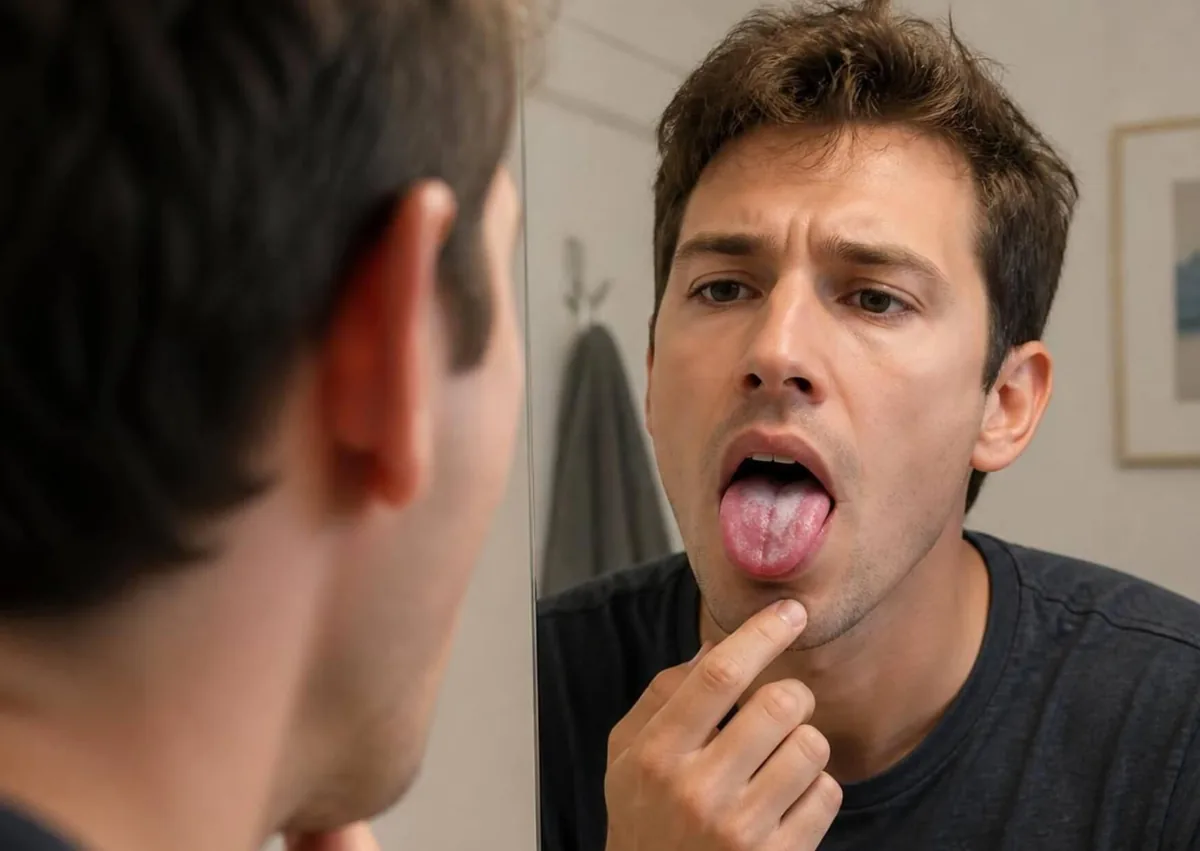
Oral thrush is a yeast infection in the mouth that often causes creamy white patches, soreness, or a cottony feeling. It is usually treatable with antifungal medicine, but an evaluation or physician assessment should confirm the diagnosis because several other conditions can look similar.
If you're noticing persistent or recurring white patches, a general dentistry evaluation can help determine whether it's thrush or another condition and guide immediate care. Lovett Dental in Houston, TX can review oral findings, coordinate treatment with other clinicians if needed, and help protect your oral health.
Oral thrush, also called oral candidiasis, happens when Candida yeast grows beyond its usual low levels in the mouth. The classic sign is creamy white or yellow-white patches on the tongue, inner cheeks, gums, roof of the mouth, or back of the throat.
These patches may wipe or scrape away, leaving red, tender tissue that can bleed slightly. Some people also notice burning, soreness, an unpleasant taste, reduced taste, cracks at the corners of the mouth, or pain with eating and swallowing.
Not every case looks the same. Some people, especially denture wearers, develop a red, sore form without obvious white patches.
Oral thrush can affect anyone, but it is more common in infants, older adults, and people whose immune defenses or oral environment have changed. Common risk factors include:
Antibiotics can reduce the bacteria that normally help keep yeast in balance. Inhaled steroids may leave medication in the mouth, and dentures can create a warm, moist surface where yeast grows more easily.
Not every white area in the mouth is thrush. A clinician looks at the location, texture, symptoms, how long it has been present, and whether it wipes away.
|
Condition |
Typical Appearance |
Does It Wipe Away? |
Common Clues |
|---|---|---|---|
|
Oral thrush |
Creamy white patches, sometimes with redness underneath |
Often, leaving a sore or slightly bleeding surface |
Burning, altered taste, recent antibiotics, inhaled steroids, dentures, or immune risk |
|
Canker sore |
Round or oval ulcer with a white or yellow center and red border |
No |
Usually a single painful open sore rather than a raised white coating |
|
Persistent white or gray patch |
Usually no |
Often painless and requires evaluation to rule out abnormal cell changes |
|
|
Milk residue in an infant |
Thin white coating, commonly on the tongue |
Usually wipes away easily |
Often appears after feeding without inflamed or bleeding tissue underneath |
|
Irritation or injury |
Rough, pale, red, or ulcerated area |
Varies |
May occur beside a sharp tooth, biting area, hot-food burn, or rubbing denture |
White patches that do not rub off should not be assumed to be oral thrush. Leukoplakia and some inflammatory, infectious, or precancerous conditions can look similar and need professional evaluation.
A dental exam can often identify oral thrush by checking the mouth and reviewing medications, health conditions, denture use, and recent antibiotic treatment. If the appearance is unusual, treatment fails, or infections keep returning, the clinician may collect a scraping or order tests for an underlying condition.
Treatment usually involves a prescription antifungal medicine used in the mouth or taken by mouth. The best option and treatment length depend on age, severity, swallowing symptoms, medical history, and possible medication interactions.
Use medication exactly as prescribed and finish the full course, even if symptoms improve sooner. Do not use leftover medication for persistent white patches, because the wrong treatment can delay diagnosis of another problem.
A clinician may also address contributing factors such as a poorly fitting denture, uncontrolled diabetes, or inhaler technique that leaves steroid medicine in the mouth. Repeated episodes should be evaluated rather than repeatedly self-treated.
Brush twice daily with fluoride toothpaste and clean the tongue gently without aggressively scraping sore tissue. Clean between the teeth daily, and replace a toothbrush after treatment if the treating clinician recommends it.
If you use a steroid inhaler, rinse your mouth with water and spit after each dose unless you were given different product-specific instructions. A spacer may reduce medicine left in the mouth for some inhalers, but ask the prescribing clinician or pharmacist first.
Remove dentures at night unless a dentist specifically tells you otherwise. Brush them daily with a denture brush and proper cleanser, clean the gums and tongue, and store dentures as directed rather than using hot water or abrasive household products.
Dentures that rub, feel loose, or no longer fit well should be checked by a dentist. Managing blood glucose and addressing persistent dry mouth with the right medical or dental clinician may also help reduce recurrence.
Regular preventative dentistry visits can help identify and reduce the factors that lead to repeat infections. For broader guidance on minor oral concerns, see common dental problems.

A dentist is often a practical first choice when symptoms are limited to the mouth, dentures may be contributing, or a white patch has an unclear cause. A physician or pediatrician should assess possible thrush when broader medical issues, medication effects, diabetes, immune suppression, or repeated infections may be involved.
Infants should receive prompt pediatric dentistry or pediatric evaluation if they feed poorly, seem dehydrated, have a fever, appear unusually sleepy, or have widespread or persistent patches. A breastfeeding parent with nipple pain or redness should contact a medical clinician because both parent and infant may need coordinated assessment.
Children and medically vulnerable adults should be evaluated promptly for new mouth patches, significant pain, reduced intake, or recurrence. Seek urgent medical care for trouble breathing, inability to swallow liquids, drooling with swallowing difficulty, dehydration, rapidly worsening swelling, or severe illness.
Arrange an examination for any patch that lasts about two weeks, does not wipe away, worsens, or returns after treatment. Timely evaluation can confirm whether the problem is oral thrush and identify factors that need attention.
If you need a focused exam to confirm a diagnosis or start treatment, arrange a general dentistry visit to evaluate oral findings, review medications, and coordinate care. Contact Lovett Dental for general dentistry in Houston, TX to discuss next steps. Call (832) 617-5530 to schedule an appointment.
Oral thrush is not usually considered contagious in the same way as a cold. Candida often already lives in the mouth, and infection usually develops when local conditions or immune defenses allow it to overgrow.
A mild case may improve if a temporary trigger resolves, but suspected thrush is safer to confirm, especially in infants or medically vulnerable people. Treatment often shortens symptoms and may lower the risk of worsening or recurrence.
Do not aggressively scrape white patches. Thrush may come away with gentle wiping, but the tissue underneath can be inflamed and may bleed, and scraping does not treat the yeast overgrowth.
Recurrence may reflect dentures worn overnight, incomplete treatment, inhaled steroid residue, dry mouth, diabetes, medication effects, or reduced immunity. A dentist or physician can confirm the diagnosis and look for an underlying cause.
Lovett, Splendid & Haven Dentistry
Dental Offices in TX