

Open ’til 7pm + Saturday
Call
832-804-7427
832-804-7427
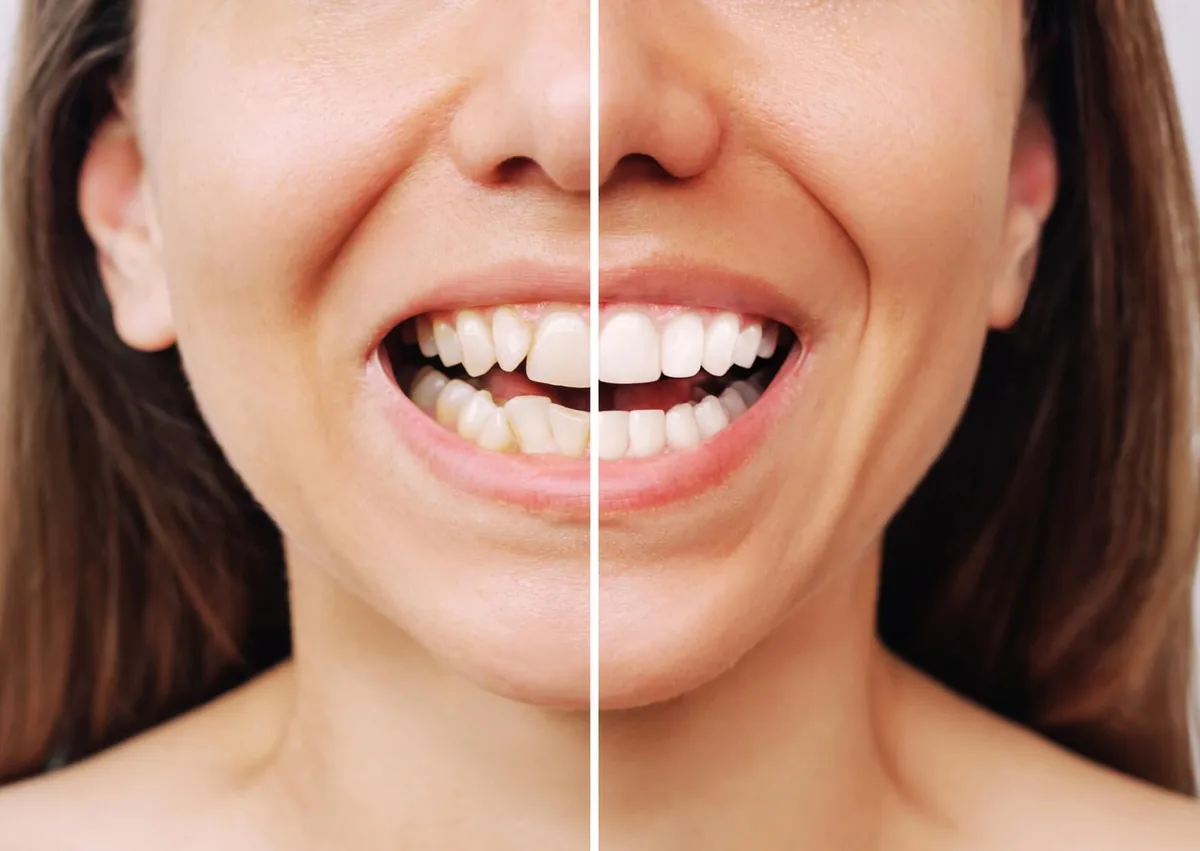
A smile makeover is a customized treatment plan that improves the appearance of your teeth and gums using one or more procedures. It may include cosmetic dentistry treatments such as whitening, bonding, orthodontics, veneers, crowns, gum care, or tooth replacement, and many patients do well with conservative options rather than veneers.
The right plan depends on what you want to change, the health of your teeth and gums, and how each step affects the next. A comprehensive dental exam helps identify the safest options, the likely sequence, and the main cost and timeline factors before treatment begins.
If you're weighing options to improve tooth color, shape, or alignment, a cosmetic dentistry review can clarify which conservative steps will meet your goals while protecting healthy tooth structure. Lovett Dental in Houston, TX helps patients understand likely timelines, costs, and maintenance so they can make an informed choice.
A smile makeover can address tooth color, spacing, alignment, shape, size, wear, missing teeth, and the amount of visible gum tissue. Some plans involve one procedure, while others combine cosmetic, orthodontic, periodontal, and restorative care.
Common options include:
Existing fillings, crowns, veneers, and bridges do not whiten like natural enamel. Because of that, a dentist may recommend whitening first so any new restorations can be matched to the updated tooth shade.
A smile makeover plan starts with your goals. Your dentist may ask what bothers you most, whether you want subtle or more noticeable changes, and what budget, maintenance, and treatment time feel realistic.
The clinical review may include an exam, gum measurements, photos, X-rays, a bite check, and digital scans or impressions. Dentists also look at tooth display, lip movement, enamel thickness, existing dental work, and whether your bite places too much force on certain teeth.
Some offices use digital previews or temporary mock-ups to show a possible result. These tools help with planning, but they are guides rather than exact guarantees.
Not every cosmetic concern needs the same solution. In many cases, the most conservative treatment that can predictably meet the goal is the best place to start.
|
Treatment |
Often Best Suited For |
Important Limitation |
|---|---|---|
|
Whitening |
Healthy natural teeth with generalized yellowing or surface stains |
Does not change the color of fillings, crowns, or veneers |
|
Bonding |
Small chips, narrow gaps, uneven edges, or limited shape concerns |
Can stain or chip and may not suit major bite or structural problems |
|
Veneers |
Selected teeth with persistent discoloration, worn shapes, or several cosmetic concerns |
Usually requires irreversible tooth preparation and healthy underlying teeth |
|
Clear aligners |
Mild to moderate crowding, spacing, or certain bite concerns |
Requires consistent wear and does not correct every orthodontic problem |
|
Crowns |
Heavily filled, cracked, weakened, or severely worn teeth |
Removes more tooth structure than bonding or many veneers |
Whitening may be enough if tooth shape and alignment are already acceptable. Bonding can work well for small, localized changes without covering the entire front surface of a tooth.
Clear aligners move teeth into better positions instead of masking alignment problems. Veneers may be considered when several visible surfaces need lasting changes in color or shape, while crowns are usually reserved for teeth that also need structural protection.
Active dental disease usually needs treatment before cosmetic work begins. Untreated cavities, gum disease, infection, and failing restorations can affect comfort, appearance, and the lifespan of new dental work.
Gums that bleed or stay swollen can change the visible gumline and make bonding, impressions, or final restoration margins less predictable. Decay under an old filling or crown can continue to spread, and untreated grinding or bite problems can lead to chipped bonding, cracked porcelain, or faster wear.
Preparation may include a cleaning, cavity treatment, periodontal therapy, root canal treatment, replacement of failing restorations, or management of clenching and grinding. In some cases, missing teeth or major bite issues also need to be addressed before the final cosmetic phase.
Treatment order matters because one step often changes the next. Health-related care usually comes first, followed by tooth movement or whitening when needed, and then final restorations that match the new tooth position and shade.
A typical sequence may look like this:
The sequence is not the same for everyone. Some patients need healing time after gum treatment, extraction, or implant placement before final impressions or final cosmetic work can begin.
A limited smile makeover may take one visit or a few appointments if it involves only whitening or bonding. More complex plans can take months when they include orthodontics, implants, gum treatment, or multiple restorations.
Timeline depends on:
Ask for a phased timeline before starting. It should explain which steps are necessary for oral health, which are elective, and whether any stage may temporarily affect eating, speech, sensitivity, or appearance.
There is no single price for a smile makeover because it is not one procedure. Total cost depends on the number, complexity, and sequence of services along with records, materials, laboratory work, and whether specialist care is needed.
The condition of your teeth and gums can change the total significantly. A patient who needs only whitening or bonding will usually have a very different plan from someone who first needs gum treatment, replacement of old restorations, bite correction, or missing-tooth treatment.
Insurance may help with procedures that restore health or function, but it often does not cover treatment done only for appearance. Ask for a written estimate that separates each phase, notes possible insurance involvement, and explains future maintenance or replacement needs.
A lower starting fee is not always the better long-term value. Durability, repair needs, preservation of healthy tooth structure, and the chance of future replacement all matter when comparing options. For treatment-specific pricing details, see veneers cost.
Daily brushing with fluoride toothpaste, cleaning between the teeth, and regular dental visits help protect both natural teeth and restorations. Tobacco use, frequent staining drinks, and repeated sugary or acidic snacks can affect both appearance and oral health.
Avoid using your teeth to open packages or bite hard objects. If you clench or grind, play contact sports, or have finished orthodontic treatment, your dentist may recommend a nightguard, sports mouthguard, or retainer.
Cosmetic results also need maintenance over time. Whitening may need touch-ups, bonding can stain or chip, and veneers, crowns, retainers, or implant restorations may eventually need repair or replacement.
Schedule a dental evaluation if you want to improve tooth color, wear, spacing, shape, or missing teeth. It is also important to seek care promptly for pain, swelling, bleeding gums, a loose tooth, a broken restoration, or increasing sensitivity instead of trying to cover the problem cosmetically.
Facial swelling, fever with dental pain, difficulty swallowing or breathing, uncontrolled bleeding, or major dental trauma needs urgent evaluation. Difficulty breathing or rapidly spreading swelling requires emergency care.

A good consultation should leave you with a clear diagnosis, treatment sequence, expected limitations, alternatives, maintenance needs, and a written cost estimate. A second opinion can be helpful before extensive or irreversible treatment if the plan does not feel clear or aligned with your priorities.
For personalized next steps, request a consultation to review your goals, timing, and likely phases so your plan prioritizes oral health. Contact Lovett Dental in Houston, TX for cosmetic dentistry focused on conservative, long-lasting results and call (832) 617-5530 or book online to arrange your visit.
No. Some patients need only whitening, minor bonding, orthodontic treatment, or replacement of a failing restoration, while others may benefit from veneers or crowns. The plan should address your specific concerns while preserving healthy tooth structure whenever possible. For more on veneer longevity, see are veneers permanent.
Possibly, but active gum disease usually needs to be controlled first. Healthy, stable gums help restorations fit more predictably and reduce the risk of complications.
No treatment can guarantee a permanent result. Natural teeth continue to age, restorations wear, and tooth position can shift without proper retention, so home care and follow-up visits still matter.
Insurance may contribute to procedures that restore dental health or function, but it often excludes treatment done only for appearance. Coverage varies, so review the proposed procedure codes and request a benefit estimate before treatment starts.
Lovett, Splendid & Haven Dentistry
Dental Offices in TX