

Open ’til 7pm + Saturday
Call
832-804-7427
832-804-7427
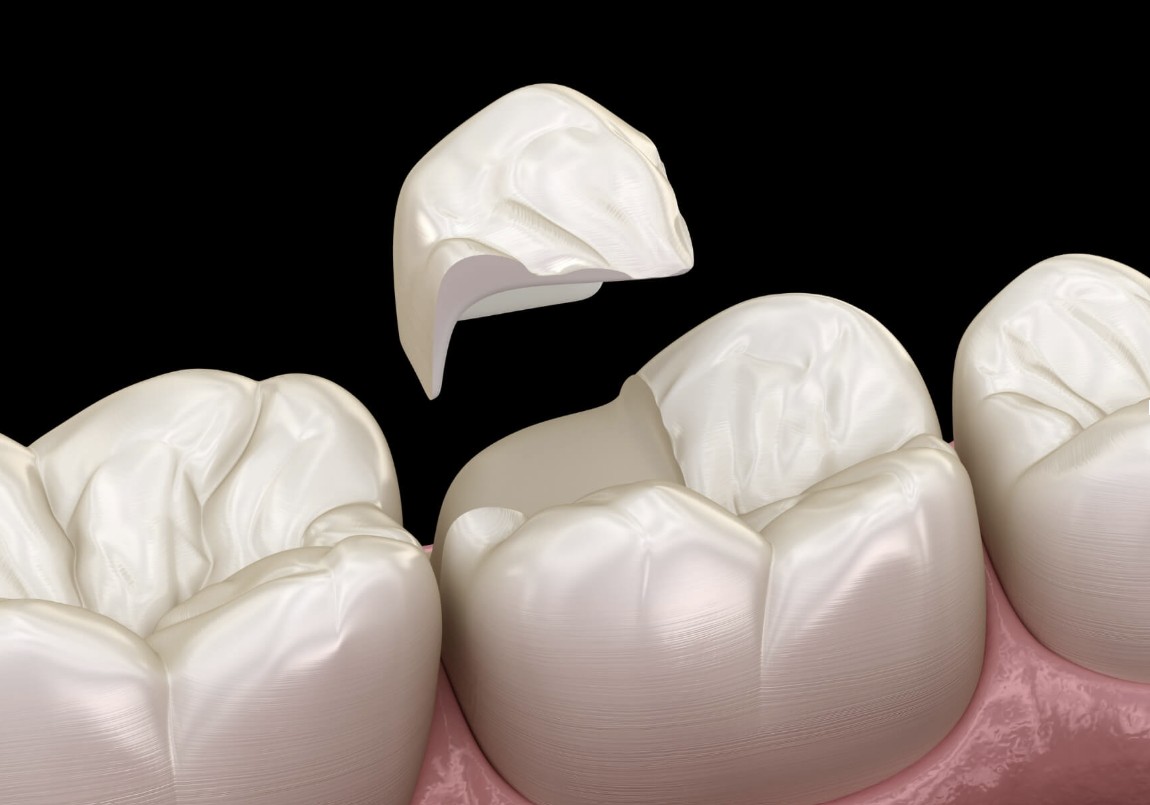
A cracked tooth may look like a thin line in the tooth, a chipped edge, or a dark line running through the enamel. Enamel is the hard outer layer of the tooth. In many cases, though, a crack is too small or too deep to see clearly in the mirror.
A tooth can also look almost normal and still be cracked. This is common when the crack is small, hidden near a filling, or extends below the gumline.
Lovett Dental in Houston, TX provides emergency dental care for problems like cracked or broken teeth and can evaluate these concerns.
A cracked tooth often causes symptoms that come and go. Many people notice discomfort when chewing, especially when they release their bite rather than when they first bite down.
Other common signs include pain when biting, sensitivity to cold or sweets, or a sharp twinge with temperature changes. The gum around the tooth may also feel sore if the crack irritates the surrounding tissue.
Not every cracked tooth hurts right away. Some are found during a routine exam before major symptoms begin. If symptoms continue or you are unsure, read about the signs you need an appointment.
Teeth naturally have lines, ridges, and small surface irregularities, so a true crack can be easy to miss. A superficial line may look like a harmless craze line, which is a tiny enamel line that usually does not affect tooth health.
Dentists may use magnification, bright light, bite tests, or dental imaging to look more closely. Sometimes the crack becomes clearer only after symptoms are matched with exam findings.
Some cracked teeth show a fine line that runs up and down the side of the tooth. Others look like a small corner has broken off, or a filling area has developed a split around it, similar to problems discussed in treating a chipped tooth.
A deeper crack may cause part of the tooth to move slightly under pressure, even if the tooth still looks intact. If the crack extends below the gumline, there may be little to see above the gum at all.
Cracked teeth are common in molars because these teeth handle most of the chewing force. Biting hard foods, clenching or grinding, large fillings, and age-related wear can all increase the risk.
A tooth may also crack after trauma, such as a sports injury or fall. Sudden temperature changes are sometimes mentioned, but repeated heavy force is usually the bigger factor.
According to Johns Hopkins, long-term grinding can put extra stress on teeth and raise the risk of cracks or fractures. Many people do not realize they grind until a tooth becomes sensitive or a restoration starts to fail. If grinding is a concern, your dentist can help you stop teeth grinding.
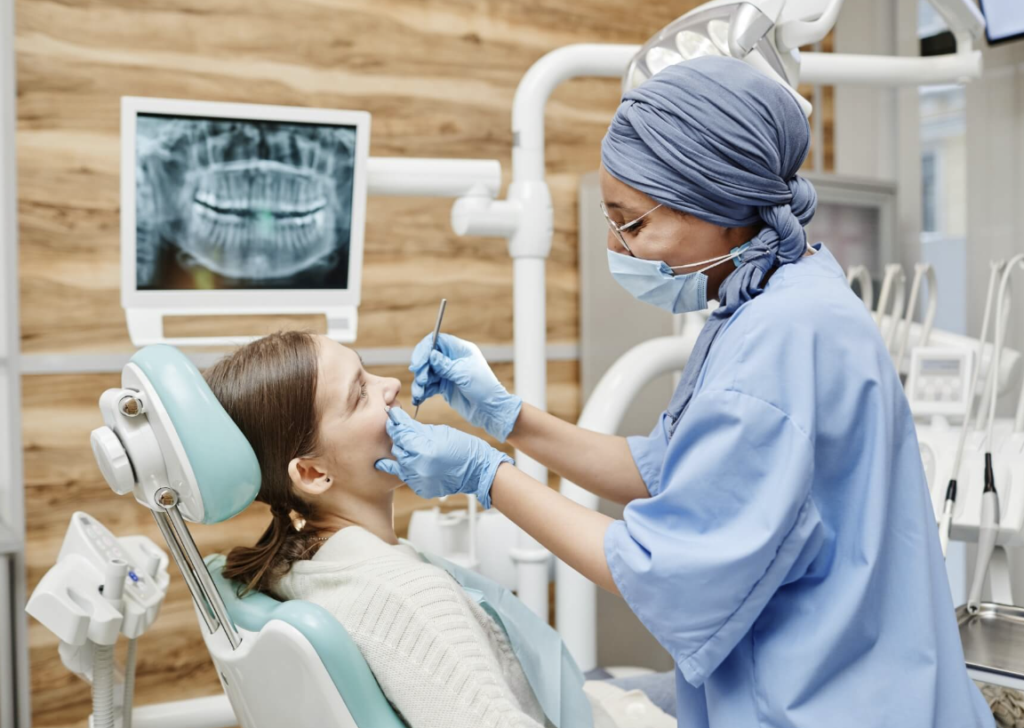
Tooth pain does not always mean there is a crack. Similar symptoms can come from a cavity, a loose filling, gum inflammation, or irritation of the tooth nerve, called the pulp.
A dentist may ask when the pain happens, whether cold triggers it, and whether chewing causes a sharp release of pain. That pattern often helps narrow the cause faster than appearance alone.
Testing may include checking the bite, examining old restorations, using special dyes or light, and taking x-rays. Standard x-rays do not always show a crack directly, but they can reveal related changes around the tooth or root.
There is no single treatment for every cracked tooth. Minor enamel lines may only need monitoring, while a deeper structural crack may need a dental crown to protect the tooth.
If the crack has irritated or damaged the pulp, a root canal may be recommended before the tooth is restored. You can also learn more about root canal signs. If the crack extends too far below the gumline or splits the tooth, saving it may not be possible.
Repair options can range from fillings and crowns to more advanced solutions when needed. Your dentist will explain whether restorative dentistry is appropriate.
The key point is timing. A small crack can deepen with normal chewing, so ongoing symptoms deserve an exam rather than watchful waiting.
If you think a tooth may be cracked, try to chew on the other side and avoid very hard or sticky foods. Keep the area clean with normal brushing and flossing, but do not keep testing the tooth by biting down repeatedly.
Seek prompt dental care if the pain keeps coming back, the tooth feels different when you bite, or a piece has chipped off. For urgent symptoms such as swelling, severe pain, fever, or a bad taste from the gum, consider seeking emergency dental care right away, or read what is a dental emergency.
Prevention usually focuses on limiting excess force. Avoid chewing ice, hard candy, and unpopped popcorn kernels, and do not use your teeth to open packaging.
If grinding or clenching is a concern, a dentist may recommend ways to protect your teeth, especially during sleep. Regular exams also matter because worn fillings, bite problems, and early fractures are often easier to manage before symptoms become more serious.
If a tooth looks suspicious or feels sharp, sensitive, or painful when chewing, a dental exam is the safest next step. A clear diagnosis can show whether the line you see is harmless surface wear or a crack that needs treatment.
Lovett Dental in Houston, TX provides emergency dental care for patients in the area and nearby communities like Baytown and Conroe; call our office at (832) 804-7427 to schedule an appointment.
Sometimes, but not always. Small cracks are often hard to see, and deeper cracks may be hidden below the surface or near an old filling.
No. Some cracked teeth cause no symptoms at first, while others cause sharp pain only when biting or with cold foods and drinks.
No. A dark line may be a stain in a groove, a harmless craze line, or another surface change. It is worth having checked if there is pain, sensitivity, or a visible chip.
No. Teeth do not heal cracks the way skin or bone can. Some minor lines may stay stable, but a true structural crack should be evaluated because it can worsen over time.
It is more urgent if there is severe pain, swelling, fever, a broken piece of tooth, or trouble chewing normally. Those signs may mean the crack is deeper or the nerve and surrounding tissues are involved.
Lovett, Splendid & Haven Dentistry
Dental Offices in TX