

Open ’til 7pm + Saturday
Call
832-804-7427
832-804-7427
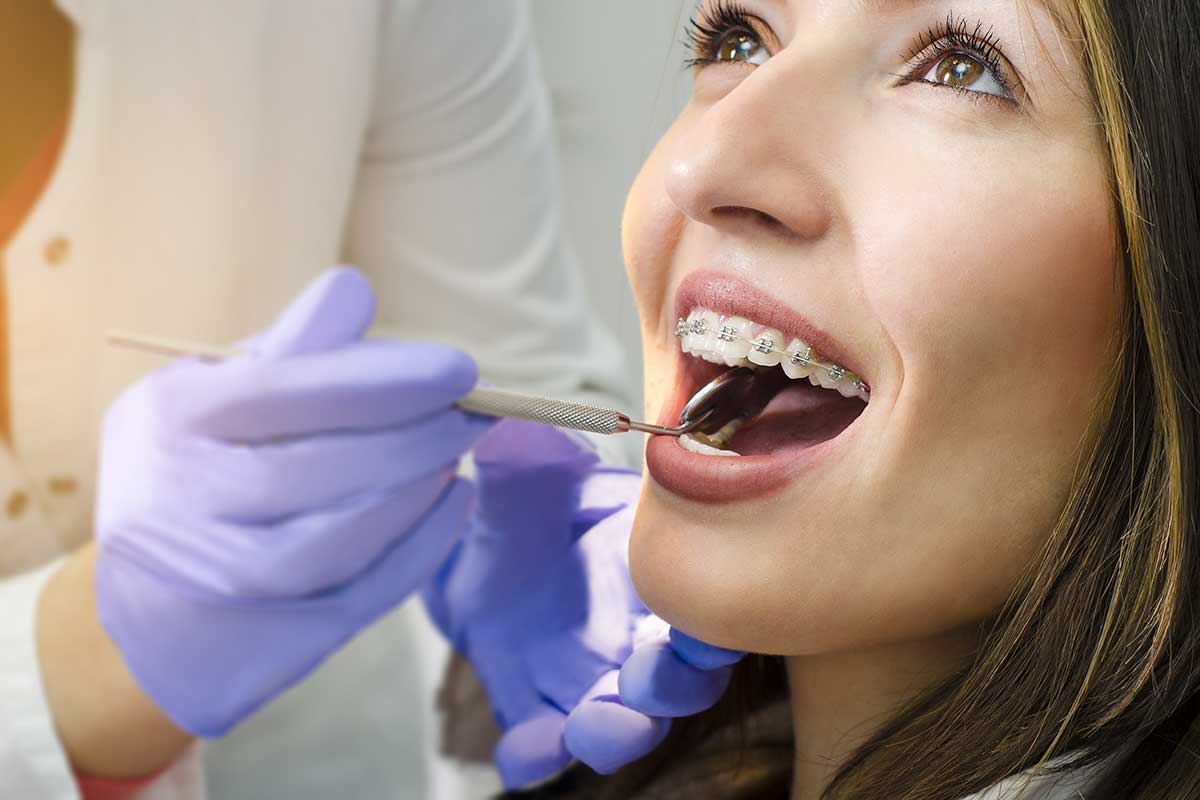
Adult orthodontic treatment is more common than many people realize. While braces are often associated with teenagers, many adults choose orthodontic care to improve the way their teeth look, how their bite functions, and how easy their teeth are to clean and maintain over time.
Modern orthodontic treatment is also more flexible than it used to be. Depending on the case, adults may have options such as traditional braces, ceramic braces, or clear aligners, which makes treatment more approachable for people who want effective care with different visibility and lifestyle considerations.
One of the most obvious reasons adults seek orthodontic treatment is to improve the appearance of crooked, crowded, or uneven teeth. A more even smile can help many people feel more confident in personal, social, and professional settings, especially if they have spent years feeling self-conscious about how their teeth look in photos or conversations.
At the same time, the benefits of straightening teeth are not only cosmetic. When teeth are severely crowded or overlap too much, they can be harder to brush and floss thoroughly. In some cases, improving alignment can make daily oral hygiene easier and support better long-term dental health.
Adult orthodontic services are often recommended for more than crooked teeth alone. Many adults also have bite issues, such as an overbite, underbite, crossbite, or open bite, that can affect how the upper and lower teeth come together. When the bite is not aligned well, certain teeth may absorb more pressure than they should.
Over time, that uneven pressure can contribute to excessive wear, minor chipping, or discomfort when chewing. Orthodontic treatment may help create a more balanced bite, which can make the teeth function more evenly and may reduce stress on certain areas of the mouth.
Teeth that are crowded, rotated, or tightly overlapped can create small areas that are difficult to reach with a toothbrush or floss. That does not mean every person with crooked teeth will develop dental problems, but it can make routine hygiene more challenging and may allow plaque to collect more easily around the gumline and between teeth.
When teeth are aligned more evenly, cleaning around them may become more manageable. For many adults, that is an important practical benefit of orthodontic care because it can support healthier gums and make everyday maintenance feel less frustrating.
| Orthodontic Concern | Possible Daily Effect | Potential Benefit of Treatment |
|---|---|---|
| Crowded teeth | Harder brushing and flossing | Cleaner access between teeth |
| Uneven bite | Chewing discomfort or pressure on certain teeth | More balanced bite function |
| Protruding or misaligned teeth | Cosmetic concerns and possible uneven wear | Improved appearance and alignment |
In some cases, orthodontic treatment helps create a better foundation for future dental care. A dentist may recommend moving teeth before cosmetic treatment, restorative work, or replacing missing teeth because alignment and spacing can affect how other procedures fit and function.
This is one reason adult orthodontics is often part of a broader oral health plan rather than an isolated cosmetic service. When teeth are positioned more favorably, it may be easier to support long-term function, stability, and appearance.
Adults often have a different dental history than younger patients. Existing fillings, crowns, gum recession, missing teeth, and habits such as clenching or grinding can all influence the way orthodontic treatment is planned. That is why an evaluation is important before choosing between braces, ceramic braces, or clear aligners.
A consultation typically includes an exam, digital imaging or X-rays, and a review of how the bite fits together. From there, a dentist or orthodontic provider can explain which type of treatment may be most appropriate and whether additional dental care should be addressed first.
Adults today often ask about less noticeable orthodontic options. Traditional metal braces remain highly effective, especially for more complex tooth movement and bite correction, while ceramic braces offer a similar approach with a more discreet appearance. Clear aligners are also a popular choice for adults who want removable trays and a lower-profile treatment experience.
The best option depends on the complexity of the case, the condition of the teeth and gums, and the type of movement needed. The goal is not simply to choose the least visible treatment, but to choose the one most likely to provide a healthy, stable result.
Adult orthodontic services can offer meaningful benefits beyond appearance alone. Improving alignment may help support a more balanced bite, make certain areas easier to clean, and create a healthier foundation for long-term dental care.
If you are considering orthodontic treatment, Lovett Dental can evaluate your teeth, bite, and overall oral health to help you better understand your options. We also offer services such as dental exams, dental cleanings, fluoride treatments, tooth extractions, and sedation dentistry. To schedule an appointment, contact Lovett Dental today at 832-804-7427.
Adult orthodontic treatment may improve smile appearance, support better bite alignment, and make some teeth easier to clean. For some patients, it also helps create better conditions for future dental treatment.
No. While appearance is one reason many adults seek treatment, orthodontic care can also address bite concerns, uneven wear, and cleaning challenges caused by crowding or poor alignment.
Many adults can, but not every case is ideal for aligners. The right option depends on the type of tooth movement needed, the bite, and the overall complexity of treatment.
It can. Straighter teeth may be easier to brush and floss in some cases, and a better-aligned bite may reduce uneven pressure on certain teeth over time.
Many adults are good candidates for orthodontic care. Eligibility depends more on the health of the teeth, gums, and supporting bone than on age alone.
Lovett, Splendid & Haven Dentistry
Dental Offices in TX