

Open ’til 7pm + Saturday
Call
832-804-7427
832-804-7427
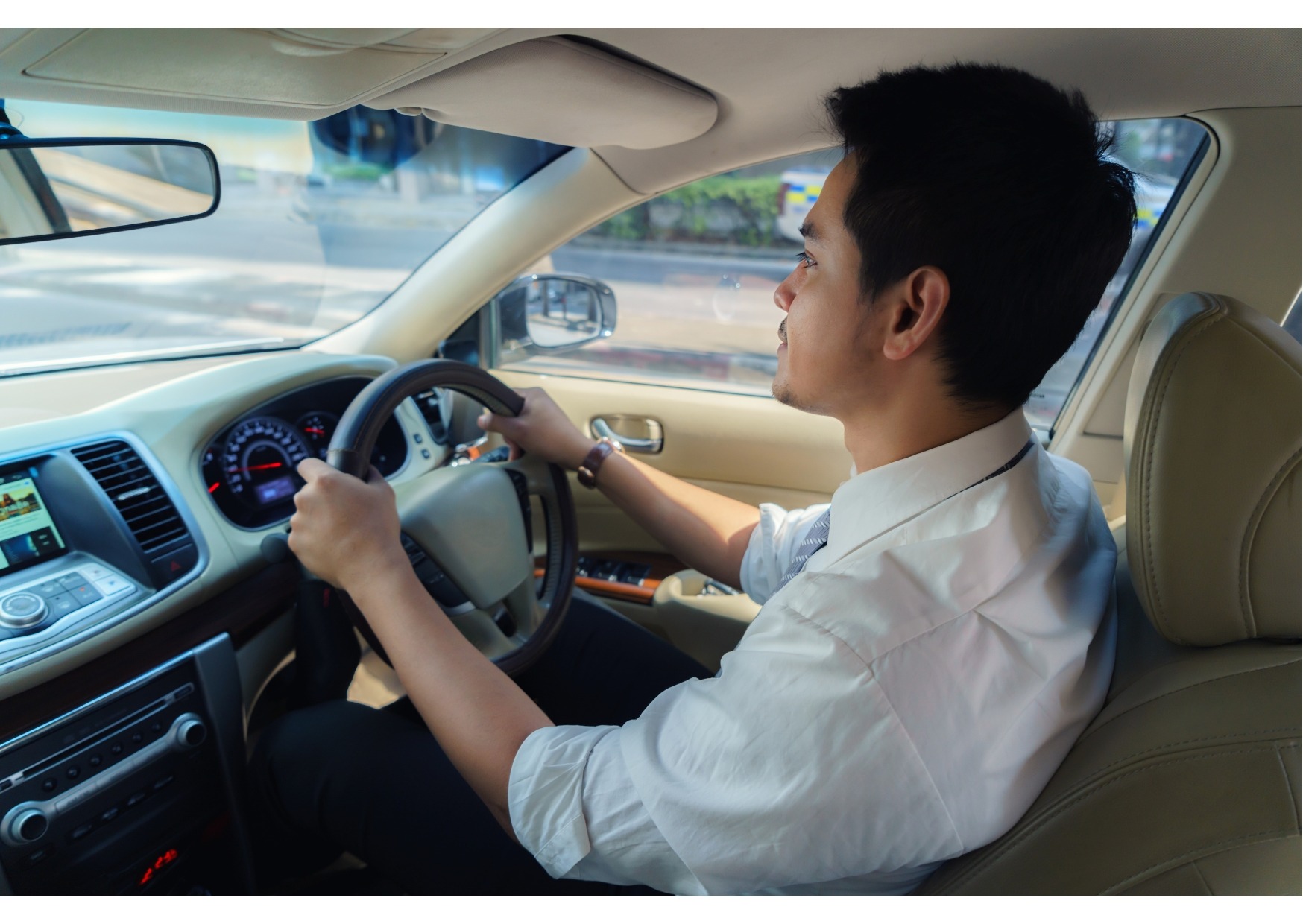
Have you ever sat in a dental chair, looked out at the parking lot afterward, and wondered whether it is actually safe to drive home? That question comes up more often than many people expect, partly because a root canal is usually much less dramatic than its reputation suggests.
Modern root canal treatment is designed to remove inflamed or infected tissue from inside a tooth, clean the space, and seal it so the tooth can often be saved. In many routine cases, patients are alert enough to return to normal daily activities soon after the visit. Still, the real answer depends less on the root canal itself and more on what happened during the appointment, how your body responds to numbness or stress, and whether any sedating medication was involved.
Dentists and endodontists, who are dentists with advanced training in root canal care, usually frame this question in practical terms. If your thinking, balance, vision, and reaction time feel normal, driving may be reasonable. If you feel sedated, dizzy, unusually tired, or distracted by pain or swelling, it is smarter to arrange a ride.
At Lovett Dental, our Houston team provides root canal treatment with a focus on patient comfort, clear communication, and personalized care. Whether you have questions about sedation, recovery, or what to expect after treatment, our team helps patients feel informed and supported throughout the process.
For many patients, the short answer is yes. If the procedure was done with local anesthetic only, meaning the tooth and surrounding area were numbed while you remained fully awake, driving home is often possible.
That said, local numbness is not the same as feeling completely unaffected. Your face, lips, or tongue may still feel heavy or strange for a few hours, and some people feel tired simply from stress, poor sleep, or sitting through a long appointment. If you do not feel fully alert and steady, do not drive.
A helpful way to think about it is this: the tooth may be numb, but the decision to drive depends on the whole person. Safe driving requires clear judgment, normal coordination, and the ability to react quickly. If any of those feel off, waiting is the safer choice.
The most important detail is whether the appointment included sedation. Many root canals are completed with local anesthetic alone. In that situation, there is often no medical reason a patient cannot drive, assuming the patient feels normal otherwise.
The answer changes if sedation dentistry was used. This may include oral anti-anxiety medication, nitrous oxide in some settings, or deeper forms of sedation. These methods can affect alertness, reflexes, memory, and judgment longer than patients expect. If you received sedating medication, you should plan for someone else to drive unless the treating office gives clear, procedure-specific instructions saying otherwise. Some dental aftercare instructions are very direct about not driving on the day of sedation.
Learn about our sedation dentistry options and the different types of sedation that may be offered so you can plan transportation ahead of time.
This is one area where dental teams are usually very direct. Patients often feel "mostly fine" before medication has fully worn off. From a safety standpoint, mostly fine is not the same as safe to operate a vehicle.
A root canal is a localized dental procedure. The dentist removes damaged or infected pulp, which is the soft tissue inside the tooth that contains nerves and blood vessels, then disinfects and seals the canal space. The treatment is focused on the tooth, not on the parts of the body that control awareness or coordination.
That is one reason the old cultural image of root canals can be misleading. The procedure often sounds more intimidating than it feels. In everyday practice, many patients leave the office able to walk, talk, and function normally, aside from temporary numbness and some expected soreness later.
Even so, there are real variables. A difficult infection, a long appointment, jaw fatigue from keeping your mouth open, or anxiety before the visit can leave you drained. Those effects are not unusual, and they matter more for driving than the root canal label itself.
There are situations where driving after a root canal is not the best idea, even if no sedating medication was used. Dizziness, shakiness, nausea, lightheadedness, blurred focus, or feeling emotionally overwhelmed can all make the trip home less safe.
Pain matters too. Mild discomfort usually does not prevent driving, but stronger pain can be distracting and exhausting. If the tooth was badly infected beforehand, or if the appointment was long and physically tiring, it may be more comfortable and safer to have someone else drive.
A practical example is the patient who skipped breakfast, rushed from work, sat through a lengthy procedure, and then stood up feeling weak. Another is the patient with a very numb lip and tongue who keeps biting the area without realizing it. Neither situation automatically means something is wrong with the treatment, but both are good reasons to avoid getting behind the wheel right away.
In the first few hours after a root canal, the most common issue is residual numbness. The cheek, lip, tongue, or gums may stay numb for a while, depending on which tooth was treated and how much local anesthetic was needed. It can take time to regain sensation, and some patients also notice pressure or tenderness once the numbness starts wearing off.
This early period is where common sense matters. Temporary numbness does not always stop you from driving, but it should make you more cautious about eating, drinking, and honestly assessing how you feel overall. Hot drinks can burn numb tissue, and chewing on the treated side too soon can be uncomfortable.
Some people also experience a delayed wave of soreness later in the day. That does not necessarily mean the root canal failed. It often reflects irritation in the tissues around the tooth, especially if the tooth was inflamed before treatment.
A root canal should not leave a patient wondering whether severe symptoms are normal. Mild to moderate soreness, tenderness when biting, and temporary jaw stiffness can happen. Symptoms that are getting worse instead of better deserve attention.
Call the dental office if there is worsening swelling, severe pain that is not improving, fever, trouble swallowing, or difficulty opening the mouth. These can suggest ongoing infection, significant inflammation, or another complication that needs review. A bite that feels very uneven is also worth reporting, because a tooth that contacts too early can become surprisingly sore.
If symptoms are sudden or severe, seek emergency dental care rather than trying to manage the situation on your own. See our dental emergency guide for more details on what to watch for and when to act.
Urgent care matters even more if swelling spreads into the face or neck, breathing feels affected, or difficulty swallowing develops. Those are not symptoms to ignore or casually monitor at home.
One reason this question does not have a one-word answer is that driving is not the same for everyone. A five-minute drive on familiar local streets is different from an hour in heavy traffic, nighttime rain, or a high-speed freeway commute.
Dental professionals often see the same pattern: the procedure may be straightforward, but the day around it is not. Patients may be dehydrated, running on little sleep, or trying to go straight back to work. In that setting, the better question is not just "can I drive?" but "am I in good enough shape to drive safely right now?"
That broader view is useful because it respects both the science and the lived experience. Dentistry is not just about teeth in isolation. It is also about how a person functions before, during, and after treatment.
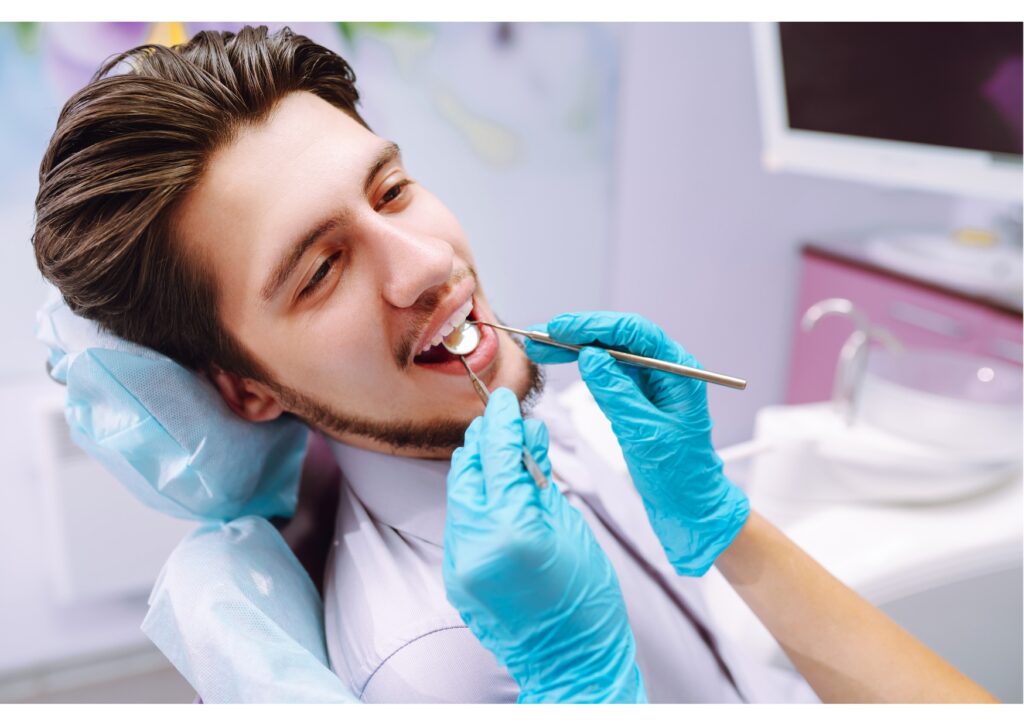
Most dental offices give guidance based on the type of anesthesia or sedation used and on how the patient feels at discharge. If only local anesthetic was used, patients are often told they may drive if they feel normal and confident doing so.
If sedation was part of the visit, offices typically recommend arranging transportation in advance. That advice is not excessive. It reflects how much recovery can vary from one person to the next, even when the same medication is used.
In situations like this, conservative judgment makes sense. Missing one drive home is inconvenient. Driving while impaired, distracted by pain, or not fully alert carries a much higher risk.
So, can you drive after a root canal? In many routine cases, yes, especially if the procedure was done with local anesthetic only and there is no dizziness, heavy fatigue, or sedating medication in your system.
But that answer has important limits. If sedation was used, if your body feels unsteady, or if pain and swelling are significant, it is better not to drive. The safest decision is the one based on your actual alertness and function, not on the assumption that every dental procedure has the same recovery.
If there is any uncertainty, the dental office that performed the treatment is the right place to ask. General information can help frame the issue, but the treating team knows the details of the procedure, the medications used, and any factors that may change the advice.
Need follow-up or thinking about root canal treatment? Our Houston dentists are here to answer questions and help arrange care, including timely visits for patients from Beaumont or Cinco Ranch.
If you are experiencing tooth pain, sensitivity, or signs of infection, our team at Lovett Dental is here to help with compassionate, patient-focused root canal care. Our Houston dentists provide thorough evaluations, sedation options, and timely treatment to help protect your oral health and restore comfort. Call +1 832-804-7427 today to schedule an appointment with our Houston, TX dental team.
Usually, yes. If only local anesthetic was used and you feel fully alert, steady, and able to react normally, driving is often fine.
You should follow the dental office's instructions. Sedation can affect judgment and reaction time, so many patients should arrange a ride instead of driving.
Numbness often lasts for a few hours, but timing varies by the type of anesthetic used and the area treated. Persistent or unusual numbness should be discussed with the dentist.
Some soreness or tenderness is common as the numbness wears off. If pain is severe, worsening, or paired with swelling or fever, contact the dental office.
Many patients do, especially after treatment with local anesthetic only. The better guide is how you feel, what kind of work you do, and whether sedation or significant discomfort is involved.
Lovett, Splendid & Haven Dentistry
Dental Offices in TX