

Open ’til 7pm + Saturday
Call
832-804-7427
832-804-7427
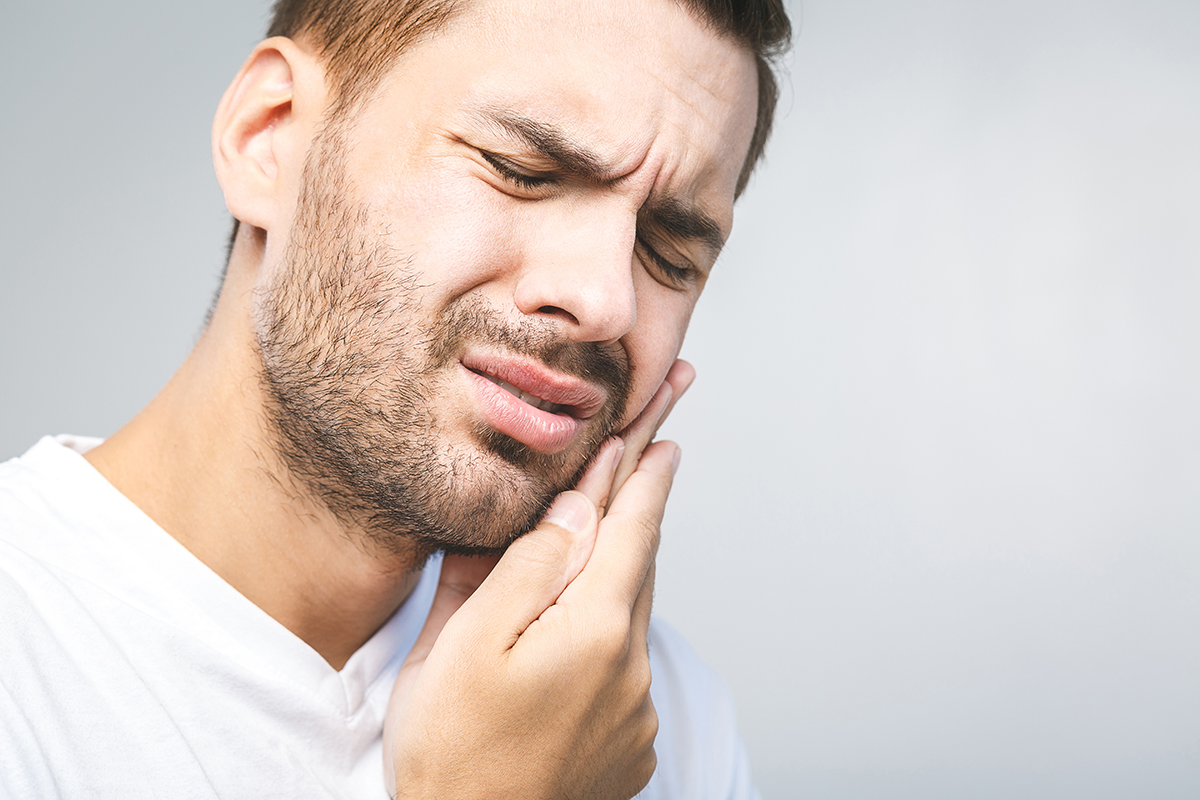
Home care can ease some dental symptoms while you arrange an exam, but it cannot repair a cavity, treat an infection, or replace professional care. For tooth pain, rinse gently with warm water, clean carefully between the teeth, and avoid chewing on the painful side. Persistent, worsening, or unexplained symptoms need a dentist's evaluation.
Food caught between teeth can cause discomfort, so gently floss around the sore area. A cold compress against the outside of the cheek may help with swelling after an injury. Do not place aspirin, crushed garlic, clove oil, or other substances directly on the tooth or gums; they can irritate tissue and will not treat the cause.
Rinsing with warm water can clear loose food. If you normally use an over-the-counter pain reliever, follow its label and ask a pharmacist or clinician when a medicine may be unsafe for you. Avoid placing tablets against the gum or trying to drain a swollen area yourself.
Tooth pain has many possible causes, including decay, a cracked tooth, exposed dentin, and gum problems. Note whether it happens only with cold or sweets, when you bite, or without any trigger, and tell the dentist. Those details can make an examination more useful than trying a succession of home remedies.
If pain is severe, swelling is increasing, or you have fever or drainage, seek prompt emergency dental care. Facial swelling with trouble breathing or swallowing requires emergency medical care.
Brush the teeth and tongue, clean between teeth daily, and drink water regularly. Persistent bad breath can be linked to gum disease, decay, dry mouth, or other health issues, so masking it with mints may delay an answer. A dental exam can help identify the source.
Dry mouth can make breath worse because saliva helps clear food and bacteria. Notice whether the problem is worse on waking, after a new medication, or with mouth breathing, and mention it at your visit. Sugar-free gum may help some people feel less dry, but it will not treat decay or periodontal disease.
Tooth color varies naturally, and yellowing does not always mean poor hygiene. Surface stains may improve with a professional cleaning or a suitable whitening product. Do not scrub teeth with lemon, vinegar, or other acids; prolonged acid contact can wear enamel and increase sensitivity.
Ask about professional teeth whitening if appearance is your main concern. A dentist can check whether discoloration comes from stains, enamel changes, or a problem within one tooth.
A single tooth that becomes darker than its neighbors deserves an exam rather than a home whitening experiment. Whitening products do not work the same way on crowns, fillings, and natural teeth, so discuss existing dental work before choosing a shade or product.
Avoid foods that sting, such as spicy or acidic items, and keep the mouth clean with gentle brushing. Do not apply harsh home substances to an ulcer. A sore that lasts more than two weeks, grows, repeatedly returns, or makes eating difficult should be examined.
A small mouth sore can arise after accidental biting, irritation from a sharp edge, or other causes. Cool water and softer foods may be more comfortable while it heals. If the sore is accompanied by fever, spreading swelling, or trouble swallowing, seek prompt care instead of waiting two weeks.
These steps are temporary comfort measures, not cures for dental disease. For a diagnosis and treatment plan, contact Lovett Dental or call 832-804-7427.
No. An infection needs professional evaluation and treatment; home measures may only reduce discomfort temporarily.
No. Vinegar is acidic and can wear enamel, especially when kept on or rubbed against teeth.
Lovett, Splendid & Haven Dentistry
Dental Offices in TX