New
Special Offers For: Pediatric Children's Dentistry + Braces for All Ages. Limited Time Offer

Open ’til 7pm + Saturday
Call Us
832-804-7427
832-804-7427
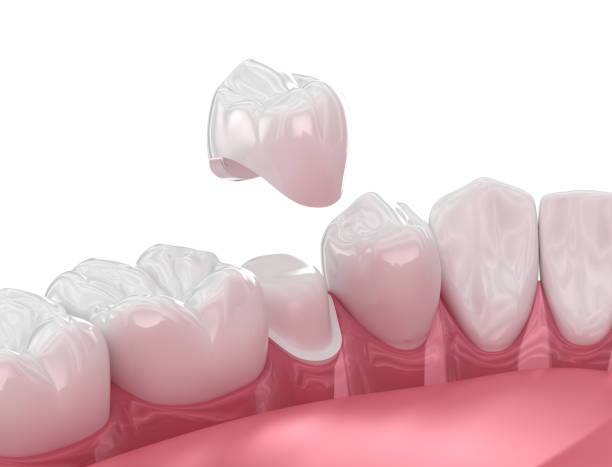
A dental bridge is a common fixed option for replacing one missing tooth or several missing teeth in a row. It fills the space with an artificial tooth, called a pontic, that is supported by nearby teeth, dental implants, or a bonded framework depending on the design.
For many patients, the main questions are practical ones. They want to understand how a bridge works, what types are available, what recovery is like, how long a bridge may last, and how it compares with a dental implant. This guide keeps the focus on those informational topics so readers can better understand what to discuss during a dental evaluation.
A dental bridge is a restoration used to replace a gap created by missing teeth. Unlike a removable denture, a bridge is fixed in place and is designed to function more like natural teeth during everyday activities such as chewing and speaking.
Replacing a missing tooth is not only about appearance. Over time, a gap can affect how the bite fits together, allow neighboring teeth to drift, and make chewing less efficient. In some cases, missing teeth may also change speech patterns or place extra pressure on surrounding teeth.
When a tooth is missing, the effects can go beyond the visible space in the smile. Some patients notice uneven chewing, food trapping, or a sense that the bite no longer feels balanced. Others may become more aware of the gap when speaking or smiling.
A bridge may help restore function and improve stability across that area of the mouth. Whether it is the right option depends on factors such as the location of the missing tooth, the condition of the neighboring teeth, gum health, and the patient’s long-term goals.
There is more than one kind of dental bridge, and each type is used in different clinical situations. The best design depends on where the missing tooth is located, how much support is available, and how much force the area handles during chewing.
| Type of Bridge | How It Is Supported | When It May Be Used |
|---|---|---|
| Traditional Bridge | By crowns placed on teeth on both sides of the gap | When healthy support teeth are present on both sides |
| Cantilever Bridge | By one supporting tooth on only one side | In select situations where only one adjacent tooth is available |
| Maryland Bridge | By bonded wings attached to the back of nearby teeth | Often for carefully selected cases, usually where a more conservative approach is preferred |
| Implant-Supported Bridge | By dental implants rather than natural teeth | When multiple teeth are missing together or stronger independent support is needed |
A traditional bridge is the most common type. It usually uses crowns placed over the teeth on either side of the gap, with the replacement tooth attached between them.
This design can work well when the neighboring teeth are strong enough to support the bridge. Because those teeth usually need to be shaped for crowns, the decision often depends on their current condition and whether they already need restorative work.
A cantilever bridge is supported on only one side of the missing tooth. It is used less often because a one-sided design can place more force on the supporting tooth.
For that reason, it is usually considered only in selected cases. Whether it is appropriate depends on bite forces, tooth position, and the overall health of the supporting tooth.
A Maryland bridge uses a framework or metal- or ceramic-backed wings that bond to the back of the neighboring teeth. This can make it a more conservative option because it may require less reshaping of the adjacent teeth than a traditional bridge.
That said, it is not ideal for every area of the mouth. The bite, location of the missing tooth, and risk of debonding all matter when deciding whether this design makes sense.
An implant-supported bridge attaches to dental implants instead of relying on natural teeth for support. This option is often considered when several teeth are missing in a row and added stability is important.
Because it involves implant placement and healing, treatment usually takes longer than a traditional bridge. However, it may help preserve bone in the area and avoid placing extra load on neighboring natural teeth.
The exact process depends on the kind of bridge being placed, but the procedure generally follows a similar pattern. The first step is a dental exam, which may include X-rays, photographs, or digital scans to evaluate the missing-tooth space and the surrounding teeth and gums.
If a traditional bridge is planned, the supporting teeth are usually prepared so crowns can fit over them. Impressions or digital scans are then taken so the bridge can be designed to match the shape of the bite and blend with the surrounding teeth.
In many cases, a temporary restoration is worn while the final bridge is being made. Once the final bridge is ready, the dentist checks its fit, bite, and appearance before securing it in place.
If the bridge is implant-supported, the process is usually longer. Implant placement is followed by a healing phase before the final restoration can be attached, so treatment is completed in stages rather than in a single short sequence of visits.
Not every missing-tooth case is treated the same way. Dentists look at the health of the nearby teeth, the condition of the gums, how much support is available in the jaw, and whether the bite places heavy pressure on that part of the mouth.
The number of missing teeth also matters. A single missing tooth may be managed differently from several missing teeth in a row, and the front of the mouth may present different cosmetic and functional concerns than the back.
| Factor | Why It Matters |
|---|---|
| Condition of neighboring teeth | These teeth may need to support the bridge or be preserved for other options |
| Gum health | Healthy gums help support long-term stability |
| Bite forces | Heavy grinding or clenching may affect durability |
| Bone support | Important when considering implants as an alternative |
| Location of the missing tooth | Front and back teeth often have different esthetic and functional demands |
Recovery after a dental bridge is usually manageable, especially for a traditional bridge. Some people notice mild gum soreness, temperature sensitivity, or a different bite sensation for a short time after tooth preparation or bridge placement.
It can take a little time for the mouth to adjust to how the restoration feels. Chewing may feel slightly different at first, and some patients prefer softer foods during the adjustment period while the bite settles and the tissues feel less irritated.
Implant-supported bridges usually involve a longer recovery process because the implants need time to heal before the bridge is attached. In those cases, the overall timeline is shaped not only by the final restoration but also by how the bone and gums heal around the implants.
A dental bridge can last many years, but there is no single lifespan that applies to every patient. Durability depends on the type of bridge, the materials used, the health of the supporting teeth or implants, oral hygiene habits, and the amount of bite pressure the area receives.
Many bridges last around 10 to 15 years, and some remain functional even longer. Regular dental exams are important because dentists can look for wear, changes in the bite, gum inflammation, or decay around supporting teeth before small problems become larger ones.
The cost of a dental bridge can vary significantly from one case to another. The final amount depends on both the restoration itself and the condition of the surrounding teeth and gums.
In general, a traditional bridge may have a lower upfront cost than an implant-supported restoration. Even so, the most appropriate option is not always the one with the lowest initial fee, since long-term maintenance, durability, and the condition of nearby teeth also matter.
Patients often compare a bridge with a dental implant because both can replace missing teeth, but they work in different ways. A bridge spans the gap and uses nearby support, while an implant replaces the root structure in the jaw and supports a crown or bridge from below.
| Feature | Dental Bridge | Dental Implant |
|---|---|---|
| Support | Uses nearby teeth or implants | Anchored directly in the jawbone |
| Treatment timeline | Often shorter for traditional bridges | Usually longer because healing is required |
| Effect on nearby teeth | May involve preparing adjacent teeth | Does not rely on adjacent natural teeth |
| Bone preservation | Does not replace the tooth root | May help preserve bone in the area over time |
| Surgical procedure | Not always required | Typically requires surgery |
Neither option is automatically better for every patient. The decision often comes down to bone support, the condition of the neighboring teeth, overall oral health, treatment timeline, and budget.
A dental bridge may be an option for someone who is missing one tooth or several teeth in a row and has suitable support from nearby teeth or implants. The gums and surrounding tissues also need to be healthy enough to support long-term function.
Patients with untreated gum disease, extensive decay in neighboring teeth, or heavy bite forces may need other issues addressed before a bridge is considered. That is why a personalized exam matters more than general descriptions found online.
Dental bridges remain one of the most widely used fixed options for replacing missing teeth. They can restore chewing function, support a more balanced bite, and improve the appearance of the smile while offering an alternative to removable appliances.
For patients comparing procedure steps, cost, recovery, bridge types, and bridge vs implant differences, a dental consultation is the best way to understand which option fits their specific needs. The most appropriate treatment depends on the condition of the surrounding teeth and gums as much as the gap itself.
A dental bridge is a fixed restoration used to replace one missing tooth or several missing teeth in a row. It fills the gap with an artificial tooth supported by nearby teeth, implants, or a bonded framework depending on the design.
The main types are traditional bridges, cantilever bridges, Maryland bridges, and implant-supported bridges. Each is used in different situations depending on support, location in the mouth, and treatment goals.
Many dental bridges last around 10 to 15 years, and some may last longer. Longevity depends on oral hygiene, bite forces, the bridge design, and the health of the supporting teeth or implants.
The cost depends on the type of bridge, the number of teeth being replaced, the materials used, whether implants are involved, and insurance coverage. A dentist can provide a more accurate estimate after an exam.
Most patients tolerate bridge treatment well. Some temporary soreness, tooth sensitivity, or bite awareness can happen after preparation or placement, but this is usually manageable and improves as the mouth adjusts.
A bridge spans the gap and relies on nearby support, while an implant replaces the tooth root and supports the restoration independently. The best choice depends on bone support, neighboring teeth, timeline, and long-term treatment goals.
Many people begin with softer foods while adjusting to the bridge. Very hard, sticky, or chewy foods may feel less comfortable at first, especially soon after placement.
Lovett, Splendid & Haven Dentistry
Dental Offices in TX