

Open ’til 7pm + Saturday
Call
832-804-7427
832-804-7427
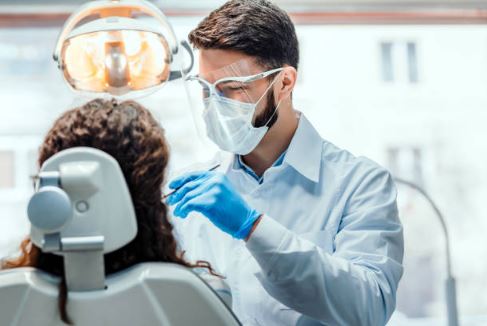
Good brushing and flossing habits do a lot to protect your teeth and gums, but they do not remove everything. Over time, plaque can collect in hard-to-reach areas and harden into tartar, which cannot be removed with a toothbrush alone.
That is one of the main reasons regular dental cleanings remain such an important part of preventive care. These visits help reduce buildup, support gum health, and give your dental team a chance to spot small concerns before they become larger and more expensive problems.
A professional dental cleaning is designed to remove plaque, tartar, and some surface stains from the teeth. It also helps reduce the bacterial buildup that can contribute to cavities, gum irritation, and persistent bad breath.
Many people think of dental cleanings as mainly cosmetic, but they serve a much bigger purpose than making teeth feel smooth. Regular cleanings support the health of the gums, lower the risk of periodontal disease, and help maintain a healthier environment throughout the mouth.
| At-home oral care | Professional dental cleaning |
|---|---|
| Removes soft plaque from accessible tooth surfaces | Removes hardened tartar and deeper buildup |
| Helps control daily bacteria between visits | Targets buildup in areas that are harder to clean thoroughly at home |
| Supports fresher breath and cleaner teeth day to day | Helps reduce stain buildup and supports long-term gum health |
| Essential daily habit | Essential preventive care performed at regular intervals |
Plaque is a sticky film of bacteria that constantly forms on the teeth. If it is not removed regularly, it can irritate the gums and increase the risk of tooth decay. Once plaque hardens into tartar, it becomes much more difficult to remove without professional instruments.
Tartar tends to collect along the gumline and between teeth, where it can contribute to inflammation. Over time, that irritation may lead to gingivitis, which is the earliest stage of gum disease, and in some cases it can progress to more serious periodontal problems that affect the tissues supporting the teeth.
Routine dental cleanings offer more than one benefit, and many of them are connected. A cleaner mouth is not just more comfortable day to day. It can also make it easier to maintain good oral hygiene between visits.
When gums are irritated by plaque and tartar, they may become red, swollen, or prone to bleeding during brushing or flossing. These symptoms are often early warning signs that the tissues around the teeth are under stress.
Professional cleanings help remove the local causes of irritation and can improve the environment around the gumline. For many patients, staying consistent with preventive visits plays an important role in reducing the risk of gum disease becoming more advanced.
Many patients are advised to have a professional dental cleaning every six months, but that is not a fixed rule for everyone. The right interval depends on your oral health history, how quickly plaque and tartar build up, and whether you have risk factors that make gum disease or cavities more likely.
Some people may benefit from more frequent cleanings, especially if they have ongoing gum inflammation, heavy tartar buildup, dry mouth, frequent decay, or certain health conditions that can affect oral health. A dentist or hygienist will usually recommend a schedule based on what they see during your exam.
| Patient situation | Why cleanings may matter more |
|---|---|
| Frequent tartar buildup | Buildup returns quickly and may be difficult to manage with home care alone |
| History of gum disease | Closer monitoring and more frequent maintenance may help control inflammation |
| Frequent cavities | Regular visits may help catch changes earlier and support preventive care |
| Dry mouth | Lower saliva flow can increase the risk of decay and plaque accumulation |
| Orthodontic appliances, bridges, or crowns | Some restorations and appliances create areas that are harder to clean thoroughly |
A routine dental cleaning usually begins with an examination of the teeth and gums. In many offices, the hygienist and dentist work together to identify buildup, gum inflammation, or other changes that may need attention.
The cleaning itself often includes removing plaque and tartar, cleaning near the gumline, and polishing the teeth to remove some surface stains and smooth the surfaces. Depending on the visit and your needs, the appointment may also include X-rays or a more complete dental exam.
Most routine dental cleaning visits take about 30 to 60 minutes. The exact time depends on how much buildup is present, whether you are also having an exam, and whether additional imaging or periodontal measurements are needed.
If it has been a long time since your last cleaning, the appointment may take longer. Some patients also need a different kind of periodontal care when there are signs of more advanced gum disease, and that is usually discussed separately after an evaluation.
It can. Missing cleanings does not always cause immediate pain or obvious symptoms, which is part of why dental disease can progress quietly. Plaque and tartar may continue to build over time, while small cavities or early gum disease remain easy to overlook at home.
When preventive visits are delayed for too long, patients may be more likely to need more involved treatment later. That does not mean every missed cleaning leads to major problems, but regular professional care gives you a better chance of catching issues early, when they are typically easier to manage.
Preventive dentistry is about consistency rather than perfection. Regular cleanings, daily brushing, flossing, and routine exams work together to help preserve the teeth and gums over time.
These appointments also create a record of changes in your oral health. That matters because gum recession, worn enamel, tooth decay, and soft tissue concerns are often easier to evaluate when your dental team sees you regularly instead of only when something starts to hurt.
For most patients, yes. A routine dental cleaning is one of the simplest ways to support healthier teeth and gums, reduce bacterial buildup, and stay ahead of problems that may otherwise go unnoticed.
Even patients with excellent home care can benefit from professional cleanings because tartar removal and preventive evaluation are not things that can be fully duplicated at home. In that sense, regular cleanings are not just maintenance visits. They are part of protecting your long-term oral health.
It is easy for routine dental care to slip when life gets busy, especially when nothing feels obviously wrong. But preventive visits are often most valuable before symptoms become noticeable, not after.
Staying on schedule with cleanings can help you maintain fresher breath, healthier gums, and a lower risk of avoidable dental problems. It also gives your provider the opportunity to monitor changes over time and recommend the right next steps if anything needs closer attention.
Many people benefit from cleanings every six months, but some patients may need them more often depending on gum health, tartar buildup, or cavity risk. Your dentist will usually recommend a schedule based on your oral health needs.
Most routine cleanings are well tolerated and do not cause significant pain. Some patients with sensitive teeth, inflamed gums, or heavier buildup may notice mild discomfort, but the experience is usually manageable and brief.
Yes. One of the main purposes of a professional dental cleaning is to remove tartar, which is hardened plaque that cannot be brushed or flossed away at home.
A cleaning can remove some surface stains and make teeth look brighter, but it is not the same as a whitening treatment. It improves cleanliness and appearance, but it does not change the natural internal color of the teeth.
Daily home care is essential, but it does not remove tartar once it forms. Professional cleanings also help identify early dental or gum problems that may not be visible or noticeable at home.
Over time, plaque and tartar can build up and increase the risk of cavities, gum disease, bad breath, and more complex dental needs. Some problems may progress quietly, which is why preventive visits are valuable even when there is no pain.
In many dental offices, yes. A routine visit often includes both the cleaning and an exam so the dentist can evaluate the teeth, gums, and surrounding tissues.
A routine cleaning usually takes about 30 to 60 minutes. The timing may vary depending on the amount of buildup present and whether X-rays or a more detailed evaluation are needed.
Lovett, Splendid & Haven Dentistry
Dental Offices in TX