

Open ’til 7pm + Saturday
Call
832-804-7427
832-804-7427
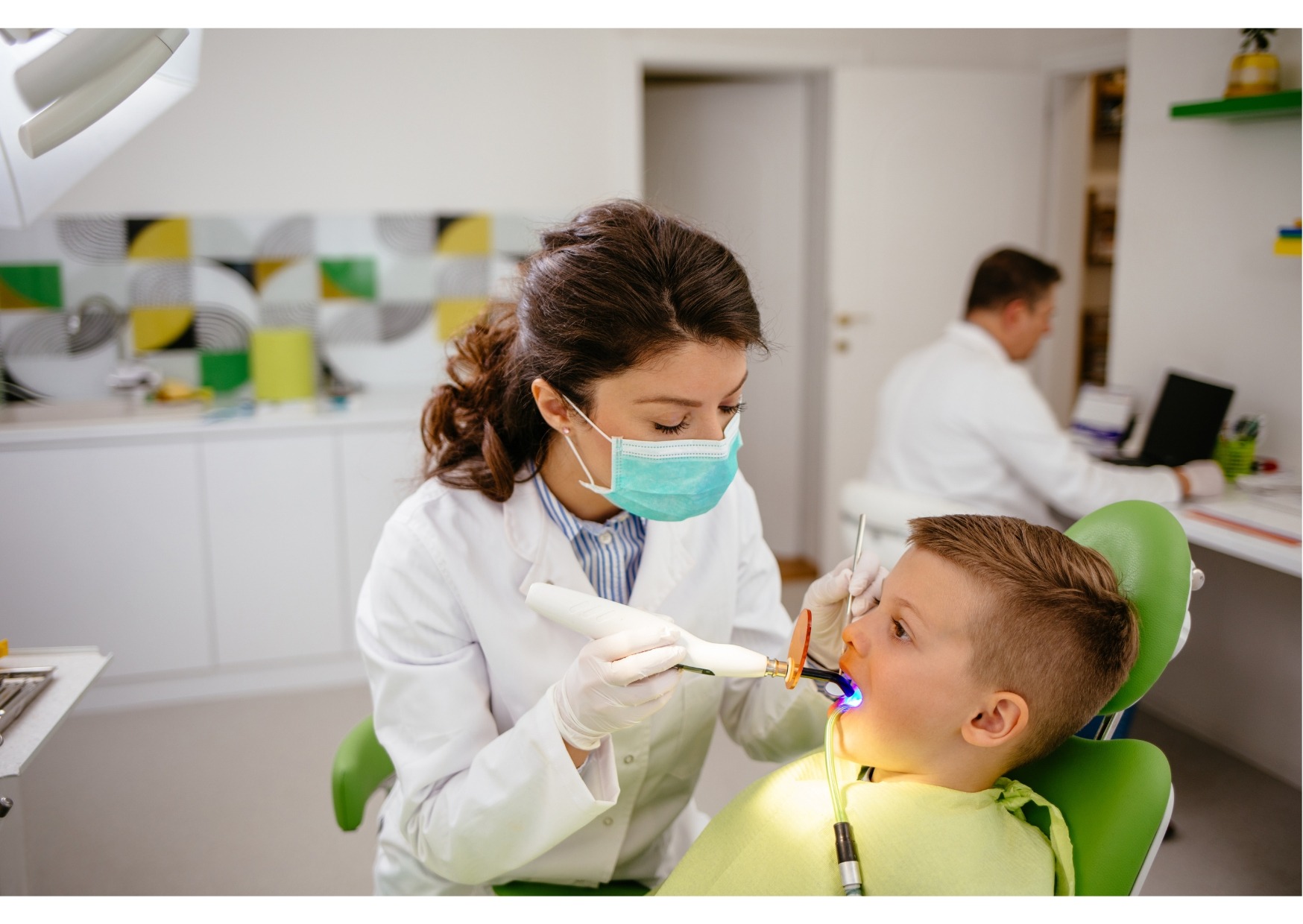
Why do some children brush every day and still end up with cavities in their back teeth? One reason is anatomy. The chewing surfaces of molars often have tiny pits and grooves that are much deeper than they look, and those narrow spaces can trap plaque, food debris, and cavity-causing bacteria.
That is where dental sealants for kids can make a real difference. A sealant is a thin protective coating placed over the grooves of a tooth, usually a permanent molar, to create a smoother surface that is easier to keep clean. It does not replace brushing, flossing, fluoride, or regular checkups, but it can lower the chance that decay starts in one of the most vulnerable areas of the mouth. Preventive care is multifaceted for broader strategies to prevent tooth decay, see our preventive care guide.
Dentists have recommended sealants for decades, and the reason is practical rather than trendy. Cavities in children often begin in the pits and fissures of molars, not on the flatter, easier-to-clean parts of the teeth. In everyday terms, that means a child may be doing many things right and still need extra protection where toothbrush bristles simply do not reach well.
At Lovett Dental, families in Houston can learn more about dental sealants and fillings for kids as part of a preventive approach to protecting developing smiles. Our team works with children of different ages and cavity risk levels to help parents understand when sealants may be appropriate and what to expect during the process.
A dental sealant is usually made from a tooth-colored resin material. The dentist cleans and dries the tooth, prepares the enamel surface so the material can bond, and then paints the sealant into the grooves. Once hardened, the coating acts like a shield over the areas where decay often begins.
The idea is simple. Bacteria need a place to stick and feed on sugars. When a groove is deep and narrow, it can become a protected hiding place. By sealing that space, the tooth becomes less hospitable to plaque buildup and easier to brush effectively.
This is preventive care, not treatment for a large existing cavity. In some cases, a dentist may place a sealant over a very early non-cavitated area of concern, but that decision depends on the tooth, the child’s cavity risk, and the clinical exam. If there is already a clear cavity or structural breakdown, a filling may be more appropriate.
The most common time to place sealants is soon after the permanent molars come in. The first permanent molars usually erupt around age 6, and the second permanent molars often appear around age 12. Those early months matter because a newly erupted molar is exposed to the mouth before it has had years of wear, and it may be harder for a child to clean thoroughly. If you're unsure about timing or what to expect at visits, read more about your child's child's first dental visit.
Some children may also benefit from sealants on premolars or even certain baby teeth if the grooves are deep and cavity risk is high. That is not automatic for every child, but it is a reasonable discussion when there is a history of decay, enamel weakness, frequent snacking on sugary foods, or challenges with brushing quality.
A good rule of thumb is this: if a back tooth has erupted enough to be kept dry during placement and the groove pattern looks retentive, a dentist may consider sealing it. Timing matters because sealants work best before decay has a chance to become established. Current clinical recommendations also support placing sealants based on cavity risk and tooth anatomy, not age alone.
For most children, the appointment is straightforward. The tooth is cleaned, isolated from saliva, and dried. A conditioning solution is applied briefly to help the sealant bond to the enamel, then the liquid sealant is painted onto the chewing surface and hardened with a curing light.
In a typical preventive visit, sealant placement is painless and usually does not require drilling. That often surprises parents who expect something more involved. The process is quick, but technique still matters. A dry field and good bonding are important because moisture contamination can shorten how long the sealant lasts.
After placement, the dentist checks the bite to make sure the coating feels natural when the child closes down. Most children can return to normal activities right away.
If you prefer child-centered care or have questions about behavior management during treatment, ask about our pediatric dentistry team, who focus on age-appropriate approaches and helping children feel comfortable. If you want to understand that specialty better, learn what a pediatric dentist does. We also offer practical tips to reduce child anxiety at the dentist for nervous children.
Sealants are one of the clearest success stories in preventive dentistry. Their benefit is strongest on the chewing surfaces of molars, which are common sites for childhood decay. They are not a guarantee against cavities, but they can meaningfully reduce decay when used on the right teeth and monitored over time.
Real-world results depend on retention. A sealant that stays well bonded continues to protect the grooves underneath. A sealant that chips, wears down, or partially detaches may need repair or replacement. That is why dentists check them during routine exams.
It is also important to keep expectations realistic. Sealants protect selected surfaces, not the entire tooth and not the spaces between teeth. A child can still develop decay elsewhere if diet, hygiene, saliva, or fluoride exposure are working against the enamel.
For most children, sealants are considered safe and are used routinely in pediatric and general dental practices. Questions often come up about the materials, especially with resin-based products. That is understandable. Parents should feel comfortable asking what material is being used, how it bonds to the tooth, and whether there are alternatives if there is a specific concern.
From a clinical perspective, the larger risk for many children is untreated decay, not the preventive coating itself. Cavities can lead to pain, infection, missed school, eating difficulties, and more invasive treatment later. In that context, a well-placed sealant is often a conservative step.
If a child has a history of material sensitivities or unusual reactions in medical settings, mention that before treatment. The dentist can review the record and explain the most appropriate options.
Some children are especially strong candidates for sealants. That includes those with a history of cavities, visible deep pits and fissures in molars, orthodontic appliances that make cleaning harder, enamel defects, or eating patterns that expose teeth to frequent sugars or starches.
Even children with good home care may benefit. This is an important point because parents sometimes hear a sealant recommendation and assume it means brushing is not going well. Often, it simply means the dentist sees a tooth shape that is naturally harder to protect.
In practice, sealant decisions are usually based on a pattern rather than one single factor. The dentist looks at eruption stage, groove anatomy, previous decay, fluoride exposure, and how likely the tooth is to stay healthy without added protection.
Sealants often last several years, but they are not permanent. Chewing forces, grinding habits, and the original bond quality all affect longevity. Some remain intact for a long time. Others need touch-ups sooner.
The most common issue is partial loss. This may not cause pain, so parents usually do not notice it at home. That is one reason regular dental exams matter. A dentist can see whether the grooves are still fully covered and whether the sealant margins look secure.
A failed sealant is not usually an emergency, but it should not be ignored indefinitely. If protection is lost and the groove remains decay-prone, the tooth may become vulnerable again. In most cases, repair or replacement is simple if caught early.
These terms are often grouped together, but they do different jobs. Fluoride strengthens enamel and can help reduce the risk of decay across many tooth surfaces. Sealants physically cover susceptible grooves. Fillings are used after a cavity has formed and damaged tooth structure.
That difference matters because prevention is usually simpler and less costly than repair. A child may need fluoride and sealants together, especially during the cavity-prone school-age years. If decay is already present, however, a sealants & fillings option may be recommended to restore the tooth and prevent further damage. To understand restoration choices, see our information on tooth colored fillings.
A useful way to think about it is this: fluoride changes the tooth’s resistance, sealants change the tooth’s surface anatomy, and fillings rebuild a tooth after disease has already caused damage.
Usually not. Placement is generally quick and comfortable, especially when the tooth is healthy and visible enough to isolate properly.
Often yes. In fact, a history of cavities may make sealants even more valuable because it suggests the child has a higher future risk pattern.
Yes, it can happen. A cavity may form on an unsealed part of the tooth, between teeth, or under a sealant that has failed or leaked. That is why checkups remain important.
Many dental plans cover sealants for children on eligible teeth, especially permanent molars, but benefits vary. A dental office can usually help verify this before treatment.
If your child is due for a checkup or you notice deep grooves on a newly erupted molar, our Lovett Dental Houston team can help. Learn more about sealants & fillings and ask about same-day appointments for families coming from Conroe or Beaumont.
Sealants are preventive, so they are usually discussed at routine visits. But some symptoms should prompt earlier evaluation. Tooth pain, swelling, a visible hole, a gum boil, fever, or pain with chewing may signal active decay, infection, or another problem that needs diagnosis.
Sensitivity to cold or sweets can have several causes and does not always mean a cavity, but persistent symptoms deserve attention. A child who avoids chewing on one side, wakes at night with dental pain, or develops facial swelling should be assessed promptly.
If a sealed tooth starts hurting, do not assume the sealant caused the problem. The timing may be unrelated, and the tooth may need an exam and possibly X-rays to identify the source.
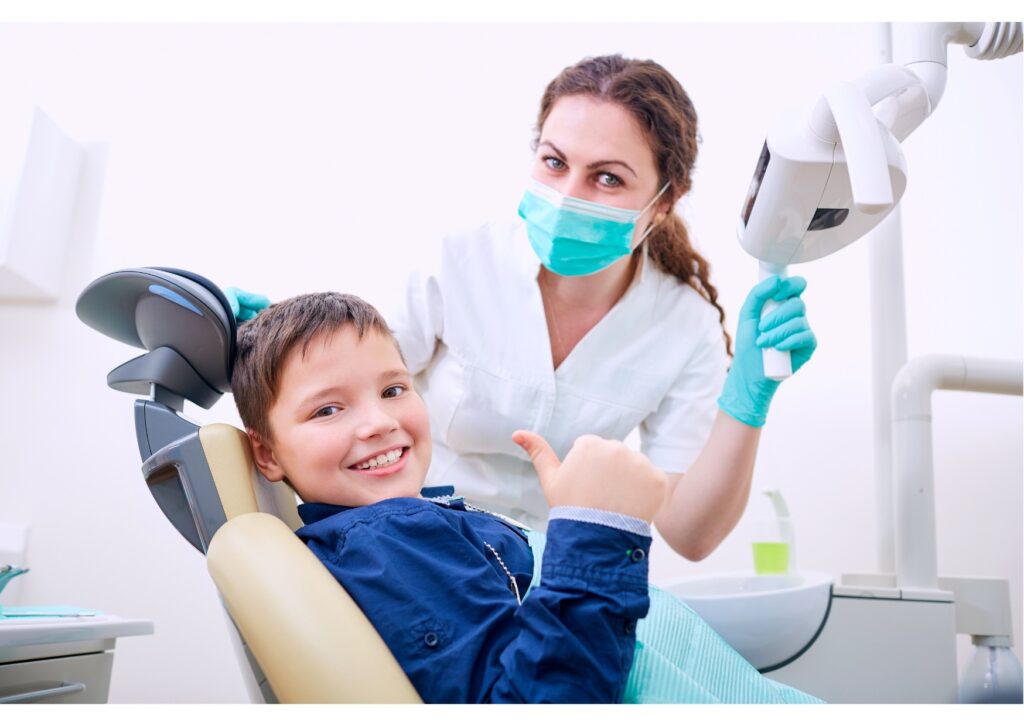
The most effective cavity prevention is layered. Sealants protect vulnerable grooves, but they work best alongside fluoride toothpaste, regular brushing, flossing where teeth touch, sensible snack patterns, and routine dental visits.
Diet deserves more attention than it often gets. Frequent sipping of sweet drinks or repeated snacking on sticky carbohydrates can keep the mouth in a prolonged acid cycle. In many families, the issue is not only how much sugar a child eats, but how often the teeth are exposed during the day.
Sealants are one of the most practical examples of modern preventive dentistry. They are targeted, conservative, and based on how cavities often begin in children. They are not glamorous, but they are effective, and practical care often matters most.
Protect your child’s smile before cavities have a chance to develop. Our team at Lovett Dental provides dental sealants for kids, preventive care, and family dentistry services in Houston, TX. Call (832) 804-7427 today to schedule an appointment and learn how early protection can support your child’s long-term oral health.
Many children get sealants when the first permanent molars come in around age 6 and again when the second permanent molars erupt around age 12. The exact timing depends on when the teeth appear and whether they can be kept dry during placement.
Sometimes. If a baby molar has deep grooves and the child has a higher cavity risk, a dentist may recommend a sealant, though this is more selective than with permanent molars.
They may last for several years, but they should be checked at regular dental visits because they can wear down or partially detach.
No. Sealants protect specific grooves on certain teeth, while brushing and fluoride help protect the whole mouth.
Often yes. Sealants are most useful before decay starts, especially on newly erupted molars with deep pits and fissures.
Lovett, Splendid & Haven Dentistry
Dental Offices in TX