New
Special Offers For: Pediatric Children's Dentistry + Braces for All Ages. Limited Time Offer

Open ’til 7pm + Saturday
Call Us
832-804-7427
832-804-7427
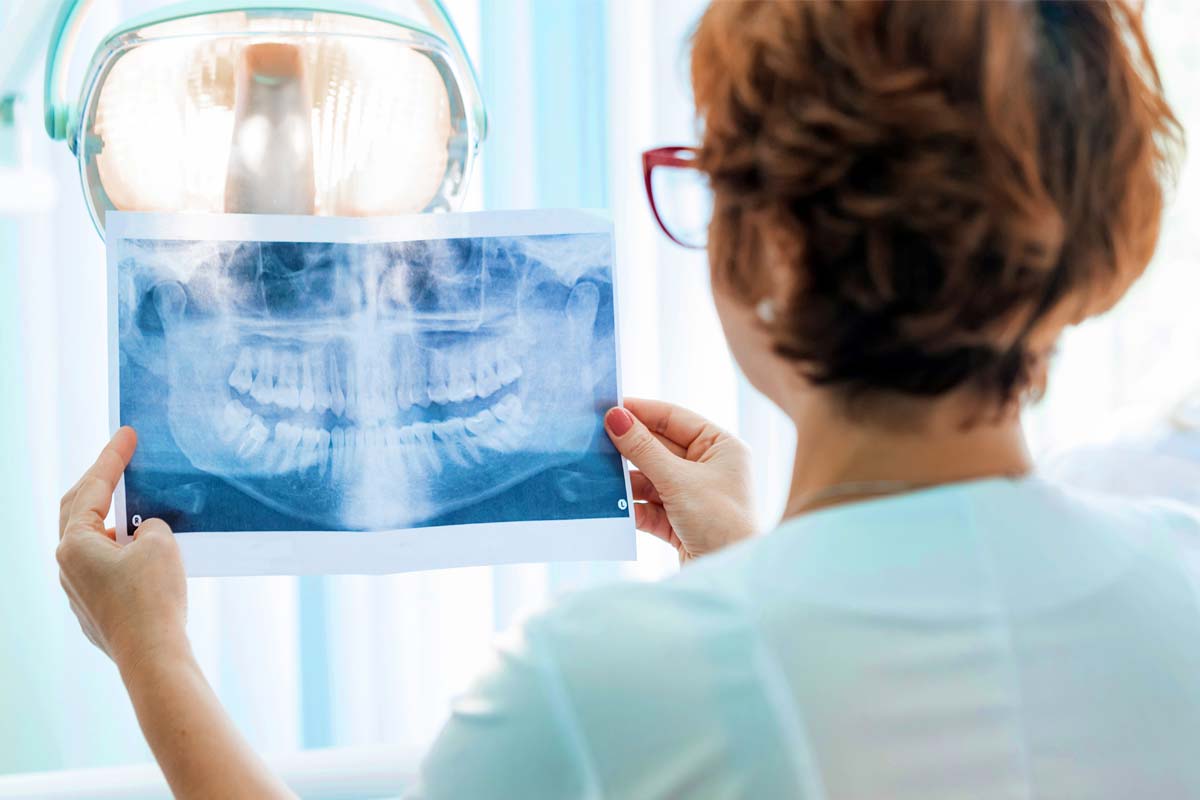
If you have tooth pain, need a root canal, or have been referred to a specialist, you may be wondering whether you should see a dentist or an endodontist. Understanding the difference between an endodontist vs dentist can help you choose the right provider, avoid delays in treatment, and protect your oral health.
In simple terms, a general dentist handles routine dental care and many common treatments, while an endodontist is a dental specialist focused on problems inside the tooth, especially the pulp, nerves, and root canals. Both providers play important roles, but they serve different purposes depending on your symptoms and treatment needs.
A general dentist is your main provider for everyday oral health care. Think of a dentist as your first stop for preventive care, diagnosis, and treatment planning. General dentists treat a wide range of dental concerns and help patients maintain healthy teeth and gums over time.
A dentist may provide services such as:
Your general dentist is usually the provider who identifies the problem first. If you have pain, swelling, decay, sensitivity, or a damaged tooth, your dentist can examine the area, take imaging, and determine what treatment is needed.
An endodontist is a dentist who completes additional advanced training focused on diagnosing and treating issues that affect the inside of the tooth. Their work centers on the dental pulp, tooth roots, and tissues surrounding the root.
Endodontists most often treat conditions involving infection, inflammation, or injury to the tooth’s inner structures. They are specialists in saving natural teeth when deeper internal treatment is needed.
An endodontist commonly treats:
The biggest difference between an endodontist and a dentist is their role and level of specialization.
A general dentist provides broad, comprehensive dental care. They diagnose problems, perform preventive services, restore teeth, and manage many common oral health needs. An endodontist, on the other hand, focuses specifically on conditions inside the tooth and is most often involved when root canal therapy or advanced evaluation of tooth pain is needed.
Here is the clearest way to think about it:
In most situations, you should start with a general dentist. A dentist can evaluate your symptoms, identify the cause, and decide whether treatment can be completed in-office or whether a referral to a specialist is the better option.
You should typically see a dentist for:
Your dentist can often manage the issue directly or guide you to the right specialist if needed.
You may be referred to an endodontist when the issue involves the inner tooth structure or when treatment is more complex than routine dental care. This often happens when root canal treatment is recommended or when tooth pain is difficult to diagnose.
You may need to see an endodontist if you have:
In these cases, an endodontist may be the best provider to preserve the tooth and relieve discomfort.
Yes, many general dentists perform root canals, especially in straightforward cases. However, not every root canal is the same. Some teeth have more complex anatomy, curved roots, narrow canals, or signs of previous treatment failure. In those situations, a dentist may refer you to an endodontist.
This referral does not mean something is wrong with your care. It simply means the dentist believes a specialist is better equipped to handle that specific case.
Root-canal referrals are common and often beneficial. A dentist may refer you to an endodontist when the tooth is difficult to treat, the infection is advanced, or the symptoms do not match a routine case.
A referral to an endodontist may happen because of:
In many cases, the dentist and endodontist work together. The endodontist may complete the root canal, and then your general dentist places the final restoration, such as a crown, and continues your long-term dental care.
Some patients do go directly to an endodontist, especially if they already know they need a root canal or have been treated for one before. Still, many people begin with a general dentist because the source of tooth pain is not always obvious. A dentist can determine whether the problem is caused by decay, gum disease, bite pressure, a cracked tooth, or something requiring specialist care.
Starting with a dentist is often the most practical choice unless you have already been told you need endodontic treatment.
If you need cleanings, fillings, crowns, exams, or a first evaluation for tooth pain, a dentist is usually the right place to start. If the problem involves the nerve of the tooth, a deep infection, or a complex root canal case, an endodontist may be the better fit.
The good news is that you do not have to figure it all out on your own. A qualified dental team can evaluate your symptoms and direct you to the right provider at the right time.
At Lovett Dental, we help patients get the care they need without unnecessary confusion or delay. Whether you need a routine exam, urgent treatment for tooth pain, or a referral for more advanced care, our team is here to guide you through the next step.
We offer a full range of dental services, including:
From scheduling and evaluation to insurance verification, our team is ready to make the process easier. We accept many insurance plans and offer payment options to help patients access care.
If you are dealing with tooth pain or wondering whether you need a dentist or endodontist, contact Lovett Dental at 832-804-7427 to schedule an appointment.
An endodontist is a specialist in root canal treatment and complex problems involving the inside of the tooth. Many dentists perform root canals, but more difficult cases are often referred to an endodontist for advanced care.
Yes, in most cases it makes sense to start with a general dentist. A dentist can examine the tooth, take x-rays, diagnose the issue, and let you know whether you need routine treatment or specialist care.
Yes. Dentists commonly refer patients to endodontists for root canals, root canal retreatment, traumatic tooth injuries, or cases involving severe pain and complex anatomy.
Symptoms that may lead to an endodontic referral include severe tooth pain, lingering sensitivity to hot or cold, swelling, pain when chewing, a cracked tooth, or ongoing issues after a previous root canal.
No. Endodontists focus on internal tooth problems and root canal-related treatment. Regular cleanings, exams, fillings, and preventive care are usually handled by a general dentist.
Yes, depending on the type and severity of the infection. A general dentist may diagnose the problem, prescribe appropriate treatment when indicated, and either perform the needed procedure or refer you to an endodontist for specialized care.
Lovett, Splendid & Haven Dentistry
Dental Offices in TX