

Open ’til 7pm + Saturday
Call
832-804-7427
832-804-7427
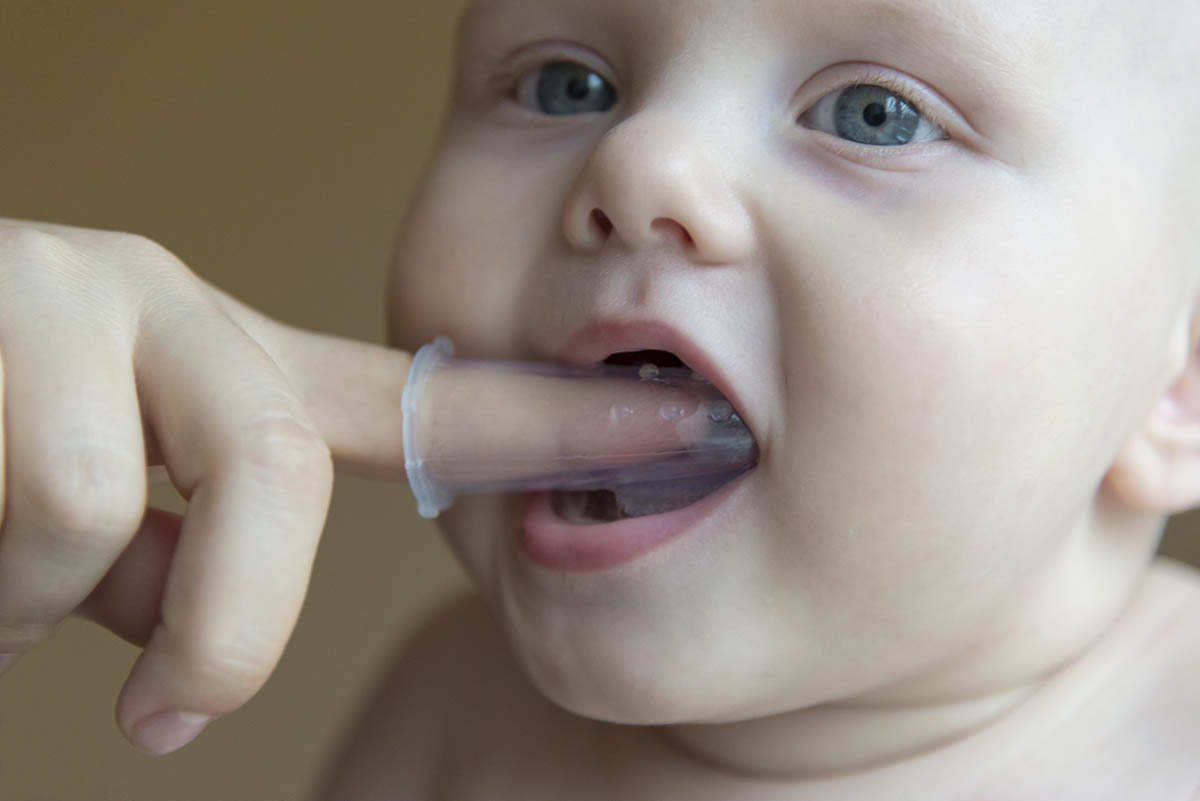
Many parents wonder whether baby teeth really need that much attention, especially since they eventually fall out. They do. Primary teeth play an important role in chewing, speech development, comfort, and holding space for the permanent teeth that come in later, so keeping them clean from the beginning matters.
Cleaning a baby’s mouth is not just about preventing visible plaque. Early oral care helps reduce the risk of tooth decay, keeps the gums healthier, and helps children become more comfortable with brushing and dental visits as they grow. It also gives parents a better chance to notice changes like white spots, staining, irritation, or delayed tooth eruption.
Baby teeth may be temporary, but they have an important job. They help children bite and chew properly, support speech and facial development, and guide adult teeth into position over time.
When baby teeth are not cleaned well, decay can develop earlier than many parents expect. Cavities in primary teeth can lead to pain, sensitivity, feeding difficulties, and infections, and in some cases they may affect the health of the developing permanent teeth underneath.
Oral care starts before a full set of teeth appears. Even before the first tooth erupts, gently wiping the gums can help clear away milk residue and bacteria while helping a baby get used to daily mouth care.
Once the first tooth comes in, it is a good idea to switch to a baby toothbrush with soft bristles and a small head. At that point, brushing becomes part of the daily routine rather than something to wait on until more teeth appear.
| Stage | Recommended Oral Care |
|---|---|
| Before teeth erupt | Gently wipe the gums with a clean, damp cloth or soft infant oral cleaner. |
| When the first tooth appears | Use a soft-bristled baby toothbrush and a very small smear of fluoride toothpaste. |
| As more teeth come in | Brush all tooth surfaces and along the gumline carefully each day. |
A baby-safe toothbrush is usually the best choice once teeth begin to erupt. These brushes are designed with soft bristles that are gentle on sensitive gums while still helping remove buildup from the teeth and along the gumline.
Brushing should be gentle and brief, with attention to the front, back, and chewing surfaces of the teeth. Parents do not need to scrub hard. A calm, consistent approach is usually more effective than trying to force a perfect brushing session every time.
Choosing the right toothpaste matters because babies are still learning how to spit. A small smear of fluoride toothpaste is commonly recommended once teeth erupt, because fluoride helps strengthen enamel and lower the risk of early cavities.
Flavor can also make brushing easier, but safety matters more than taste. Since young children tend to swallow toothpaste, only a very small amount should be used. The goal is to support cavity prevention without making brushing uncomfortable or overwhelming.
It is normal for babies to resist brushing at first. They may not understand what is happening, and anything new around the mouth can feel uncomfortable or unfamiliar.
Parents often have more success when brushing becomes part of a predictable routine, such as after the first morning feeding and before bedtime. A soothing voice, a favorite toy, or a short song can help make the process feel less stressful. Over time, consistency usually matters more than perfection.
Many parents assume baby teeth are less important because they are temporary, but untreated decay in primary teeth can create real problems. Cavities can progress quickly in young children, sometimes leading to pain, infection, sleep disruption, and difficulty eating.
Healthy baby teeth also help protect long-term oral development. When they are lost too early because of decay or injury, nearby teeth can shift, which may affect spacing and alignment later on.
Professional dental care should begin early in life. A pediatric dentist can monitor tooth eruption, check for signs of decay, review oral hygiene habits, and help parents understand what is normal for their child’s age and stage of development.
These visits also help children become familiar with the dental environment from an early age. That can make future appointments feel more routine and less intimidating. If parents notice discoloration, white spots, brown spots, swelling, or prolonged fussiness during feeding, an evaluation may be especially important.
At Lovett Dental’s pediatric dentistry, families can get guidance tailored to a child’s stage of growth. Routine visits and dental cleanings help support healthy habits and early prevention.
Some changes are worth checking earlier rather than waiting for a routine visit. Dark spots, chalky white patches, swollen gums, trouble feeding, or sensitivity when brushing can all suggest that something needs a closer look.
Parents may also want a dental visit sooner if a tooth appears injured, chipped, or slow to erupt, or if there are questions about teething discomfort versus a possible oral health issue. Early reassurance can be just as valuable as early treatment.
| Possible Sign | Why It Matters |
|---|---|
| White or brown spots on teeth | May be an early sign of enamel weakness or tooth decay. |
| Swollen or irritated gums | Could reflect teething, irritation, or another oral health concern. |
| Difficulty feeding or fussiness during brushing | Sometimes linked to sensitivity, discomfort, or inflammation. |
| Injury to a tooth or mouth | Even minor trauma can affect developing teeth and surrounding tissue. |
Early oral hygiene is really about building a foundation. Small daily routines in infancy can make a big difference in keeping the mouth healthy and helping children grow up with a more positive relationship to dental care.
If you have questions about cleaning your baby’s teeth or scheduling a first dental visit, Lovett Dental can help. Families who want guidance from a pediatric dental team can call 832-804-7427 to schedule an appointment.
Yes. Baby teeth can develop cavities just like adult teeth, and they are important for eating, speaking, and guiding permanent teeth into place.
Oral care can begin before teeth erupt by gently wiping the gums. Once the first tooth appears, a soft baby toothbrush and a very small amount of toothpaste are typically used.
That is common. A calm routine, gentle technique, and repetition usually help over time, even if brushing is difficult at first.
They can. Frequent exposure to sugars, including those found in drinks, can increase cavity risk, especially if teeth are not cleaned regularly.
An early dental visit helps check development, spot problems sooner, and give parents guidance on home care and prevention.
Lovett, Splendid & Haven Dentistry
Dental Offices in TX