

Open ’til 7pm + Saturday
Call Us
832-804-7427
832-804-7427
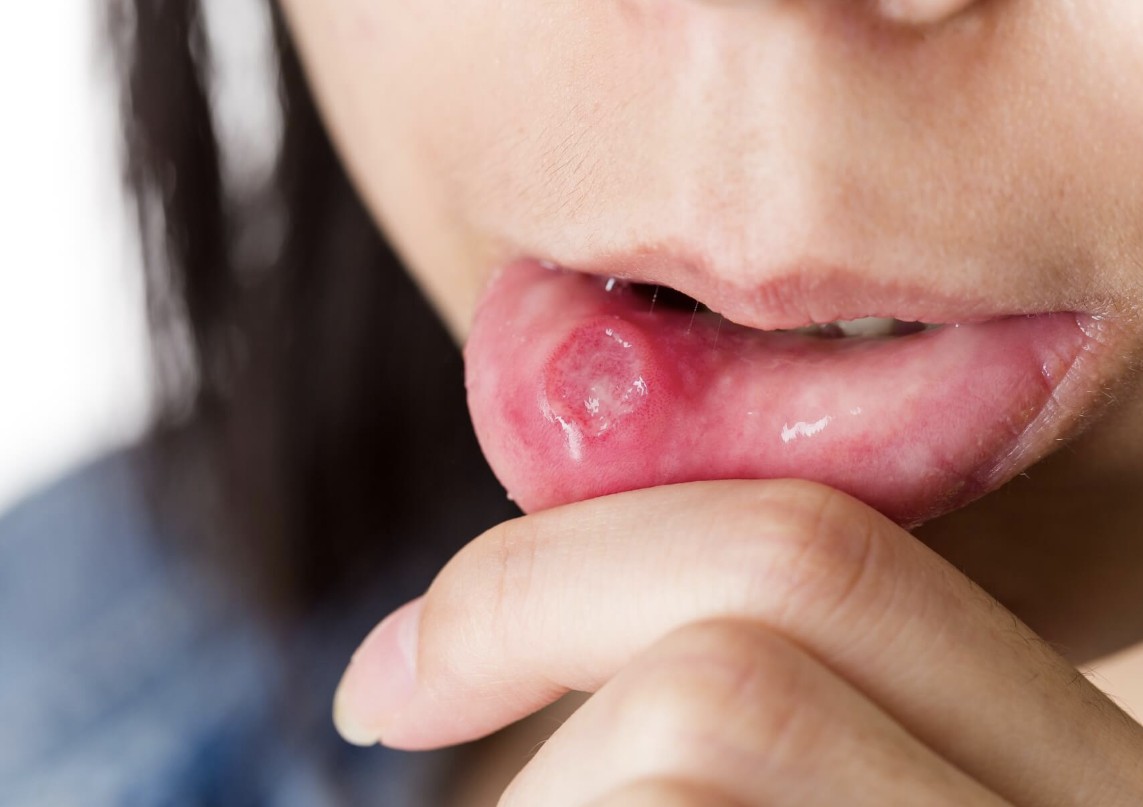
Most canker sores heal on their own within 7 to 14 days. If a sore lasts longer than two weeks, gets larger, keeps coming back, or comes with other symptoms, it should be checked by a dentist or doctor.
Canker sores, also called aphthous ulcers, are painful sores that form inside the mouth. They are not contagious, and most heal without scarring.
Lovett Dental’s general dentistry team in Houston, TX provides this kind of oral evaluation and care if you need an exam.
Not all canker sores heal on the same timeline. Size, depth, and how often they return can affect how long they last.
Pain is often worse during the first few days and then gradually improves. If a sore becomes more painful after it seems to be getting better, that is not the usual pattern.
A typical canker sore forms on the soft tissue inside the mouth. Common spots include the inner lips, inner cheeks, underside of the tongue, floor of the mouth, and soft palate.
Many people notice tingling, burning, or tenderness before the sore appears. The ulcer is usually shallow, round or oval, and has a white or yellow center with a red border.
Common triggers include stress, fatigue, cheek biting, vigorous brushing, dental work, braces, or irritation from a sharp tooth or rough dental surface. Acidic or spicy foods, including citrus and tomatoes, can also trigger or worsen symptoms in some people.
Recurring sores may also be linked to hormonal changes, family history, or low levels of iron, folate, or vitamin B12. If sores happen often, a dentist or doctor can help decide whether more evaluation is needed.
Several mouth conditions can look similar at first. The location, appearance, and healing pattern often help tell them apart.
| Condition | Typical Appearance and Location | Is It Contagious? | Usual Pattern |
| Canker sore | One or more shallow ulcers inside the mouth, often with a pale center and red edge | No | Usually heals in 7 to 14 days |
| Cold sore | A cluster of fluid-filled blisters, usually on or around the lips | Yes | May tingle first, then blister, crust, and heal |
| Oral thrush | Creamy white patches on the tongue, cheeks, palate, or throat that may leave a red or tender surface when wiped | Not usually spread through casual contact | Often needs evaluation and treatment |
A sore caused by trauma may also be confused with a canker sore. A cut or ulcer from a sharp or cracked tooth, braces, a burn, or cheek biting should improve once the irritation is removed.
If the same area keeps rubbing or breaking down, a dentist can check for a rough filling, broken tooth, or appliance that needs adjustment. Some persistent mouth lesions can look like a canker sore at first, which is why any unexplained mouth sore lasting longer than two weeks needs professional evaluation.
This is especially important if the sore is firm, has irregular red or white areas, bleeds easily, or does not hurt at all. A painless sore is not always harmless.
Most minor canker sores only need comfort care while they heal. These steps can help reduce irritation:
Do not place aspirin directly on the sore because it can burn the tissue. Avoid scraping, cutting, or trying to pop the ulcer.
If sores happen often, it may help to track when they appear. Noting stress, foods, accidental injury, or orthodontic changes can help a clinician look for patterns.
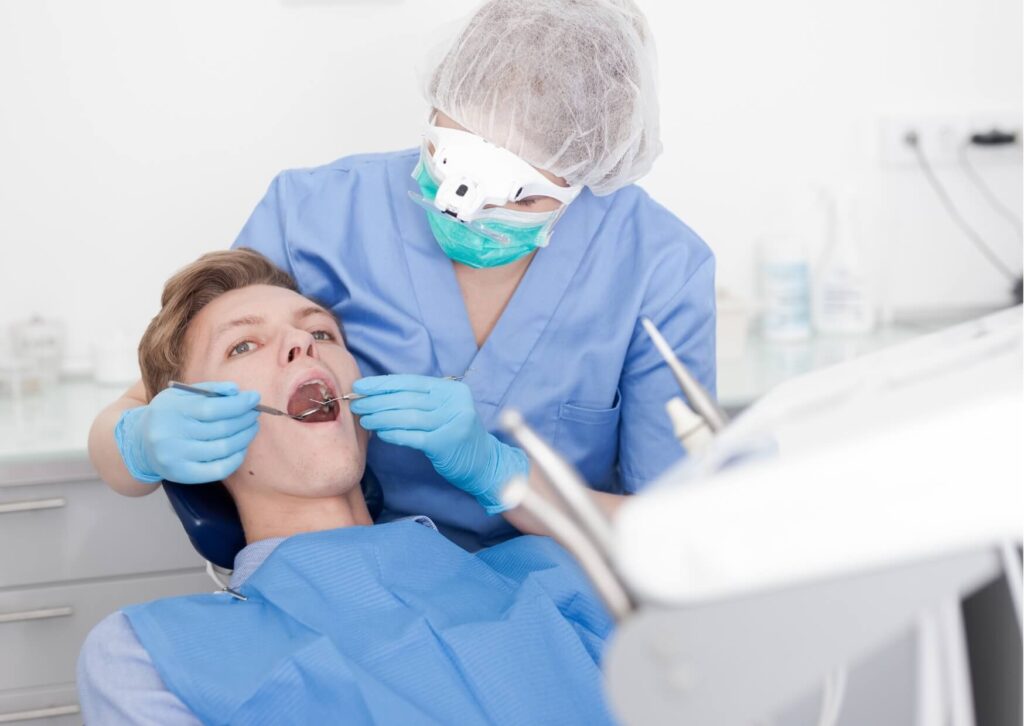
Schedule dental care if a sore has not healed within two weeks, is unusually large or deep, keeps returning, or becomes more painful or swollen. Evaluation is also a good idea if several ulcers appear at once or if a sharp tooth, filling, denture, or brace keeps rubbing the area.
Seek prompt medical care if mouth sores happen with fever, a spreading rash, eye symptoms, major facial swelling, severe weakness, or signs of dehydration. Trouble breathing or swallowing needs emergency care right away.
Children should be assessed promptly if pain makes it hard to drink, urination becomes less frequent, there are no tears when crying, the mouth is very dry, or unusual sleepiness develops. Pediatric dentistry can help determine whether urgent care or medical referral is needed for a child.
A dental exam can help tell the difference between a routine canker sore, trauma, infection, or another oral condition. It can also identify ongoing irritation and whether more medical evaluation may be needed.
For broader guidance on warning signs, you can also review 5 Signs You Need To Make A Dental Appointment and How Often Should I Schedule My Dental Exam.
If your sore hasn’t healed, Lovett Dental’s general dentistry team in Houston, serving patients from Baytown and Cinco Ranch, can help. Contact our office by calling (832) 804-7427 to schedule an appointment.
No. Unlike cold sores caused by the herpes simplex virus, canker sores are not spread through kissing, shared utensils, or casual contact.
Major canker sores can last several weeks. Still, any mouth sore that remains after two weeks should be examined rather than assumed to be a canker sore.
Recurring sores may be linked to stress, irritation, certain foods, family history, nutritional deficiencies, medications, or an underlying health condition. A dentist or doctor can review the pattern and decide whether testing or treatment is appropriate.
A dentist is often a practical first step for a persistent or unclear mouth sore, especially if a tooth, filling, denture, or brace may be involved. A doctor may also be needed if sores are frequent or come with fever, digestive symptoms, skin changes, immune-related concerns, or other symptoms outside the mouth.
Lovett, Splendid & Haven Dentistry
Dental Offices in TX