

Open ’til 7pm + Saturday
Call
832-804-7427
832-804-7427
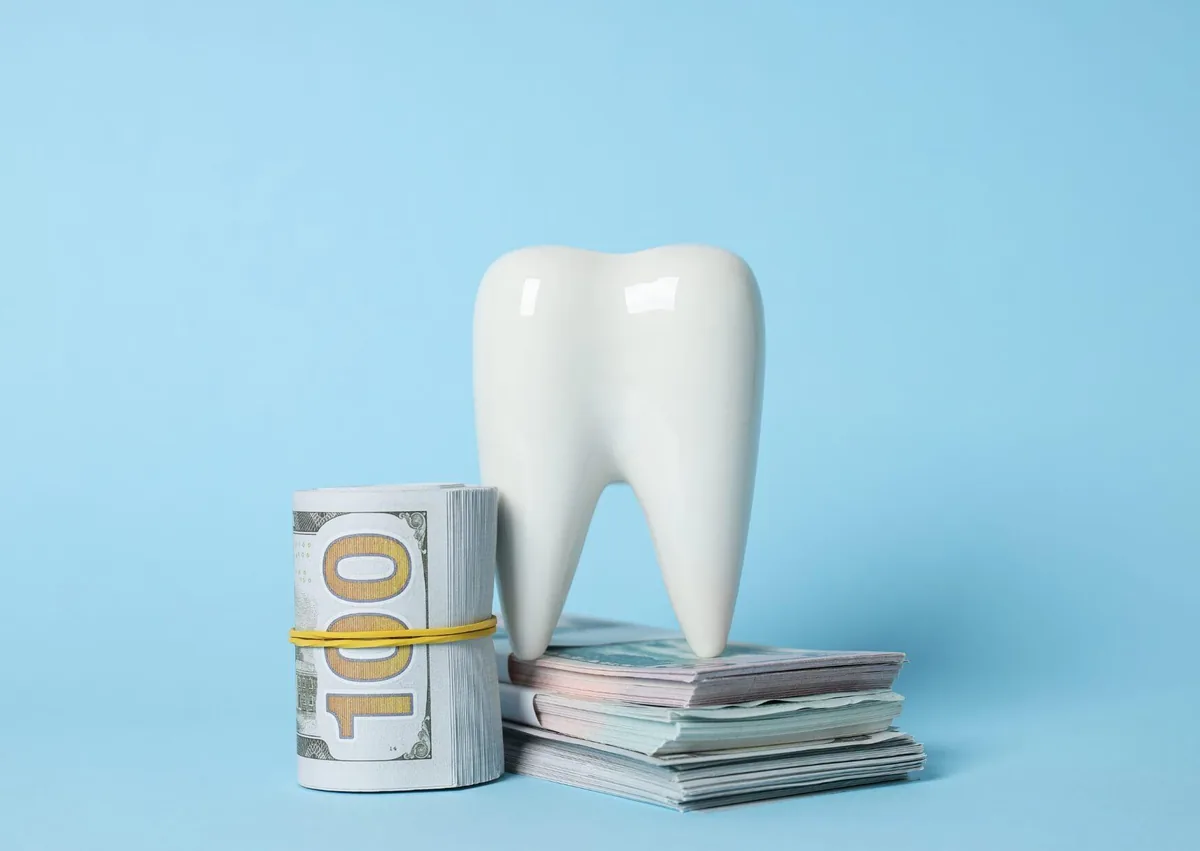
Teeth bonding usually costs about $300 to $600 per tooth in the United States. A very small chip may stay near the low end, while bonding several front teeth or doing more detailed reshaping can raise the total into the thousands.
The most accurate quote comes after a dentist checks the tooth, confirms that dental bonding is a good fit, and estimates the amount of composite resin and finishing work needed. Cost can change based on the size of the repair, the number of teeth involved, and local office fees.
If you're weighing whether a small chip, gap, or discoloration is worth treating, dental bonding can offer a conservative, tooth-preserving option tailored to visible front teeth. Lovett Dental in Houston, TX can assess whether bonding will meet your cosmetic goal and explain realistic results and expected lifespan.
For one tooth, teeth bonding often falls in the $300 to $600 range. That is the most common starting point for a small chip, minor shape correction, or a small area of discoloration.
Bonding is often chosen for cosmetic concerns such as:
If the change is small and the tooth is otherwise healthy, bonding can often be done in one visit. It is a conservative option because it usually requires little or no enamel removal.
When several teeth are bonded, the total usually rises because bonding is commonly priced per tooth. If each tooth costs about $300 to $600, four teeth may cost around $1,200 to $2,400, while eight teeth may cost about $2,400 to $4,800.
This is common when a patient wants to improve multiple front teeth for a more even smile. A dentist may also recommend treating more than one tooth to keep the shape, width, and color balanced.
|
Common Situation |
Typical Scope |
General Cost Expectation |
|---|---|---|
|
One small chipped tooth |
One limited repair |
Often $300 to $600 |
|
Small gap between two teeth |
Usually two teeth |
Often $600 to $1,200 total |
|
Several front teeth |
Four to eight teeth |
Often $1,200 to $4,800 total |
|
More complex reshaping |
Depends on tooth condition |
May exceed typical per-tooth pricing |
A small gap often involves bonding two teeth, not one, so the total may be higher than expected. Larger chips or more detailed contouring can also push the fee above a basic edge repair.
The final estimate depends on more than the amount of resin used. Dentists usually look at the tooth condition, the cosmetic goal, and how much shaping and polishing will be needed.
Common factors that raise or lower the estimate include:
Front-tooth bonding can take more time because the dentist may need to layer and polish the material carefully so it blends with nearby enamel. Teeth that are crowded, rotated, or under heavy bite pressure may also need a closer evaluation before bonding is recommended.
Cosmetic bonding is often paid out of pocket. Insurance may help when bonding restores a tooth damaged by decay, trauma, or structural loss, but purely cosmetic bonding is usually not covered.
Coverage depends on the plan, deductible, annual maximum, and the reason for treatment. If there is a restorative need, ask the office to submit a pretreatment estimate so you have a clearer idea of the expected benefit and your share of the cost.
Many dental offices also offer payment plans or third-party financing. It is worth asking whether monthly payment options, HSA funds, or FSA funds can be used for eligible treatment.
Bonding works best for small cosmetic changes and limited repairs on otherwise healthy teeth. A dentist may recommend a veneer instead when a front tooth needs broader coverage for larger shape or color changes; see what are veneers for background, or read bonding vs. veneers if you want a fuller comparison.
A crown may be a better choice when a tooth has a large fracture, extensive decay, a very large filling, or major loss of strength. In some cases, bonding is not recommended until problems like cavities, gum disease, grinding, or bite issues are treated first.
If you are considering a broader smile change, a dentist may review other cosmetic dentistry options as well. The goal is not just a lower price, but a treatment that is safe, stable, and appropriate for the tooth.
Bonding is not permanent, but it can last for years with good care. Composite resin can stain, chip, or wear over time, especially on front teeth used to bite nails, chew ice, or open packages.
To help bonding last longer:
Ask how long your specific bonding is expected to last based on the tooth location and your bite. Small touch-ups may be possible if edges wear or staining develops.
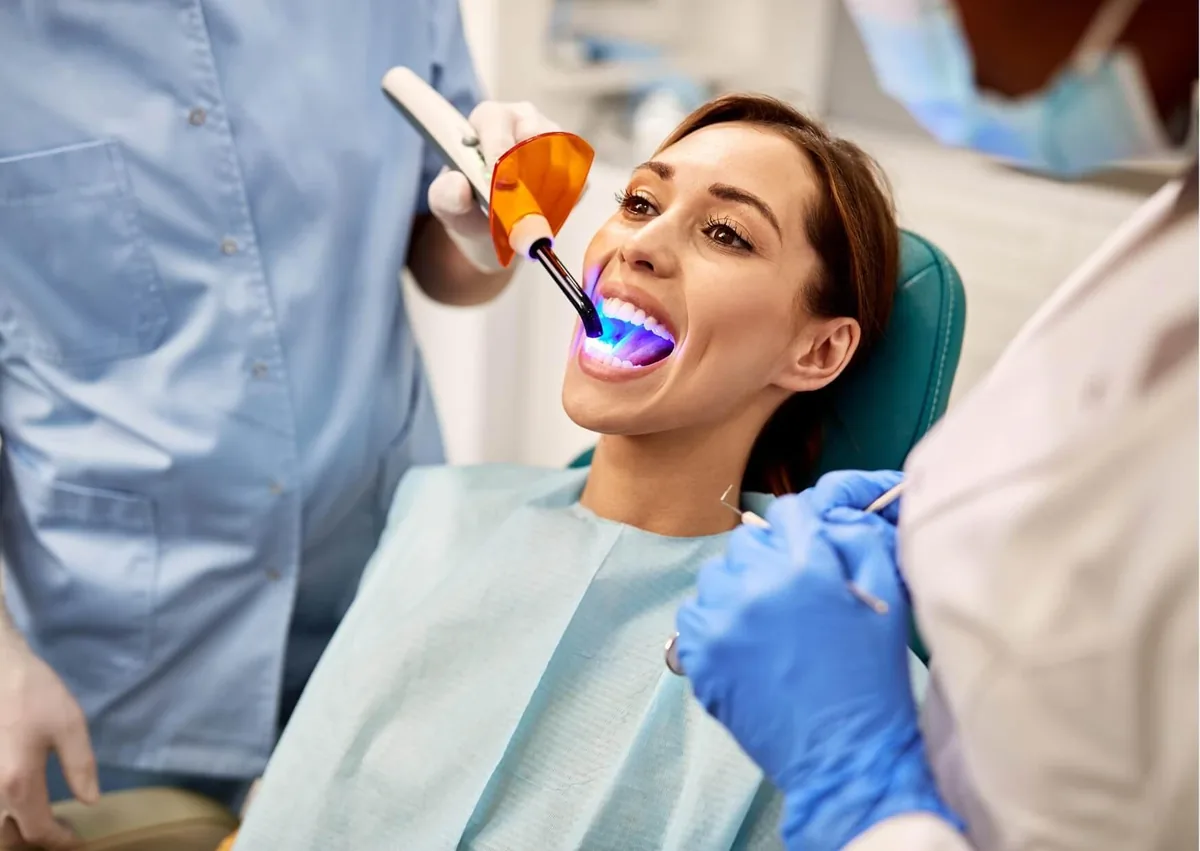
Schedule a dental exam if a tooth is chipped, rough, sensitive, discolored, or changing shape. What looks cosmetic on the surface can sometimes involve decay, a crack, or past trauma that needs treatment first.
Seek prompt care if you have worsening pain, swelling, fever, uncontrolled bleeding, a loose permanent tooth, or a tooth that has been knocked out or moved out of place. Facial swelling that affects breathing or swallowing needs emergency medical attention.
If your concern is mainly cosmetic, bring a photo or be ready to describe the result you want. You can also review common dental problems before your visit for a general background.
To get an itemized estimate and personalized treatment plan, consider a clinical exam focused on dental bonding so the dentist can confirm suitability and list per-tooth fees. Lovett Dental in Houston, TX focuses on dental bonding and cosmetic dentistry; call the office at (832) 617-5530 or book online to arrange an evaluation.
Bonding often lasts several years, but the timeline depends on the size of the repair, the tooth location, your bite, and daily habits. Regular dental visits help the dentist check for staining, worn edges, or small chips.
Bonding that stays on the enamel often does not require numbing. Local anesthetic may be used if the dentist is treating decay, working near a sensitive area, or repairing a deeper defect.
Teeth whitening products can lighten natural enamel, but they do not reliably whiten existing bonding material. If you want a brighter smile, dentists often recommend whitening first and then matching the bonding shade afterward.
Usually, yes. Most offices price bonding by tooth and complexity, although the total may still include an exam, X-rays, or other treatment if the tooth has decay or structural damage.
Lovett, Splendid & Haven Dentistry
Dental Offices in TX