

Open ’til 7pm + Saturday
Call
832-804-7427
832-804-7427
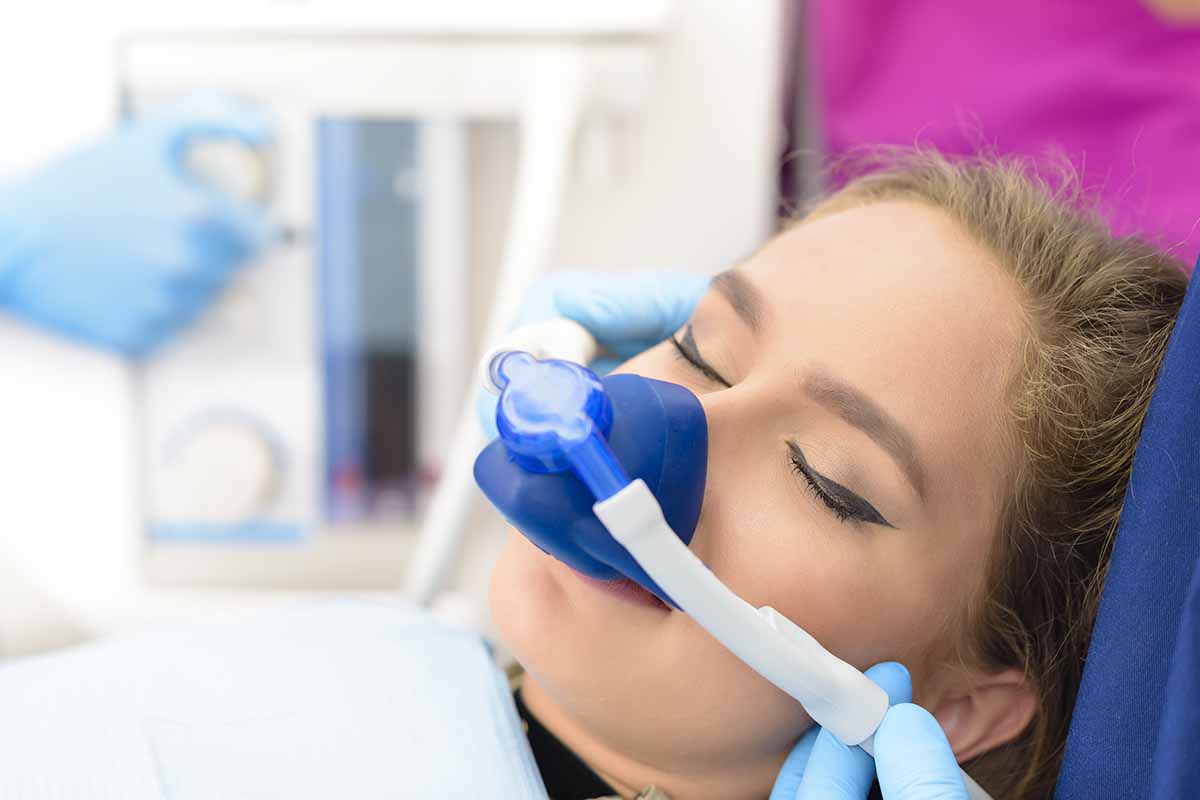
Sedation dentistry may help if dental anxiety, a strong gag reflex, or a long procedure makes treatment difficult. The right option depends on your health history, the procedure, and the level of sedation needed. Sedation helps with comfort; local anesthesia is generally used separately to numb the treatment area.
Tell your dentist if fear has caused you to delay care, if you struggle to sit through treatment, or if prior visits were difficult. The team can explain comfort measures and whether sedation dentistry is appropriate for the planned treatment. Not every visit or patient requires sedation.
For some people, a sensitive gag reflex, difficulty keeping the mouth open, or a lengthy appointment also makes treatment challenging. Describe what happened at previous visits rather than simply asking to be "put to sleep." The dental team can explain whether shorter visits, local anesthesia, nitrous oxide, or another approach fits your needs.
Sedation can be considered for care ranging from a root canal to a tooth extraction. The available method and monitoring vary by office and procedure, so confirm the specific option before scheduling.
Nitrous oxide is inhaled through a small mask and often helps a patient relax while remaining awake and responsive. Its effects usually wear off soon after the gas stops, but the dental team should confirm when normal activities, including driving, are safe for you.
Oral medication may create deeper relaxation and can affect coordination and memory. IV sedation allows the clinical team to adjust medication during treatment. General anesthesia produces unconsciousness and requires additional monitoring; it is not the same as routine dental sedation.
The methods differ in how alert you remain, how long the effect lasts, and what preparation and recovery are required. Nitrous oxide is not a guarantee that a patient can drive afterward; the treating team must assess the whole plan, especially if it is combined with another medicine. Oral and IV sedation generally require more planning for an escort and post-visit recovery.
Share all medicines and supplements you take, allergies, medical conditions, pregnancy status, prior anesthesia experiences, and possible sleep apnea. Ask which clinician administers and monitors sedation, what fasting instructions apply, and whether you need an escort. Do not change prescription medicines or drive afterward unless the treating team says it is safe.
Before the appointment, ask what the chosen sedation is meant to do, whether you will be able to respond during treatment, and how discomfort will be controlled. Confirm any instructions about eating, drinking, and taking regular medicines directly with the clinical team. Afterward, follow the written recovery instructions and call if symptoms are unexpected or concerning.
The price depends on the method, length of treatment, and insurance benefits. Request an estimate rather than assuming sedation adds only a small cost. Lovett Dental can discuss the options available for your visit; call 832-804-7427 or schedule an appointment.
Ask whether the estimate separates the dental procedure, the sedation service, and any facility or specialist fee. Coverage can differ between plans and clinical circumstances. A written estimate helps you make the decision with a clearer view of both the benefits and the cost.
Not necessarily. Nitrous oxide typically leaves you awake and responsive, while deeper sedation and general anesthesia have different effects. Ask which method is planned for your procedure.
Usually not. Sedation helps with relaxation, while local anesthesia numbs the area being treated.
Lovett, Splendid & Haven Dentistry
Dental Offices in TX