

Open ’til 7pm + Saturday
Call
832-804-7427
832-804-7427
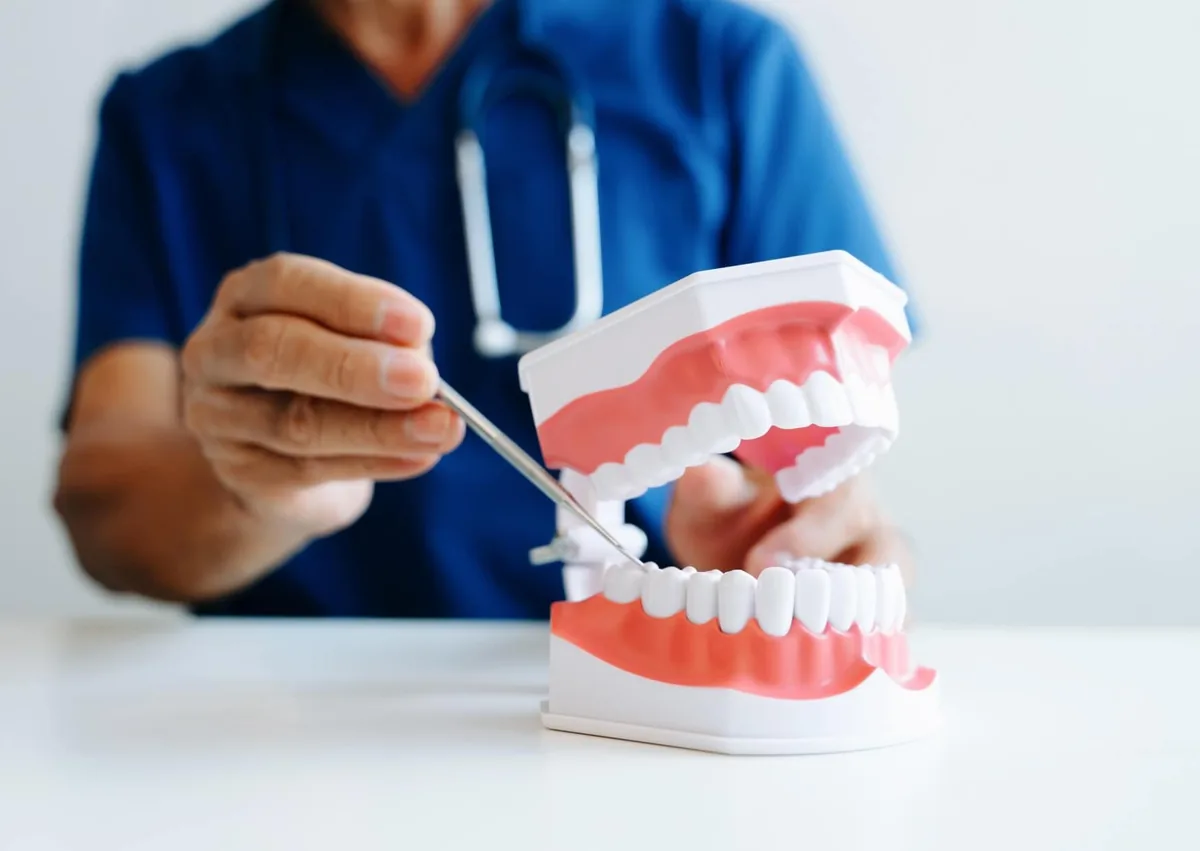
The mouth-body connection means oral health and overall health influence each other in practical ways. Gum inflammation, chronic conditions, medications, medical treatments, and habits such as smoking can all affect the mouth, but oral disease should not be presented as the proven cause of every health problem linked to it.
If you've noticed persistent gum bleeding, swollen gums, or other oral changes that concern your overall health, a dental exam can clarify causes and guide next steps. At Lovett Dental in Houston, TX, a focused dental exam helps identify oral signs related to systemic conditions and informs coordinated care with your medical providers.
The mouth is part of the body, not a separate system. Oral tissues contain blood vessels, nerves, immune defenses, and a complex mix of bacteria, so changes in general health can show up in the gums, tongue, teeth, saliva, or other oral tissues.
The relationship also goes the other way. During gum disease, bacteria and inflammatory byproducts may enter the bloodstream more easily when gum tissues are inflamed, although the body often clears brief exposures.
Research has found associations between poor oral health and conditions including diabetes and cardiovascular disease. An association means two conditions appear together more often than expected, but it does not automatically prove that one causes the other.
Gum disease begins when plaque bacteria trigger inflammation around the teeth. Early disease may cause redness, tenderness, or bleeding, while more advanced disease can damage the tissues and bone that support the teeth.
Persistent gum inflammation adds to the body's overall inflammatory burden. Researchers have also found oral bacteria and inflammatory signals linked to gum disease in other parts of the body, which is one reason the mouth-body connection remains an active area of study.
Current evidence supports treating gum disease to protect oral health, comfort, and tooth support. Treatment may improve some health measures in certain patients, but it is not a substitute for medical care and should not be promoted as a proven way to prevent heart attack, stroke, dementia, or other systemic diseases.
When specialized care is needed, referral to periodontics may be recommended to manage advanced disease and support the tissues around the teeth. Smoking is a major shared risk factor because it increases the risk of gum disease, delayed healing, tooth loss, oral cancer, heart disease, and lung disease.
Diabetes and gum disease have a well-supported two-way relationship. Poorly controlled blood glucose can weaken immune defenses and slow healing, which raises the risk and severity of gum infection.
At the same time, significant gum inflammation may make blood sugar management more difficult. This does not mean gum disease causes diabetes, but it does mean each condition can complicate the other.
People with diabetes may notice bleeding gums, swelling, loose teeth, slower healing, altered taste, recurrent oral infections, or reduced saliva. Some people have few obvious symptoms, which is why dental evaluation still matters even when the mouth feels normal.
Treating gum disease may lead to a modest improvement in glucose measures for some patients, but results vary. Dental care should support, not replace, glucose monitoring, prescribed medication, nutrition guidance, and medical follow-up.
Dentists and physicians may need to coordinate care when diabetes is poorly controlled, infection is present, or oral surgery is planned. Patients should tell the dental team about recent glucose trends, medication changes, and healing problems.
Many prescription and over-the-counter medicines can reduce saliva. Common examples include some drugs used for allergies, depression, anxiety, pain, high blood pressure, and bladder conditions.
Reduced saliva can increase discomfort, cavities, swallowing difficulty, altered taste, and oral infection risk. Learn more about the causes of dry mouth.
Other treatments can affect the mouth in different ways. Inhaled corticosteroids may contribute to oral thrush, while some medicines can cause gum enlargement, mouth sores, or taste changes.
Antiresorptive drugs used for osteoporosis or cancer can rarely affect jaw healing, especially after invasive dental procedures. That is why the dentist needs a complete and accurate medication history.
Chemotherapy, radiation to the head or neck, and some immune-based treatments may cause mouth sores, infection, bleeding, or reduced saliva. When possible, a dental evaluation before treatment can identify problems early and help the dental and medical teams coordinate timing and safety.
Pregnancy, autoimmune disease, immune suppression, and nutritional deficiencies may also cause oral changes. These findings do not confirm a diagnosis on their own, but they may justify dental assessment and communication with a medical clinician.
A dental exam can reveal more than cavities. Dentists assess gum inflammation, tooth stability, saliva, healing, oral tissues, jaw function, and signs of infection, while also reviewing medications and health conditions that may affect care.
Possible warning signs include persistent ulcers, unusual tissue color or texture, unexplained bleeding, fungal infection, severe dryness, and patterns of tooth erosion or wear. Some findings may relate to reflux, immune disorders, nutritional problems, medication effects, or tobacco use, but oral signs alone usually cannot diagnose a systemic condition.
Dentists also screen visible and reachable tissues for signs of oral and throat cancer. If something looks suspicious, follow-up testing, biopsy, or medical evaluation may be needed to determine the cause.
|
Claim |
Evidence-Conscious Interpretation |
|---|---|
|
Diabetes and gum disease influence each other |
Supported by substantial evidence, especially when glucose is poorly controlled |
|
Gum disease is associated with cardiovascular disease |
Supported as an association, but direct causation has not been established |
|
Treating gum disease prevents heart attacks or strokes |
Not proven |
|
Oral bacteria can enter the bloodstream |
Supported, particularly with inflamed tissues or some dental procedures |
|
Every oral symptom reflects a medical disease |
False; many findings have local or temporary causes |
|
Dental care can replace medical management |
False; coordinated care may help, but each condition requires appropriate treatment |
Be cautious with claims that a dental procedure can “detox” the body, cure a chronic illness, or guarantee protection from cardiovascular or neurologic disease. Reliable guidance separates biological plausibility and statistical association from proven cause and effect.

Seek prompt dental care for increasing tooth or gum pain, pus, loose teeth, persistent bleeding, or an oral sore that does not heal within about two weeks. Contact a dentist or physician quickly for unexplained numbness, a persistent lump, difficulty swallowing, or a red or white patch that does not resolve.
Facial swelling, trouble breathing or swallowing, rapidly spreading infection, uncontrolled bleeding, or swelling near the eye requires urgent or emergency evaluation. Coordinated dental and medical care is especially important before cancer treatment or major surgery, during pregnancy with significant oral disease, and when diabetes, immune suppression, or medication-related healing risks are present.
If your mouth shows signs that could relate to other health problems, a dental exam is the appropriate next step to clarify findings and coordinate care. Contact Lovett Dental in Houston, TX for dental exams focused on oral-systemic concerns and call (832) 617-5530 or book online to arrange an appointment.
Gum disease is associated with cardiovascular disease, and both conditions share risk factors such as smoking, age, and diabetes. Research has not established that gum disease directly causes heart disease or that periodontal treatment prevents heart attacks.
Gum treatment may modestly improve glucose measures in some people with diabetes, but the response varies. It should be combined with medical treatment, glucose monitoring, nutrition planning, and other clinician recommendations.
Yes. Prescription drugs, over-the-counter products, supplements, injections, and infusions may affect saliva, bleeding, infection risk, healing, or the safety and timing of dental treatment.
A dentist may recognize signs that suggest a medical issue, but many oral changes have several possible causes. Testing or evaluation by a physician or specialist may be necessary for diagnosis.
The appropriate interval depends on gum health, cavity risk, tobacco use, diabetes, medications, medical treatments, and prior disease. A dentist can recommend an individualized schedule after assessing these factors. See our guide to dental exam frequency.
Lovett, Splendid & Haven Dentistry
Dental Offices in TX