

Open ’til 7pm + Saturday
Call
832-804-7427
832-804-7427
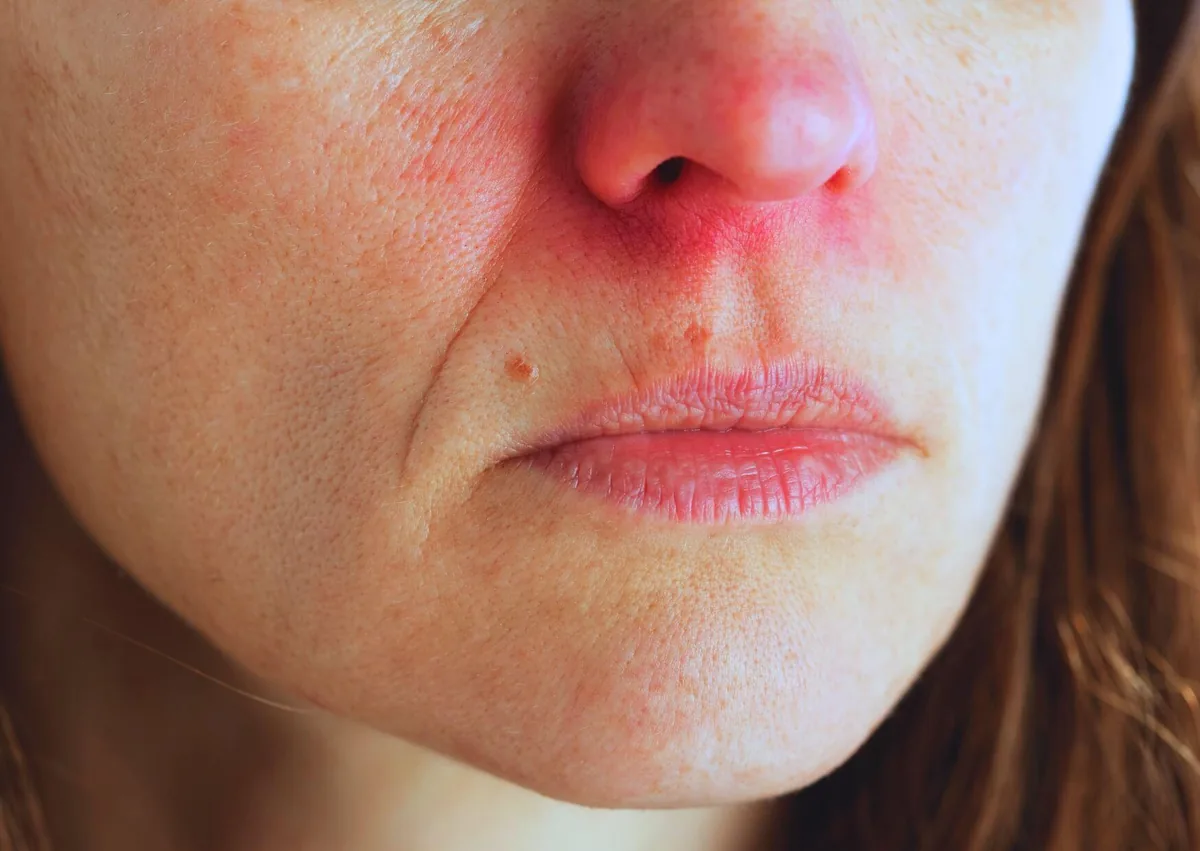
“Why is my mouth so dry?” It usually means you do not have enough saliva to keep your mouth comfortably moist. This problem, called xerostomia, is most often linked to medications, dehydration, mouth breathing, smoking, aging-related health changes, diabetes, Sjögren’s disease, or cancer treatment, and persistent symptoms should be checked because low saliva can raise the risk of cavities, gum irritation, and fungal infection.
Dry mouth can do more than feel uncomfortable, and a visit for general dentistry can help identify likely causes and protect your teeth. At Lovett Dental in Houston, TX, we review symptoms, medications, and saliva-related risks so you can get practical relief and a plan to reduce oral health problems.
Hundreds of prescription and over-the-counter medicines can reduce saliva. Common examples include some antihistamines, decongestants, antidepressants, blood pressure medicines, bladder-control drugs, pain medicines, and medicines for anxiety or sleep.
Do not stop a prescribed medication on your own. If dryness started after a medication change, a dentist or physician can help determine whether the medicine may be contributing and whether a safer adjustment is possible.
Dehydration is another common cause. Not drinking enough fluids, fever, vomiting, diarrhea, heavy exercise, or alcohol use can all lead to temporary dryness.
Mouth breathing often makes dry mouth worse, especially overnight. Nasal congestion, allergies, snoring, sleep apnea, or a habit of sleeping with the mouth open can all contribute.
Smoking and other tobacco use can irritate oral tissues and worsen dryness. Dry mouth is also more common with age, not because aging itself always reduces saliva, but because older adults are more likely to take multiple medications or have health conditions that affect saliva flow.
In children, dry mouth is often related to dehydration, fever, nasal congestion, allergies, mouth breathing, or medication side effects. Ongoing symptoms should not be ignored, especially if a child also has loud snoring, pauses in breathing during sleep, trouble swallowing, or poor growth.
Some medical conditions can reduce saliva or make dry mouth more noticeable. Diabetes may contribute, especially when blood sugar is not well controlled.
Sjögren’s disease is an autoimmune condition that affects moisture-producing glands and can cause significant mouth and eye dryness. Persistent dry mouth with very dry eyes, joint symptoms, or swollen salivary glands may need medical evaluation.
Cancer treatment can also affect saliva. Radiation to the head or neck may damage salivary glands, and some chemotherapy or other cancer treatments may temporarily change saliva flow or consistency.
Less commonly, nerve injury and certain neurologic or autoimmune conditions can interfere with normal saliva production. When dry mouth seems persistent or severe, coordination between a dentist and physician may be the safest way to look for the cause.
Saliva does much more than keep the mouth wet. It helps wash away food particles, neutralize acids, support swallowing and speech, and deliver minerals that help repair early enamel damage.
Saliva also helps control the balance of bacteria and fungi in the mouth. Low saliva is also a common cause of bad breath (causes of bad breath).
When saliva stays low, plaque and acids remain on the teeth longer. That can increase the risk of cavities, especially near the gumline and on exposed roots, and it can also contribute to irritated gums (see causes of receding gums).
Dry mouth can also make fungal overgrowth more likely. Warning signs that dry mouth may be harming oral health include new or rapidly increasing cavities, white or red patches, burning or soreness, cracked corners of the mouth, altered taste, and trouble wearing dentures.
Other common signs include sticky or stringy saliva, frequent thirst, a dry or rough tongue, trouble chewing dry foods, and waking up often to drink water. For more on early decay, see Can a cavity heal?

Sip plain water regularly during the day and keep water nearby at night. Small, frequent sips are often more helpful than drinking a large amount all at once.
Sugar-free gum or lozenges may help stimulate saliva if your salivary glands can still respond. Products with xylitol can be useful, but keep them away from dogs because xylitol is highly toxic to them.
You can also try an alcohol-free dry-mouth rinse, moisturizing gel, or saliva substitute. A cool-mist humidifier may help at night, especially if your symptoms are worse when you wake up.
If mouth breathing is part of the problem, treating the cause matters. Chronic nasal blockage, snoring, or suspected sleep apnea should be evaluated instead of only trying to mask the dryness.
Limit tobacco, cannabis smoke, alcohol, and excess caffeine because they can worsen dryness or irritate the mouth. Avoid frequent sugary or acidic drinks, candies, and cough drops, which can do more damage when saliva is low (see teeth sensitive to sugar).
Brush gently twice a day with fluoride toothpaste and clean between the teeth daily. Do not use lemon juice, acidic candy, or mouth rinses that sting if they make symptoms worse.
Arrange a general dentistry evaluation if dry mouth lasts more than a couple of weeks, happens most days, is getting worse, or starts to affect eating, speaking, sleeping, or denture comfort. If you are unsure about timing, review these signs to see a dentist.
Seek care sooner for mouth pain, sores that do not heal, white patches, swollen or bleeding gums, broken teeth, or signs of new decay. A dental exam can help identify early damage, and some patients may benefit from added protection such as fluoride treatments.
A dentist may review your medications, health history, saliva flow, and oral tissues. Depending on what is found, care may also involve coordination with a primary care clinician, pharmacist, rheumatologist, endocrinologist, or cancer care team.
Contact a medical professional promptly if dry mouth happens with frequent urination, unusual thirst, unexplained weight change, very dry eyes, or swollen salivary glands. Get urgent help for difficulty breathing, inability to swallow liquids, confusion, fainting, or signs of severe dehydration.
Persistent dry mouth is often manageable once the cause is identified. Early evaluation can help protect teeth and soft tissues while any medical contributors are addressed safely.
If dry mouth keeps coming back or is starting to affect your teeth, the next step is a dental evaluation focused on comfort, cavity risk, and practical protection. Contact Lovett Dental for general dentistry in Houston, with convenient care also near Baytown and Beaumont. Call (832) 617-5530 to schedule an exam.
Drinking water can help with dehydration, but dry mouth may continue when medications, mouth breathing, medical conditions, or reduced saliva production are involved.
Yes. Low saliva allows plaque and acids to remain on the teeth longer, increasing the risk of cavities, especially near the gumline and on exposed tooth roots.
Sip water regularly, use sugar-free gum or lozenges, try an alcohol-free dry-mouth rinse or saliva substitute, and consider a cool-mist humidifier at night. Limiting tobacco, alcohol, caffeine, and sugary or acidic drinks may also help.
Yes. Many prescription and over-the-counter medications can reduce saliva, including some antihistamines, decongestants, antidepressants, blood pressure medicines, pain medicines, and medications for anxiety or sleep.
Consider a dental evaluation if dry mouth lasts more than a couple of weeks, occurs most days, gets worse, or begins affecting eating, speaking, sleeping, or denture comfort.
Lovett, Splendid & Haven Dentistry
Dental Offices in TX