

Open ’til 7pm + Saturday
Call
832-804-7427
832-804-7427
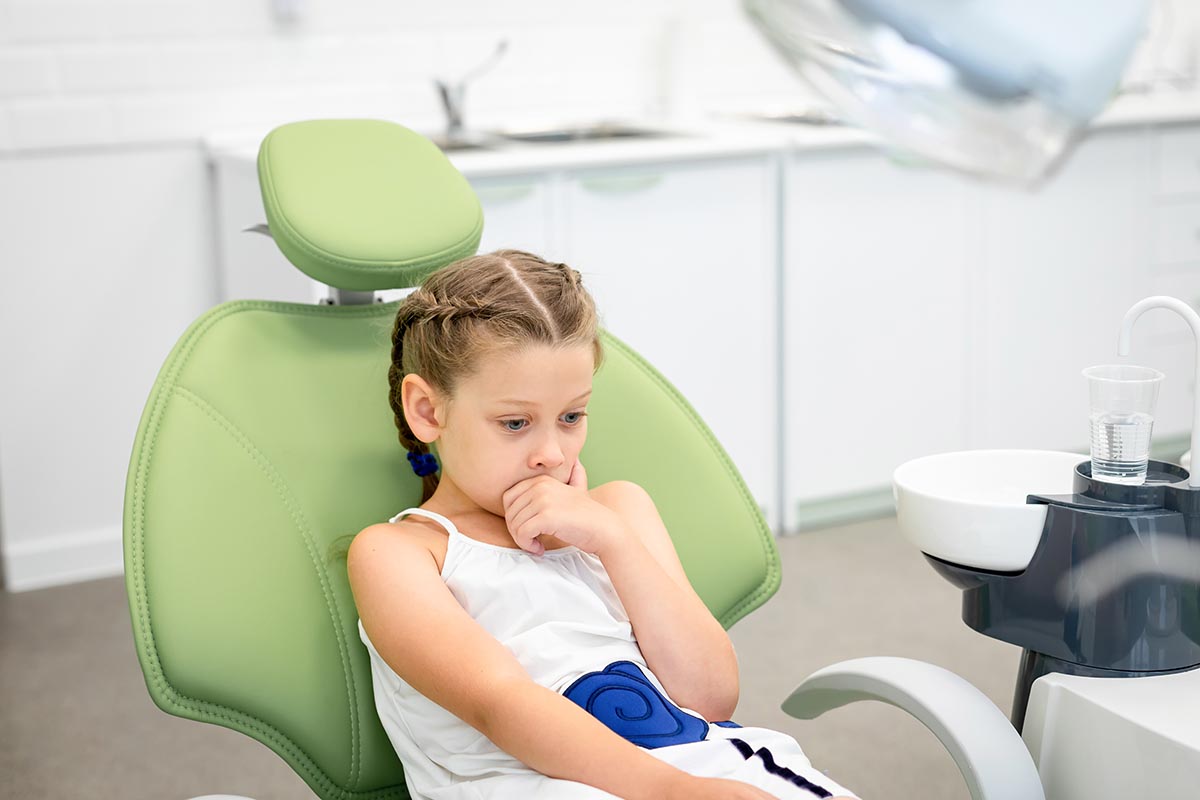
Dental visits are an important part of protecting a child’s oral health, but it is very common for children to feel nervous before an appointment. For some kids, the sounds, unfamiliar equipment, and new environment can feel overwhelming, especially if they do not know what to expect. A thoughtful approach before and during the visit can make dental care feel more predictable, less intimidating, and easier to manage over time.
Dental anxiety in children can show up in different ways. Some children become quiet or withdrawn, while others may cry, resist getting in the chair, complain of a stomachache, or become upset long before the appointment begins. Understanding why that anxiety happens can help parents respond in a calm, supportive way and help children build a healthier long-term relationship with dental care.
Fear of the dentist is not always about pain. In many cases, children are reacting to uncertainty, sensory overload, or stories they have heard from others. A dental office can include bright lights, unusual sounds, new people, and unfamiliar routines, all of which can feel like a lot for a young child to process.
Past experiences can also play a role. A child who has already had discomfort, difficulty sitting still, or a stressful medical appointment elsewhere may carry that worry into a dental setting. Even well-meaning language at home, such as telling a child not to be scared, can sometimes signal that there is something to fear.
Some children clearly say they are afraid, while others show it through their behavior. Paying attention to small changes before the appointment can help parents prepare and share useful information with the dental team.
| Possible Sign | How It May Show Up |
|---|---|
| Verbal worry | Repeatedly asking whether something will hurt or saying they do not want to go |
| Physical complaints | Stomachache, headache, trouble sleeping, or feeling sick before the visit |
| Behavior changes | Crying, irritability, clinginess, or refusing to cooperate |
| Fear during treatment | Pulling away, closing the mouth, or becoming upset when instruments are introduced |
Children usually cope better when they have time to prepare. Mentioning the appointment in advance in a calm, matter-of-fact way can make the visit feel like a normal part of staying healthy instead of a surprise event. The goal is not to over-explain every detail, but to give enough reassurance so the child knows what the visit is for and who will be there.
Simple, honest language tends to work best. It often helps to explain that the dentist will count and clean the teeth, check that everything looks healthy, and help keep the mouth strong as they grow. Parents can also invite questions and answer them clearly without using dramatic or overly scary words.
Children often feel less anxious when the visit seems familiar and predictable. That may mean bringing a comfort item, choosing an appointment time when they are usually well-rested, or arriving a little early so they are not rushed. A calm parent can also make a major difference, because children often take cues from the adults around them.
Positive reinforcement can help too, but it works best when it focuses on effort rather than pressure. Praising a child for being brave, asking questions, or sitting through part of the exam can support confidence without making the appointment feel like a test they might fail.
| Helpful Approach | Why It Matters |
|---|---|
| Scheduling at a good time of day | Children often do better when they are rested and not hungry or overstimulated |
| Bringing a comfort item | A favorite toy or blanket can make the setting feel safer |
| Using positive, neutral language | Helps reduce fear without creating unrealistic expectations |
| Staying calm as a parent | Children often mirror the emotional tone of the adults with them |
Early dental visits often help children become more comfortable with the process because they learn that the dentist is part of routine healthcare. When visits begin at a young age, children have more opportunities to build trust with the dental team before bigger problems arise. That familiarity can lower stress and make future appointments feel more normal.
Early appointments are also useful because they allow the dentist to monitor development, discuss home care, and catch issues before they become more serious. A child who only sees the dentist for pain or urgent treatment may be more likely to associate dental care with discomfort, which can increase anxiety later on.
A child-friendly dental environment can make a meaningful difference in how an appointment feels. Dentists and team members who regularly work with children often know how to explain things in age-appropriate ways, pace the visit carefully, and respond to fear without making the child feel embarrassed.
Many families look for practices that offer a welcoming atmosphere and a wide range of preventive and restorative care for children. Depending on a child’s needs, this may include services such as fillings and sealants, fluoride treatments, and other general dental care delivered with a gentle approach.
It is helpful to let the dental office know ahead of time if your child has a history of dental fear, sensory sensitivity, trouble sitting through appointments, or a difficult past experience. That gives the team an opportunity to plan for a slower introduction, use more child-friendly communication, and create a more supportive visit from the start.
In some cases, dentists may recommend additional comfort strategies depending on the child’s age, needs, and the type of care involved. These options vary and should always be discussed individually, but the first step is simply making sure the dental team understands what your child is experiencing.
Children often feel safer when a trusted family member is nearby. A calm, encouraging presence can help a child settle into the appointment and feel less alone in a new environment. In many cases, seeing that a parent or sibling is comfortable with dental care can also make the experience seem less intimidating.
That does not mean families need to create a big production around the visit. Often, the most helpful support is simple reassurance, patience, and consistency. Over time, repeated positive experiences can reduce the intensity of dental anxiety and help children approach visits with more confidence.
Managing dental anxiety in children usually starts with communication. Dentists often explain what is happening in simple terms, move at a pace the child can tolerate, and build trust before attempting more involved care. The approach may be different for a toddler, a school-age child, or a teenager, but the goal is the same: helping the child feel safe enough to participate.
If a child’s anxiety is more significant, the dental team may talk with parents about behavior guidance techniques or other supportive options based on the situation. The right approach depends on the child’s medical history, emotional needs, and the type of dental treatment being considered.
Occasional nervousness is common, but persistent anxiety can interfere with regular dental care. When children repeatedly avoid visits, delay treatment, or become highly distressed, small oral health concerns can turn into larger problems that are harder to treat later. Anxiety can also make home dental habits more difficult if the child begins to associate all oral care with stress.
That is why early support matters. Helping a child feel more comfortable now can protect both their emotional well-being and their oral health in the future.
If your child feels nervous about visiting the dentist, sharing those concerns with the dental team can help create a more positive experience. At Lovett Dental, we understand that children need reassurance, patience, and a supportive environment to feel comfortable during care.
Whether your child is due for a routine visit or needs more involved treatment, our team can help make the experience feel calmer and more manageable. Call 832-804-7427 or contact us online to schedule an appointment.
Yes, dental anxiety is common in children, especially when they are facing a new environment or do not know what to expect. Fear does not necessarily mean something is wrong. It usually means the child needs reassurance, preparation, and a dental team that knows how to work with children.
Children should begin dental visits early in life, often around the time the first tooth appears or by their first birthday. Early visits help normalize dental care, support healthy development, and give parents guidance on oral hygiene and habits.
It often helps to talk about the visit ahead of time in simple, calm language and keep the explanation positive but realistic. Parents can also choose a time of day when the child is rested and let the dental office know in advance if their child tends to be anxious.
Yes, it is helpful to mention anxiety before the appointment or when you arrive. That information can help the dental team adjust the pace of the visit, communicate more carefully, and use strategies that make the experience more comfortable for your child.
Yes, it can. When fear leads to delayed visits or difficulty completing care, dental problems may go untreated for longer and become more complex over time. Reducing anxiety can make it easier for children to receive preventive care and maintain healthier teeth and gums.
Lovett, Splendid & Haven Dentistry
Dental Offices in TX