

Open ’til 7pm + Saturday
Call
832-804-7427
832-804-7427
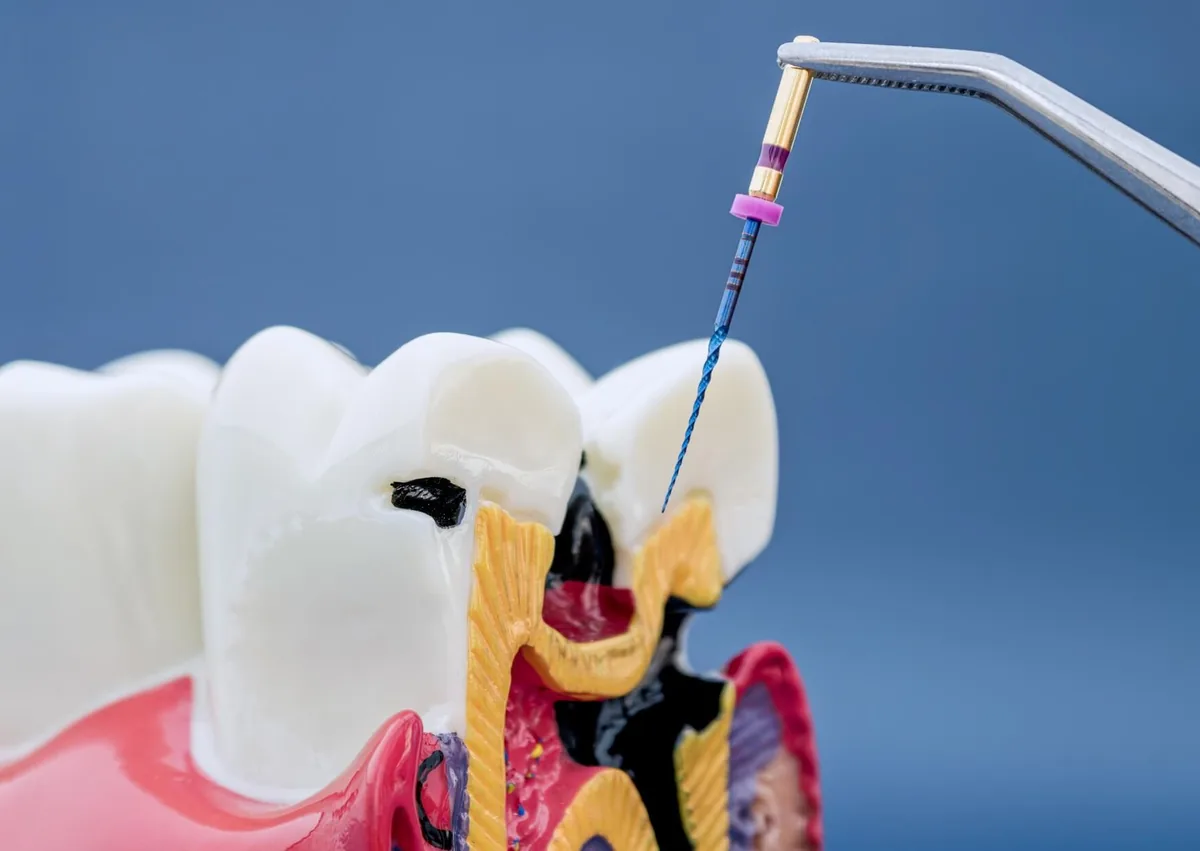
A root canal and crown cost without insurance is often about $1,800 to $4,500 total in the United States. The lower end is more common for a front tooth with straightforward treatment, while the higher end is more common for a molar, specialist care, added restorative steps, or a higher-cost crown material.
If you’re weighing the cost of a root canal and crown because of persistent pain or a damaged tooth, understanding the root canal treatment process can clarify what to expect. Lovett Dental in Houston, TX explains the typical steps, specialists involved, and how those choices affect the total self-pay cost.
The total bill is usually made up of several separate charges, not just the root canal and the crown. In many offices, the root canal, crown, buildup, imaging, and follow-up are itemized separately.
Typical self-pay estimates may include:
|
Bill Item |
Typical Uninsured Range |
Purpose |
|---|---|---|
|
Exam or consultation |
$50 to $200 |
Evaluates the tooth and treatment needs |
|
Dental X-rays |
$25 to $250 |
Shows roots, surrounding bone, and signs of infection |
|
Root canal treatment |
$700 to $2,100 |
Removes infected or inflamed pulp and seals the canals |
|
Core buildup |
$200 to $500 |
Replaces missing tooth structure under the crown |
|
Temporary restoration or crown |
$0 to $300 |
Protects the tooth while treatment is completed |
|
Final crown |
$900 to $2,000 |
Restores strength, shape, and function |
|
Follow-up |
$0 to $200 |
Checks healing or adjusts the restoration |
Published estimates for root canal cost also show that fees can vary by tooth type and treatment complexity. Some offices bundle temporary restorations or routine follow-up into another fee, so it helps to ask what is included.
Tooth location changes the price because treatment difficulty changes. Front teeth often have one canal, while premolars may have one or two and molars commonly have three or more.
More canals usually mean more treatment time, more technical work, and sometimes more advanced imaging. That is why a front tooth often falls near the lower end of the range, while a molar is often more expensive.
A root canal for a front tooth may fall near the lower part of the range; see root canal front tooth for more detail. Curved, narrow, calcified, previously treated, or hard-to-reach canals can also increase the fee, especially if an endodontist is recommended.
Back teeth are also more likely to need a crown because they handle heavier chewing forces. A tooth that has lost structure from decay, fracture, or the access opening for treatment is more likely to crack without full coverage.
Crown material can change the final price by several hundred dollars. The fee may vary based on the material itself, lab costs, appearance needs, and how the crown is made.
Common options include metal alloys, porcelain-fused-to-metal, zirconia, and all-ceramic crowns. In general, stronger or more cosmetic materials may cost more, but the right choice depends on the tooth's location, bite, and appearance goals.
For more detail on dental crowns, ask whether the quoted fee includes tooth preparation, scans or impressions, a temporary crown, lab charges, cementation, and routine adjustments. The lowest crown price is not always the best value if the material is a poor fit for that tooth.
Some teeth need more than a root canal and crown alone. If a tooth has lost too much structure, the dentist may recommend a core buildup so the crown has a stable foundation.
Decay (see how tooth decay develops), fractures, large old fillings, and the opening made for root canal treatment can all leave the tooth too weak for a crown by itself. A buildup replaces missing structure before the crown is placed.
In some cases, a post is placed inside part of the treated root to help hold the buildup in place. A post is not needed for every tooth, so it is reasonable to ask why it is recommended and whether it is billed separately.
Additional restorative steps may also be needed if decay extends below the gumline or if the temporary restoration fails before the final crown is placed. These details are often confirmed only after the exam and current X-rays.
Ask for a written estimate that separates each expected fee. This makes it easier to compare offices and understand whether the quoted total includes the exam, X-rays, root canal, buildup, temporary restoration, crown, and follow-up.
Useful questions to ask include:
Possible budgeting discussions include:
Some treatment can be phased, with the root canal completed first and the permanent crown placed later. However, delaying the crown too long can increase the risk of leakage or fracture, so any phased plan should follow the dentist's timeline.
For perspective on durability and retreatment risk, see how long a root canal lasts. Before agreeing to financing, review the annual percentage rate, deferred-interest terms, late fees, and total repayment amount.
A root canal is usually recommended when the pulp inside the tooth is inflamed or infected. Common signs include persistent pain, lingering hot or cold sensitivity, pain when biting, swelling, or a pimple-like bump on the gums.
Getting the tooth evaluated early may help limit added damage and extra restorative work. Waiting can allow a crack, cavity, or infection to worsen, which may increase the final self-pay total.
Good prevention still matters after treatment. A well-fitting crown, daily brushing and flossing, and regular checkups can help protect the restored tooth and reduce the chance of future problems.
Persistent tooth pain, lingering sensitivity, pain when biting, gum swelling, or a broken tooth should be evaluated promptly. Only an exam and appropriate imaging can confirm whether root canal treatment and a crown are needed.
Seek prompt care if pain is worsening, swelling is increasing, or a temporary restoration breaks. Facial or neck swelling, fever with dental swelling, trouble swallowing, difficulty breathing, confusion, or swelling near the eye requires urgent evaluation, with emergency care appropriate for breathing or swallowing difficulty.
Getting a dental exam early can clarify both the treatment plan and the expected self-pay total. A written estimate is the most useful starting point for uninsured cost planning.
If you need a clearer estimate or urgent care for a painful or infected tooth, arrange an evaluation so the clinician can confirm the required steps, images, and fees. Lovett Dental offers root canal treatment in Houston, TX; call us at (832) 617-5530 to schedule an appointment.
Usually not. Root canal treatment and the crown are generally billed separately, and the buildup, temporary restoration, imaging, or specialist consultation may also have separate fees.
Not always, but it is commonly recommended for molars and many premolars because they absorb heavy chewing force. The need depends on the tooth's location, remaining structure, cracks, bite, and existing restorations.
A short planned interval is common. Waiting longer than recommended can increase the risk of leakage, reinfection, or fracture, especially if the tooth has only a temporary restoration.
Compare the same line items, not just the advertised starting price. Confirm whether each estimate includes current X-rays, specialist fees, the buildup, any post, the temporary restoration, crown material, lab charges, placement, adjustments, and follow-up care.
Lovett, Splendid & Haven Dentistry
Dental Offices in TX