

Open ’til 7pm + Saturday
Call
832-804-7427
832-804-7427
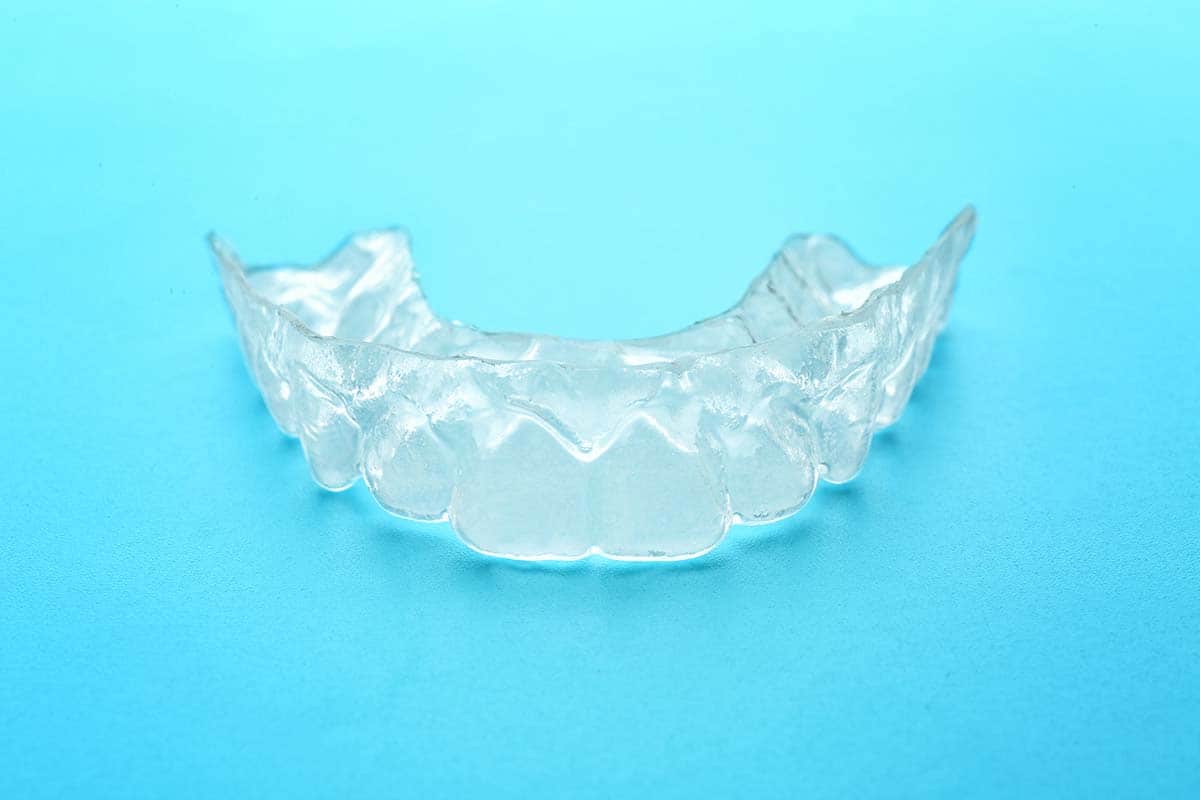
A dental nightguard is a removable appliance worn while sleeping to help protect teeth from grinding or clenching. It may reduce tooth wear and some muscle discomfort, but it does not necessarily stop the habit or treat every cause of jaw pain. A dentist can check whether a guard is the right fit for your symptoms.
Clues to nighttime grinding include flattened or chipped teeth, morning jaw soreness, dull headaches, and a partner hearing grinding sounds. Tooth pain, jaw clicking, or a change in your bite can have other causes too, so an exam matters. Lovett Dental's general dentistry services can help identify tooth damage and other concerns.
Tell your dentist whether symptoms are most noticeable on waking, whether a tooth has become sensitive, and whether a crown or filling has chipped. Jaw muscle tenderness, facial pain, or a sensation of pressure near the ears may also be relevant. None of these signs alone proves that grinding is the cause.
A custom guard is made from an impression or scan and adjusted for your teeth and bite. Over-the-counter guards may be less expensive but may fit poorly or feel bulky. The best choice depends on how often you grind, any existing dental work, and your dentist's findings.
A custom appliance is checked for how it contacts the opposing teeth and whether it stays in place during sleep. A store-bought option may be useful as a short-term measure for some adults, but a poor fit can be uncomfortable and may not protect vulnerable teeth or restorations adequately. Ask about the expected life of the guard and how replacement is handled.
A nightguard should fit securely without causing new pain. If it cracks, feels loose, or changes how your teeth meet, stop using it and contact your dentist for advice rather than trying to reshape it yourself.
The guard creates a protective barrier between the teeth. It can limit wear and reduce the force reaching restorations, but it does not cure bruxism or guarantee relief from a temporomandibular joint disorder. Stress, sleep problems, and some medicines may also matter; discuss these with your healthcare professionals rather than changing medicines independently.
Bruxism and temporomandibular disorders are related but not identical. Clicking, jaw locking, or pain when opening the mouth should be evaluated on its own rather than assumed to be solved by a guard. A clinician may also ask about sleep symptoms or suggest ways to manage daytime clenching and stress when those are part of the picture.
Keep the guard clean as instructed and bring it to dental visits so its fit and wear can be checked. If jaw pain persists or you develop tooth sensitivity, schedule a dental exam instead of assuming grinding is the only cause.
Rinse and clean the appliance according to your dentist's instructions, allow it to dry as directed, and store it in its case. Avoid hot water or attempts to reshape it at home. If the guard suddenly feels tight, cracks, or causes new jaw pain, stop using it until the dental team checks the fit.
Lovett Dental can assess grinding-related damage and discuss a custom appliance when appropriate. Contact the office or call 832-804-7427 to arrange an evaluation.
A guard mainly protects the teeth from the effects of grinding. It may not stop the clenching or grinding behavior itself.
No. Sports mouthguards are designed to cushion impacts; sleep guards are fitted for nighttime tooth protection and bite comfort.
Lovett, Splendid & Haven Dentistry
Dental Offices in TX