

Open ’til 7pm + Saturday
Call
832-804-7427
832-804-7427
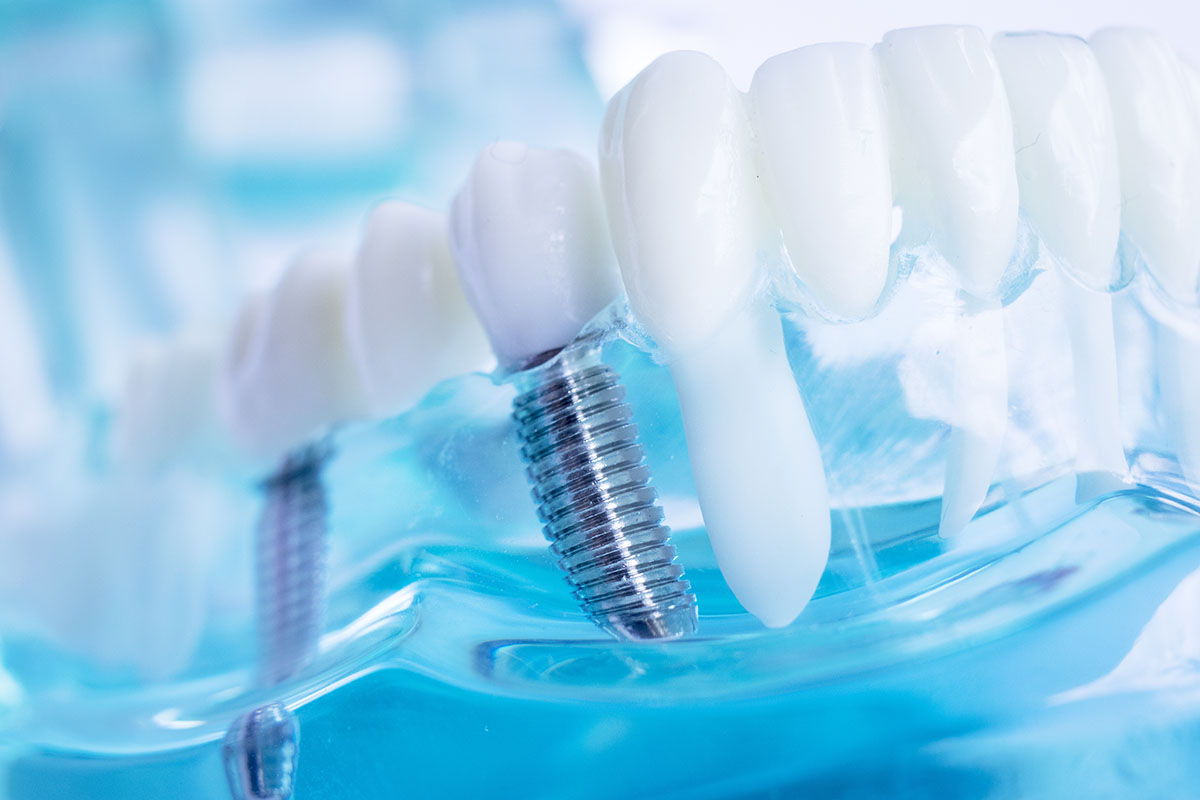
Same-day dental implants may let a dentist place an implant and a temporary tooth during one appointment. “Same day” does not mean the implant has finished healing or that every patient receives a permanent crown immediately. A consultation is needed to determine whether this approach is suitable for your mouth and health.
A dental implant is a small post placed in the jaw to support a replacement tooth. With an immediate-placement approach, a tooth may be removed and an implant placed during the same visit. If the implant has enough initial stability and the bite can be managed safely, a temporary restoration may also be attached.
The implant still needs time to bond with the surrounding bone. After healing, the dentist evaluates it and replaces or adjusts the temporary tooth as needed. See Lovett Dental's dental implants service for the broader treatment options.
The first visit usually starts with an examination and imaging, not surgery without planning. Your dentist assesses the extraction site, the quality and quantity of bone, gum health, and the forces that will reach the temporary tooth. If immediate placement is suitable, you still need instructions for protecting the site and follow-up appointments to check healing.
With a conventional plan, extraction, implant placement, and the final crown may occur at separate visits. That timing can be helpful when an extraction site needs healing, infection needs treatment, or bone grafting is required. Same-day placement can reduce the number of surgical appointments for some patients, but it does not eliminate healing or follow-up visits.
Neither approach is automatically faster to heal, safer, or less expensive for every person. The right sequence depends on bone support, gum health, the location of the missing tooth, bite forces, and whether a temporary tooth can be worn without overloading the implant.
The visible benefit of same-day treatment is often that a patient can leave with a temporary tooth instead of an open gap. The trade-off is that the temporary restoration may need to be kept out of heavy chewing while the implant integrates with bone. A conventional staged approach may be more predictable when a site needs healing or grafting before stable placement.
The dentist will review your medical history, examine your gums and bite, and use appropriate imaging to assess the site. Adequate bone and a stable implant position matter. Active gum disease, smoking, certain health conditions, or heavy grinding may affect healing, but they do not automatically rule out every implant option.
If immediate placement is not advisable, a staged implant plan or another tooth-replacement option may still be possible. Ask which parts of treatment can happen on the first day, what type of temporary tooth you would wear, and when the final restoration is expected.
Discuss tobacco use, gum disease, teeth grinding, and conditions or medicines that may affect healing with the clinician. These do not automatically produce the same answer for everyone. Ask what would make the immediate plan less suitable and whether treating an underlying issue first could improve the options.
Costs depend on the number of teeth, imaging, extractions, grafting, temporary restorations, and final crowns. A same-day plan is not necessarily cheaper than a conventional one. Ask for a written treatment plan and check your insurance benefits before choosing.
Confirm whether the quoted price includes both the temporary and final teeth, any graft, and every follow-up needed to complete treatment. If a full arch is being discussed, ask how many implants will support it and whether the first-day teeth are removable or fixed. These details matter more than the phrase "teeth in a day" when comparing plans.
Lovett Dental can assess whether same-day placement is appropriate and explain the alternatives. Schedule a dental appointment to discuss your options.
Usually, a tooth attached on the day of surgery is temporary. The final restoration is planned after the implant and surrounding tissues have healed sufficiently.
Sometimes. The dentist must assess the extraction site, available bone, infection risk, and whether the implant can be placed securely.
Lovett, Splendid & Haven Dentistry
Dental Offices in TX