

Open ’til 7pm + Saturday
Call
832-804-7427
832-804-7427
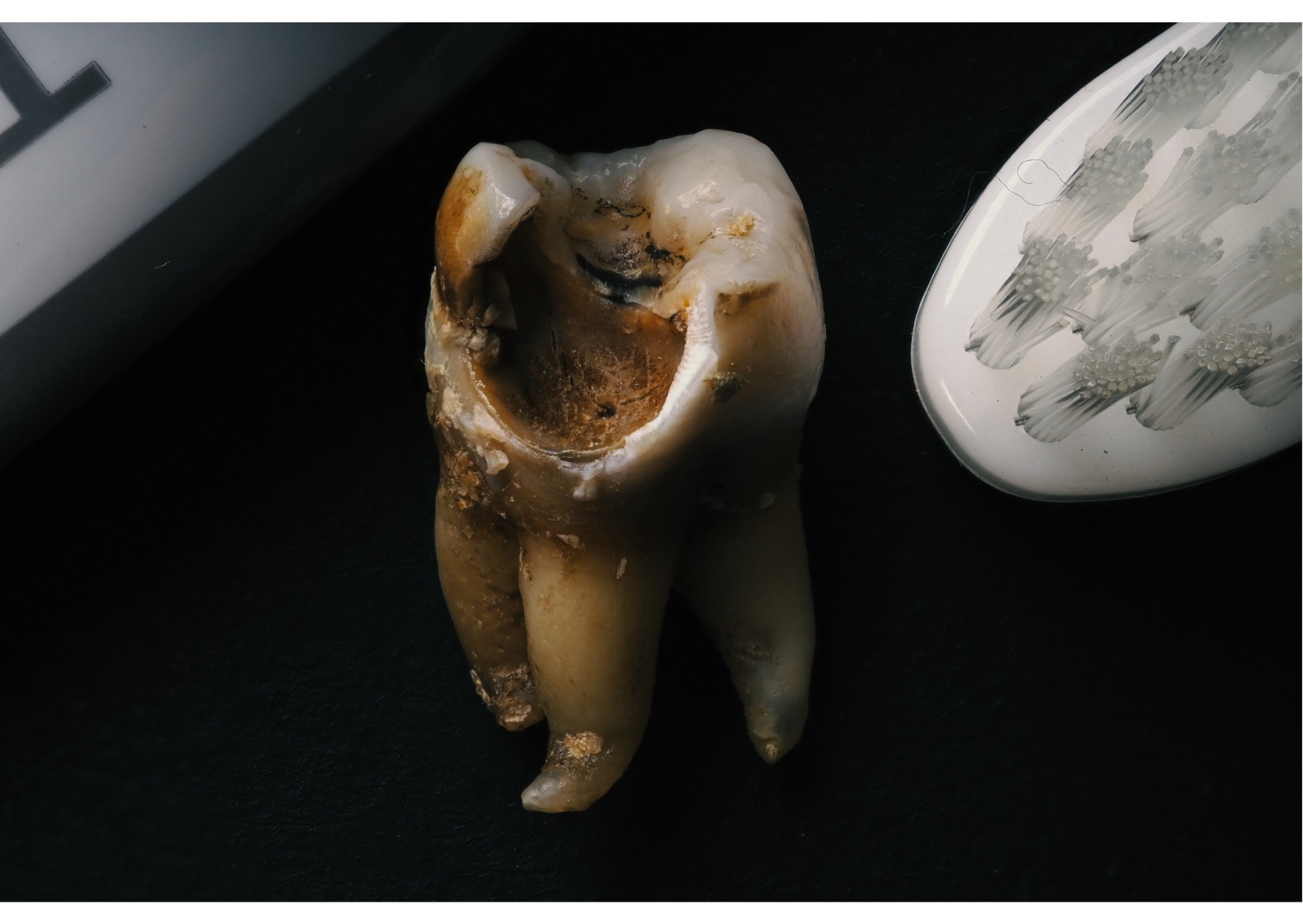
What does tooth decay look like when it first starts? Many people expect a clear hole, a dark spot, or obvious pain. In reality, decay often begins much more quietly, which is part of what makes it easy to miss.
One of the most surprising things about tooth decay is that the earliest changes may look chalky, dull, or slightly whiter than the surrounding enamel rather than brown or black. Dentists have understood this for decades through clinical exams, X-rays, and studies of how acids weaken enamel, the hard outer layer of the tooth. By the time a tooth looks deeply discolored or broken down, the process has often been active for quite a while, and you can read more about how long cavities form.
In day-to-day practice, dentists often describe decay as a progression rather than a single appearance. Early lesions may show up as matte white patches near the gumline or in grooves on the chewing surface. As enamel loses more minerals, the area may turn yellow, brown, or dark and can eventually form a visible pit or cavity. That progression matters because the earlier decay is identified, the more conservative treatment can often be.
At Lovett Dental in Houston, TX, dental exams help patients identify early signs of tooth decay before more serious damage develops. Our team works with patients from Houston and nearby communities to evaluate changes in tooth appearance, sensitivity, and overall oral health in a comfortable, supportive setting.
Tooth decay begins when bacteria in dental plaque feed on sugars and starches left in the mouth. Plaque is the sticky film that builds up on teeth every day. As those bacteria process food particles, they produce acids that pull minerals out of enamel. This process is called demineralization. To dive deeper into the biological steps, see how tooth decay develops.
At first, the tooth surface may still feel intact, but it no longer reflects light the same way. That is why an early area of decay may look flat, cloudy, or chalk-like instead of shiny. If mineral loss continues, the enamel weakens further, and a true cavity can develop.
This is also why appearance alone does not always tell the whole story. Some stained grooves are not active decay, while some early decay may be hard to see in the mirror. Dentists use lighting, magnification, tactile assessment, and often X-rays to determine whether a suspicious area is surface staining, early enamel damage, or a deeper lesion.
There is no single appearance that defines every cavity. What you see depends on where the decay is, how advanced it is, and whether the tooth has fillings, crowding, gum recession, or staining from coffee, tea, tobacco, or other sources.
Early decay may show up as a chalky white spot on the enamel. These spots are often easiest to notice near the gumline, around orthodontic brackets, or on smooth tooth surfaces that collect plaque. The area may look less glossy than the surrounding tooth.
In some cases, the tooth still feels normal and there is no pain. That can make early decay easy to ignore, but this is also the stage where a dentist may be able to slow or stop progression with noninvasive care and close monitoring.
As decay progresses, the tooth may develop yellow, light brown, dark brown, or black discoloration. A dark area does not always mean severe decay, because some stains sit only on the surface. Still, a brown or black spot that also looks soft, rough, or sunken deserves professional evaluation.
Color changes are especially important when they appear in pits and fissures, the narrow grooves on the chewing surfaces of molars. These grooves can trap plaque and food debris, making them common sites for cavities.
A more advanced cavity may look like a small hole, pit, or chipped section of tooth. Food may catch in the area, and the surface may feel rough against the tongue. At this point, the enamel has usually broken down enough that a restoration such as a filling is more likely to be needed.
If decay reaches the dentin, the layer under the enamel, the tooth often changes more noticeably. Dentin is naturally darker and softer than enamel, so the area may look yellow-brown and may be more sensitive.
When gums recede, the root surface can become exposed. Root surfaces do not have the same thick enamel protection as the crown of the tooth, so they can decay more easily. Root decay often looks yellowish, brown, or leathery near the gumline rather than like a classic hole.
This pattern is common in older adults, people with dry mouth, and anyone with significant gum recession. It can spread across the root surface and may be harder to notice without a dental exam.
Decay between teeth is one of the most commonly missed patterns because it may not be visible at all from the front. A tooth can look normal in the mirror while a cavity is developing where two teeth touch.
Sometimes there is a faint shadow, a dark edge, or floss that keeps shredding in the same spot. Often, though, bitewing X-rays are what reveal it. That is one reason routine checkups matter even when teeth seem fine.
A cavity does not always hurt right away. Early decay may cause no symptoms at all, which is one reason people are surprised when a dentist finds a problem during a routine visit.
When symptoms do happen, they often include tooth sensitivity to cold, sweets, or brushing, especially if the enamel has thinned or dentin is exposed. Some people notice food trapping, a rough edge, bad breath, or a bad taste around a decayed area. If you're noticing symptoms, you may find it helpful to read about what a cavity feels like.
As decay gets deeper, pain may become more noticeable or linger after eating or drinking. A toothache that wakes someone at night, pain with biting, swelling, or a pimple-like bump on the gum can suggest more serious inflammation or infection inside the tooth. Those signs need prompt dental attention.
Not every spot on a tooth is a cavity. This is where online photos can be misleading, because several harmless or unrelated conditions can resemble decay.
Common look-alikes include surface stains from coffee, tea, red wine, tobacco, or chlorhexidine mouthwash. Natural grooves in molars can also look dark even when the enamel is sound. In other cases, tartar, which is hardened plaque, may appear yellow or brown near the gumline and be mistaken for decay.
Enamel defects can also confuse the picture. Fluorosis, old trauma, developmental enamel changes, and wear from grinding or acid erosion may create white, yellow, or brown areas that are not cavities. A dentist can usually sort this out by checking texture, location, symmetry, and whether the area appears active or stable over time.
A dark spot is more concerning when it is changing, catching food, feeling rough, or paired with symptoms. The combination of discoloration and structural change matters more than color alone.
It is smart to schedule an exam if a spot is getting larger, if floss keeps snagging there, or if the tooth has become sensitive without a clear reason. A visible hole, swelling, or persistent tooth pain should be treated as a priority rather than watched at home. If you want a quick checklist, the signs for dental appointment article outlines common triggers that mean it's time to call your dentist.
Urgent evaluation is especially important if there is facial swelling, fever, trouble opening the mouth, or pain that is severe and worsening. Those findings can point to a spreading dental infection, which should not wait. If you are experiencing severe pain or swelling, seek emergency care right away.

A dentist does more than look for black spots. Diagnosis usually includes a visual exam under good lighting, an assessment of plaque-retention areas, and a check for changes in enamel texture, translucency, and shape. In many offices, magnification and digital imaging help reveal subtle changes.
Bitewing X-rays are especially useful for finding decay between teeth and under existing fillings. In some cases, additional imaging or monitoring over time helps determine whether a lesion is active, arrested, or not decay at all.
That distinction matters. Some early lesions can be managed conservatively, while cavitated areas usually need restorative treatment. The safest approach is to think of online information as education, not diagnosis.
The way tooth decay looks often reflects how far it has progressed, and treatment usually follows that pattern. A chalky white early lesion may sometimes be managed with preventive strategies, including topical fluoride treatment to help remineralize enamel and changes that reduce acid exposure and plaque buildup. For practical daily steps you can take at home to reduce risk, see tips to prevent tooth decay.
Once there is a true hole in the tooth, the damaged structure generally does not grow back on its own. In that situation, a filling is commonly used to restore the area. Protecting vulnerable grooves and restoring small cavities can include fillings & sealants to repair damage and help prevent future decay. If decay extends closer to the nerve, more extensive treatment such as a crown or root canal treatment may be needed.
When infection spreads beyond the tooth, urgent care becomes more important than appearance. This is why waiting for a cavity to become obvious is rarely a good strategy. Small changes are easier to treat than advanced breakdown.
Tooth decay still gets missed because modern diets create frequent acid exposure, while early lesions can be subtle and painless. Busy schedules, delayed cleanings, limited access to care, and the assumption that no pain means no problem all play a role.
There is also a common belief that cavities are always dark and dramatic. In reality, some of the most important early changes are pale, matte, and easy to overlook. From a public health perspective, that misunderstanding matters because it delays evaluation until treatment becomes more involved and more expensive.
Many dentists would agree on one practical point: if a tooth looks different and stays different, it is worth having it checked. A brief exam is often simpler than guessing from a bathroom mirror or a phone flashlight.
So, what does tooth decay look like? It may look like a chalky white patch, a brown or black area, a rough groove, a shadow between teeth, or a visible hole. It may also look like very little in the beginning.
The key is not to rely on color alone. Look for changes in texture, shape, sensitivity, food trapping, and whether the area seems to be worsening. If anything is persistent, painful, or unclear, a dental evaluation is the most reliable next step.
Good dental care is not just about reacting to pain. It is about noticing small changes early, before a quiet spot becomes a bigger problem.
Do not ignore changes in your teeth just because the pain is mild or the spot seems small. Tooth decay can progress quietly and become far more difficult and expensive to treat once it reaches deeper layers of the tooth.
Lovett Dental offers comprehensive dental exams and personalized care for patients in Houston, TX, helping detect cavities early before they turn into larger oral health problems. Call +1 832-804-7427 today to schedule your appointment and get trusted dental care from a team focused on protecting your long-term smile and comfort.
No. Early decay is often white and chalky rather than black. Dark areas can be decay, but they can also be stain or tartar.
Yes, sometimes. A brown spot may be surface staining or a stable defect, but if it is rough, soft-looking, growing, or sensitive, it should be checked by a dentist.
It often looks like a dull white area near the gumline. In some cases, especially on exposed roots, it may look yellow or light brown.
Yes. Many cavities do not hurt in the early stages. Pain often appears later, after the decay has reached deeper parts of the tooth.
Seek prompt dental care for swelling, severe or worsening pain, a visible hole with sensitivity, a gum bump, or signs of infection such as fever or facial swelling.
Lovett, Splendid & Haven Dentistry
Dental Offices in TX