

Open ’til 7pm + Saturday
Call
832-804-7427
832-804-7427
How long does a tooth implant take? Most people are surprised by the honest answer. In many routine cases, the full process takes several months, not several days.
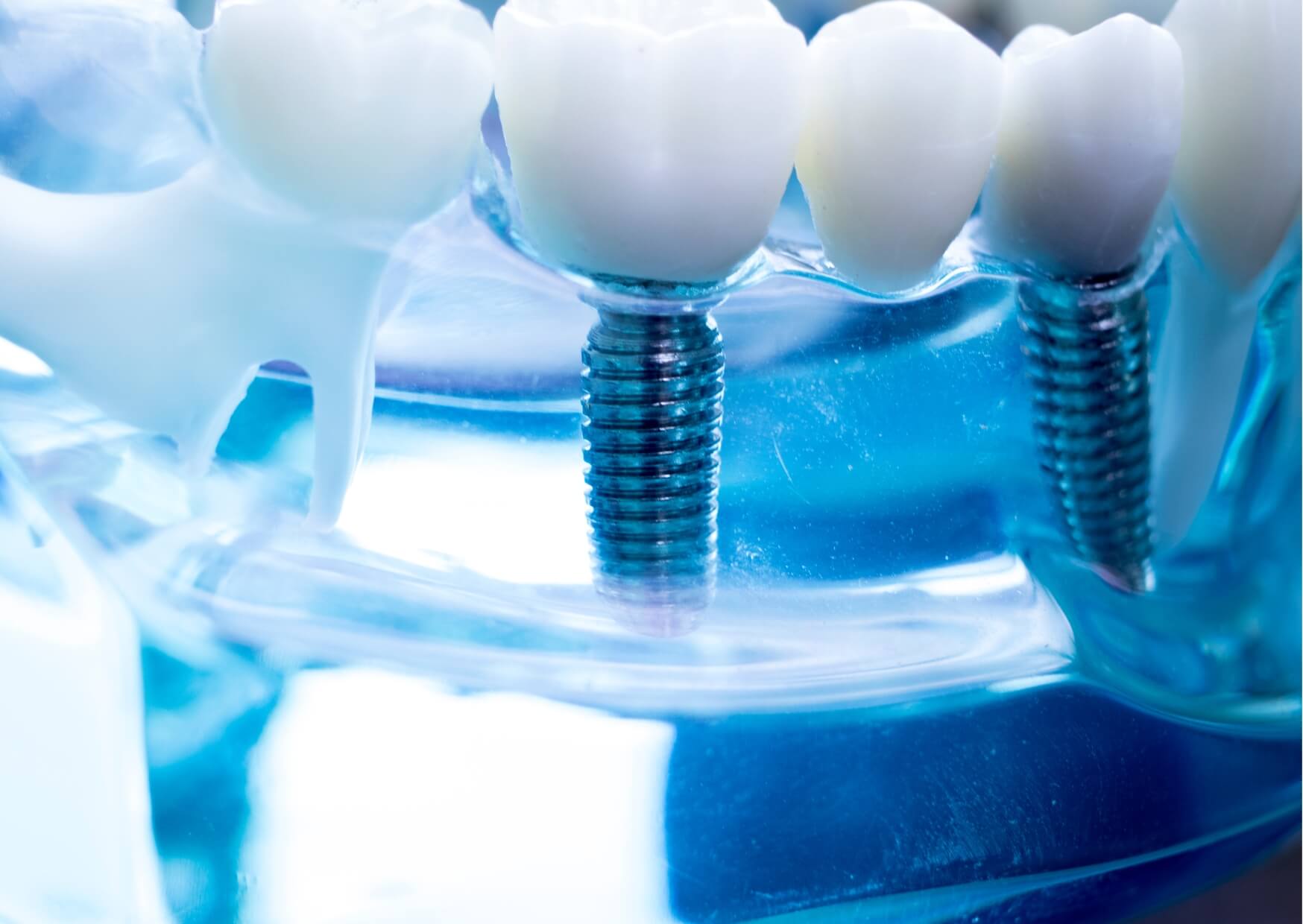
That can sound slow until you understand biology. A dental implant is not just a replacement tooth. Learn more about what implants are.
Dentists often say the surgery is usually the shortest part of the process. The real timeline depends on healing, bone quality, gum health, and whether the tooth was removed recently or long ago.
Some patients move faster, with implant placement soon after extraction and a temporary tooth the same day. Others need bone grafting, infection control, or extra healing time, and that slower path is often the safer choice.
Lovett Dental in Houston, TX offers dental implants and careful restorative planning, the kind of implant care this article describes.
A straightforward single-tooth implant often takes about 3 to 6 months from implant placement to the final crown. If the site is healthy and there is enough bone, some cases can be restored sooner.
If a tooth needs to be removed first with a tooth extraction, the total timeline may be closer to 4 to 9 months. When bone grafting is needed, the process can extend to 6 to 12 months or longer.
The key point is simple: the implant timeline depends more on healing than on chair time.
Here is a general guide:
| Situation | Common Time Range |
| Implant placed in a healed site with good bone | About 3 to 6 months |
| Extraction and implant in a favorable case | About 4 to 6 months |
| Extraction followed by healing before implant | About 6 to 9 months |
| Bone grafting before implant placement | About 6 to 12 months |
| Full-arch or complex reconstruction | Often several months, sometimes longer |
These are broad ranges, not guarantees. A dental exam and imaging are needed to estimate timing safely for each person.
The modern implant process is built around a simple lesson from long-term research. Stable results usually come from careful staging, not speed for its own sake.
You may only have a few appointments, but each one has a specific purpose. The steps below explain where the time goes.
The first visit usually includes an exam, a review of your dental and medical history, and imaging. Many offices use a 3D scan called a cone beam CT to measure bone width, bone height, and the location of nearby structures such as the sinus or nerve.
This planning phase may happen within 1 to 2 visits. If gum disease, active infection, or a cracked nearby tooth is found, those issues may need treatment first.
If the damaged tooth is still present, it may need to be removed. In some cases, the implant can be placed at the same visit, but only if the site is clean enough and the bone can hold the implant securely.
If the socket is infected, the bone is thin, or the gum tissue is not ideal, waiting may be safer. That healing phase may last several weeks to a few months.
A bone graft is used when the jaw does not have enough volume or density to support an implant predictably. This is common after a tooth has been missing for a while because the bone often shrinks after tooth loss.
Some grafts are placed at the same time as extraction or implant surgery. Others need a separate healing period, often a few months, before the implant can be placed.
The surgical appointment itself is often shorter than people expect. A single implant can often be placed in about 1 to 2 hours, sometimes less.
That does not mean the tooth is finished that day. After placement, the implant usually needs time to integrate with the bone before it can handle normal biting forces.
This is usually the longest phase. Osseointegration is the main reason implants take time.
In many healthy adults, this healing period lasts around 3 to 6 months while the jawbone fuses to the implant. Some implants become stable sooner, while others need more time if the bone is softer, the site was grafted, or the implant had lower initial stability.
Once the implant is stable, the dentist places or uncovers the connector piece called an abutment. Then impressions or digital scans are used to make the final crown, which is the visible tooth-shaped part.
This final stage often takes a few weeks. Timing depends on gum shaping, bite adjustment, and lab fabrication.
Two patients can need the same missing tooth replaced and still have very different timelines. That is normal in implant dentistry.
Several factors matter more than people expect.
Dense, healthy bones can help an implant stabilize earlier. Thin or softer bone may still work well, but it often calls for a more cautious timeline.
The upper back jaw is a common example. Bone there is often softer, and the nearby sinus may limit implant length or require added procedures.
Fresh extraction sites can sometimes support immediate implant placement. Long-healed sites may need grafting because the ridge has narrowed over time.
This is one reason early evaluation matters. Waiting too long after tooth loss can make treatment more complex, even if it is still very treatable.
Active periodontal disease means infection and inflammation around the gums and bone. A site with swelling, drainage, or uncontrolled disease may need treatment first.
That delay can protect the long-term result. Placing an implant into an unhealthy environment may raise the risk of failure.
Tobacco use, uncontrolled diabetes, and some immune or bone-related conditions can slow healing. They do not always rule out implants, but they may change the sequence and timing.
A careful dentist should explain this clearly. Faster is not better if the biology is not ready.
Some patients can leave with a temporary tooth the same day or soon after surgery. This is often called immediate provisionalization.
It is important to understand what that means. A same-day temporary tooth is not the same as a finished implant.
This is one of the most misunderstood parts of implant treatment. Yes, parts of the process can sometimes happen in one day, but the full biological process still takes time.
A dentist may remove a tooth, place an implant, and attach a temporary crown at the same appointment in selected cases. That approach works best when there is enough healthy bone, little or no active infection, and good implant stability at surgery.
Even then, the implant still has to heal into the bone over the next several months. The temporary tooth is usually designed to protect the area while healing happens.
Same-day implants can be helpful when the anatomy and bite make them safe, especially for visible front teeth. They should not be treated like a shortcut that fits everyone.
If an office promises a one-day implant without discussing bone support, gum condition, bite forces, and follow-up, that is a reason to ask more questions.
Delays are common in implant care, and many are medically appropriate. They often reflect careful planning rather than a problem.
Common reasons include:
Pain, swelling, or slow healing after surgery may also change the schedule. If symptoms are getting worse instead of gradually improving, the site should be checked.
Urgent red flags include fever, increasing facial swelling, pus, uncontrolled bleeding, severe pain that is not easing, or a temporary tooth or implant that suddenly feels loose. Those symptoms need prompt dental evaluation and, in some cases, urgent care.
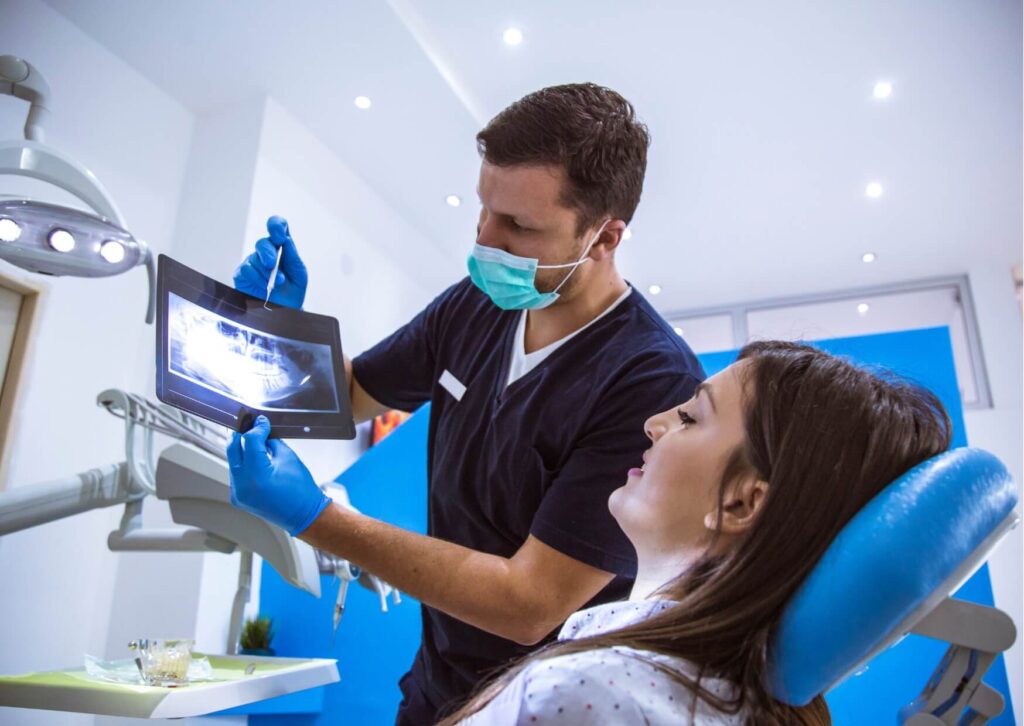
Many people ask how long a tooth implant takes because they are trying to plan work, childcare, and daily life. The practical answer is that the appointments are usually much shorter than the full treatment timeline.
A consultation may take less than an hour. The implant placement visit for one tooth is often completed in a single appointment, and follow-up checks are usually brief.
If you feel anxious about a procedure, ask your dentist about sedation options to help make the visit more comfortable.
The final crown visit is also usually straightforward. What stretches the calendar is the time between visits while the bone and gum tissue mature.
That distinction matters. Most patients are not spending months in the dental chair. They are spending months healing between well-spaced steps.
A good implant consultation should leave you with a clear timeline, not just a price quote. If the sequence feels vague, ask for the stages in order.
Useful questions include:
These questions do more than satisfy curiosity. They help set realistic expectations and reduce the frustration that can come from hearing "same-day" marketing when the real endpoint is months away.
It can also help to review the pros and cons of implants before you decide.
So, how long does a tooth implant take? In many cases, expect a process measured in months, with about 3 to 6 months being common after implant placement and longer when extraction, grafting, or complex anatomy are involved.
That timeline is not a flaw in the treatment. It is part of what makes implants durable when they are planned carefully and given enough time to heal, and it helps explain how long implants last.
If you are considering an implant, the most useful next step is a dental exam with imaging and a written sequence of treatment stages. A realistic timeline, explained clearly from the start, usually tells you more about the quality of care than any fast promise does.
Lovett Dental in Houston, TX provides dental implants and restorative planning and serves patients from nearby Baytown and Beaumont; Call (832) 804-7427 to contact our office and schedule an implant consultation.
Most patients describe the procedure as manageable, especially with local anesthesia. Mild to moderate soreness, swelling, and chewing tenderness can happen afterward, but severe or worsening symptoms should be reported.
Sometimes the same day, sometimes after weeks or months. The timing depends on infection, bone support, gum condition, and whether the site can hold the implant securely.
Early gum healing often happens over 1 to 2 weeks, but bone integration usually takes much longer. In many cases, the implant needs around 3 to 6 months before the final crown is placed.
Many people can return to routine activity within a day or two after a single implant, depending on the type of work and how the surgery went. More extensive treatment may require more downtime.
That does not always mean something is wrong. Healing times vary, but if there is increasing pain, swelling, drainage, fever, or looseness, contact the dental office promptly for evaluation.
Lovett, Splendid & Haven Dentistry
Dental Offices in TX