

Open ’til 7pm + Saturday
Call
832-804-7427
832-804-7427

When comparing root canal vs. extraction, saving the natural tooth is usually the better choice if the tooth can be predictably restored and still has enough bone and gum support. Extraction may be the better or only option when the tooth is too damaged, cracked, loose, or poorly supported to work reliably long term.
Both treatments can remove the source of pain and infection, but they lead to different long-term outcomes. The right choice depends on restorability, the extent of infection, periodontal support, overall health, and your priorities around treatment time, appearance, function, and cost over time.
A dead tooth may be treated with either option depending on symptoms and whether the tooth can still be restored.
If you're trying to decide whether a painful or infected tooth should be saved or removed, root canal treatment may stop the infection while preserving the tooth when restoration is realistic. Lovett Dental in Houston, TX provides careful, evidence-based care that can protect chewing function, support appearance, and help patients make a clear treatment decision.
A root canal treatment treats inflammation or infection inside the tooth. The dentist or endodontist removes the damaged pulp, cleans and disinfects the canals, and seals the tooth to reduce the chance of reinfection.
A tooth can often be saved when enough healthy structure remains above and below the gumline to support a lasting restoration. The root must also be intact, and the surrounding bone and gums need to provide stable support.
Back teeth often need a crown after root canal treatment because they handle heavy chewing forces. A front tooth may need a filling or crowns and bridges depending on how much structure remains and whether strength or appearance is a concern.
Extraction removes the entire tooth, including the roots. It may be recommended when decay extends too far below the gumline, a crack runs into the root, or too little solid tooth structure remains to hold a filling or crown.
Removal may also make more sense when severe gum disease has caused major bone loss or tooth mobility. In some cases, persistent infection, root resorption, poor tooth position, or failure of prior treatment can make saving the tooth unpredictable.
A tooth should not be saved at any cost. If the tooth is unlikely to stay comfortable, stable, or functional, extraction may be the more practical choice.
Dentists look at how much healthy tooth remains and whether the damage extends beneath the gumline or into the root. The exam may include visual inspection, gum probing, bite testing, mobility testing, and dental X-rays.
X-rays help show root shape, infection near the root tip, bone loss, previous treatment, and hidden decay under existing restorations. A cone-beam CT scan may be useful when standard images do not show enough detail, but it is not needed in every case.
The dentist also considers whether the tooth is restorable, how it functions in the bite, and whether a crown can fit around enough sound tooth structure. A consultation with endodontics, a periodontist, or an oral surgeon may help when the prognosis is uncertain.
Both procedures are meant to remove the diseased tissue causing pain. Local anesthetic is used during treatment, so patients usually feel pressure or vibration rather than sharp pain.
After a root canal, the tooth may feel tender when biting for a few days, especially if infection was present beforehand. Patients should avoid chewing hard foods on an unrestored tooth because it can fracture before the final filling or crown is placed.
After extraction, soreness and swelling are common while the socket heals. The blood clot in the socket needs to stay in place, so patients should follow instructions about eating, cleaning, smoking or vaping, and activity. See our pull a tooth timeline for more on extraction recovery.
Recovery depends on the tooth, the amount of infection, the complexity of the procedure, and your overall health. Severe or worsening pain, increasing swelling, fever, drainage, persistent bleeding, or trouble swallowing or breathing needs prompt dental attention.
A tooth that has had a successful root canal and proper restoration can still support chewing, speech, bite stability, and appearance. Keeping the natural tooth also helps preserve surrounding bone and lowers the chance that nearby teeth will drift into the space.
Extraction leaves a gap unless the tooth is replaced. Missing front teeth usually affect appearance more, while missing back teeth may reduce chewing efficiency or change how biting forces are distributed.
Replacement options may include dental implants, a fixed bridge, or a removable partial denture. Each option has different requirements, and implants are not ideal for everyone if bone volume, gum health, healing ability, or medical factors create limits.
Extraction usually costs less at the start than a root canal plus final restoration. That comparison can be misleading if the missing tooth will later need to be replaced.
An implant, crowns and bridges, or a partial denture adds more treatment stages and future maintenance. An implant may also require bone grafting, while a bridge usually involves work on neighboring teeth.
Read more about the cost of dental implants to understand possible long-term expenses.
Root canal treatment also has follow-up costs because the tooth often needs a crown or other final restoration. Still, preserving a restorable natural tooth may be more economical over time than extraction followed by replacement.
Insurance benefits, deductibles, annual limits, tooth location, treatment difficulty, and the type of restoration all affect out-of-pocket costs. Ask for written estimates for the full treatment path, not just the first procedure.
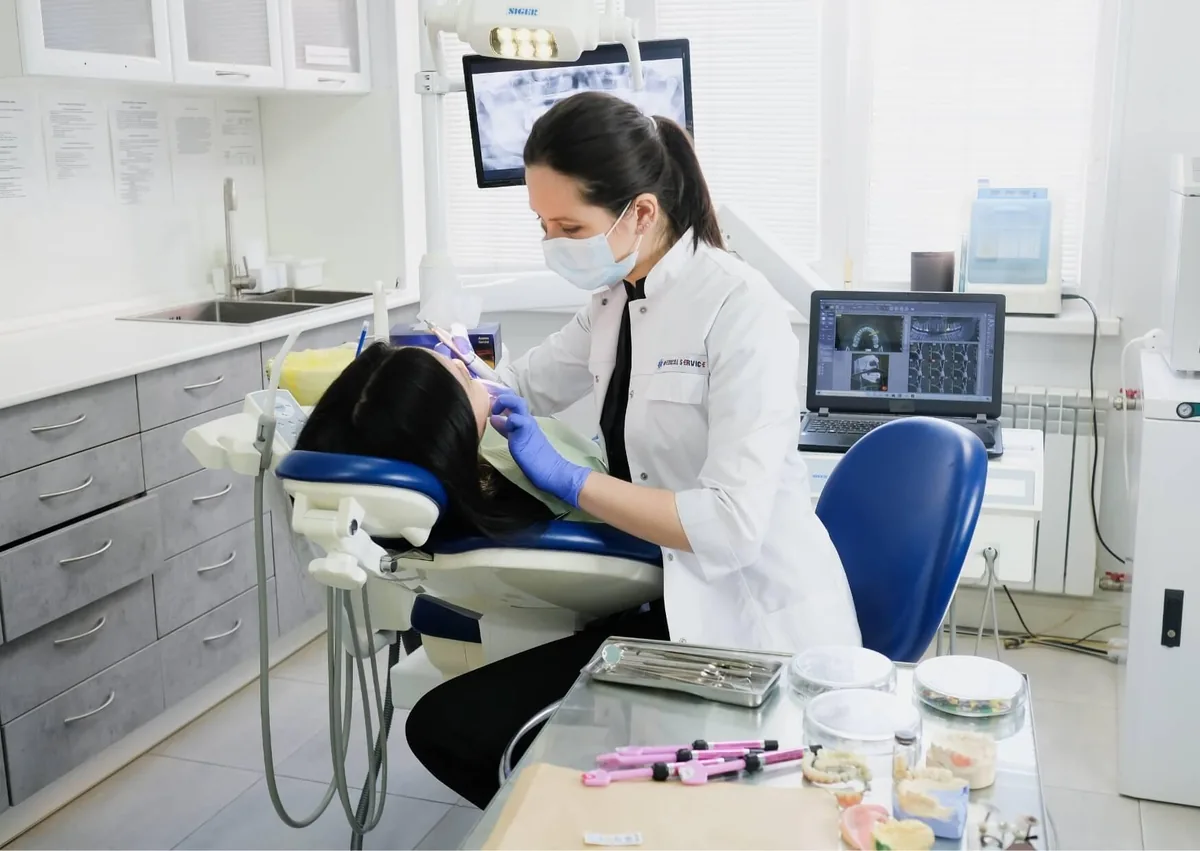
A clear discussion about prognosis can make the decision easier. Consider asking:
A second opinion can be reasonable when the prognosis is unclear or the treatment options differ a lot in complexity. However, active infection, swelling, or significant pain should be evaluated promptly rather than delayed.
A root canal does not make a tooth immune to decay or gum disease. Daily brushing with fluoride toothpaste, cleaning between teeth, regular dental visits, and completing the final restoration on time all help protect the result.
After extraction, keep follow-up visits and discuss whether replacement is recommended. The timing of replacement depends on healing, infection control, bone condition, and the option you choose.
Do not delay care for a cracked, infected, or increasingly painful tooth. Earlier treatment may preserve more tooth structure and keep more options available.
Schedule a dental exam for ongoing tooth pain, pain when biting, lingering temperature sensitivity, a broken tooth, gum swelling, drainage, or a recurring bump on the gum. Symptoms alone cannot show whether root canal treatment or extraction is the better choice, and some badly damaged teeth cause little pain.
Seek urgent dental care for rapidly increasing facial swelling, fever with dental symptoms, swelling near the eye or neck, uncontrolled bleeding, or trouble breathing or swallowing. A dentist can identify the source, decide whether the tooth can be saved, and explain the benefits and limits of each option.
The next step is a dental exam that checks restorability, infection, bone support, and whether replacement would be needed after removal. Lovett Dental provides root canal treatment in Houston, TX and serves Baytown and Beaumont, so call us at (832) 617-5530 to schedule if you want a clear recommendation on your options.
Both procedures are done with local anesthetic and are meant to relieve pain. Recovery after extraction involves healing an open socket, while a root canal keeps the tooth but may cause temporary tenderness when biting.
Saving a tooth is usually preferred when it has a reasonable long-term prognosis. Extraction may be the better choice when the tooth cannot be restored predictably or does not have enough gum and bone support.
Not always. The answer depends on the tooth’s location, its role in chewing and bite stability, nearby teeth, and future treatment plans, although leaving a space can sometimes affect function or allow shifting.
Sometimes an implant or temporary replacement can be placed at the extraction visit, but immediate treatment is not right for everyone. Infection, bone quality, gum condition, tooth location, and overall health all affect timing.
That depends on the diagnosis. Persistent pain, swelling, a fractured tooth, or suspected infection should be assessed promptly because waiting can reduce the chance of saving the tooth and may allow infection to spread.
Lovett, Splendid & Haven Dentistry
Dental Offices in TX