

Open ’til 7pm + Saturday
Call
832-804-7427
832-804-7427
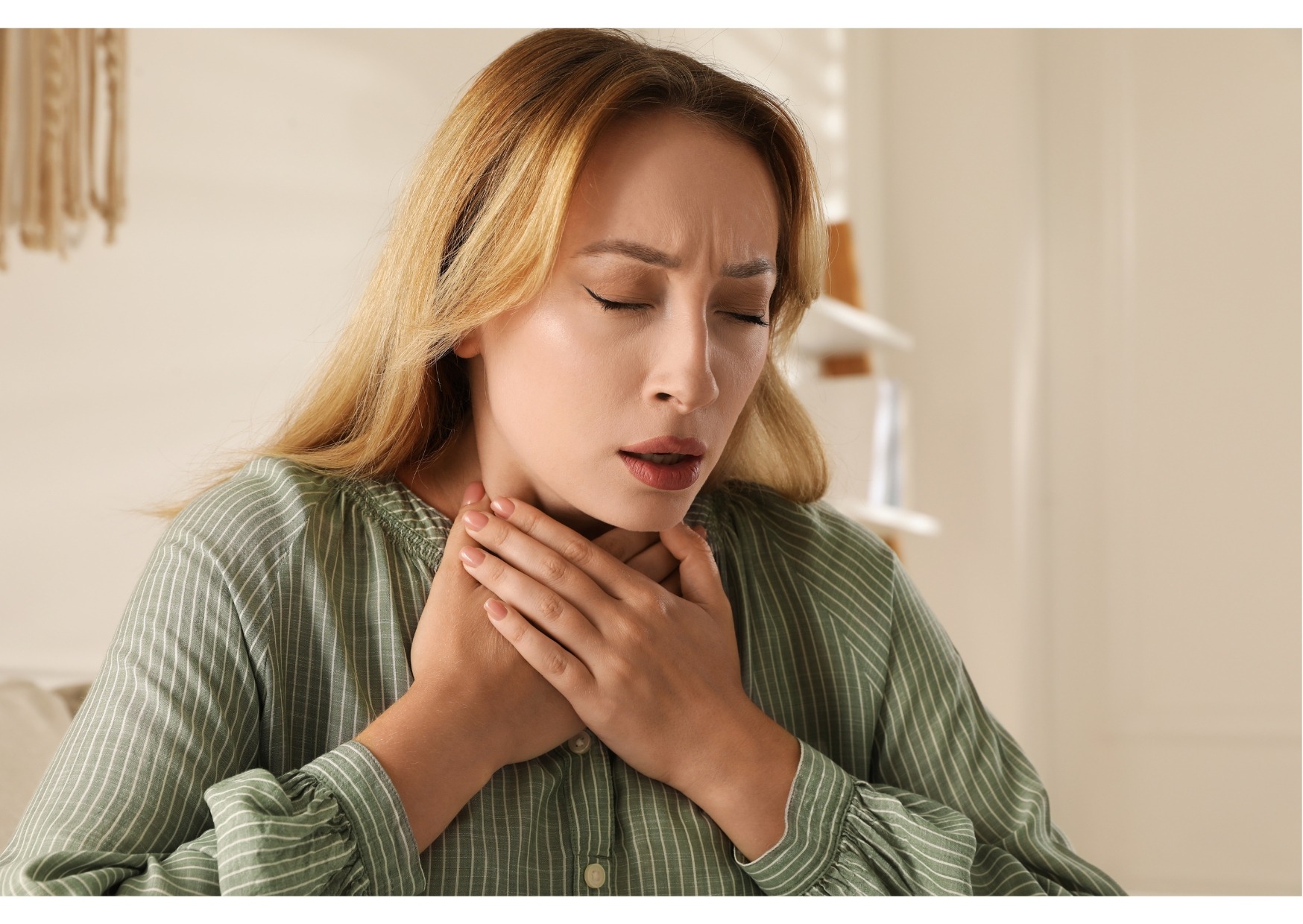
It sounds like a strange question until it happens in real life. A loose baby tooth at dinner, a chipped tooth during sports, a crown that comes off while chewing, or a tooth removed during a dental emergency can all end with a sudden swallow before anyone has time to react.
The surprising part is that a swallowed tooth often moves through the digestive tract without causing injury. In many cases, the tooth travels from the stomach into the intestines and passes naturally in stool. Reviews of accidental ingestion show that many small foreign objects pass without harm. Still, that is not always the whole story. The main concern is not just the stomach. It is whether the tooth went down the food pipe into the stomach or into the airway toward the lungs.
Dentists and emergency clinicians usually think about this in two steps. First, was the object swallowed or inhaled? Second, if it was swallowed, is it likely to pass safely or could it get stuck? That distinction matters more than most people realize.
If you are unsure what happens if you swallow a tooth or whether the situation needs medical attention, a professional evaluation can help clarify the next steps. Lovett Dental provides same-day emergency dental care for patients in Houston, including guidance for swallowed teeth, loose restorations, and other unexpected dental emergencies.
When patients say they swallowed a tooth, dental teams often ask about coughing before anything else. That is because a tooth in the airway can be more urgent than a tooth in the stomach. If the object is inhaled, it may lodge in the throat, windpipe, or deeper in the lungs.
A swallowed tooth usually enters the esophagus, the tube that carries food to the stomach. An inhaled tooth enters the trachea, which carries air to the lungs. Those two pathways sit close together, so in a sudden moment, especially during laughing, talking, trauma, or dental work, it can be hard to tell which happened.
Pulmonologists and emergency physicians have long noted that small dental objects are among the items that can be accidentally aspirated. Teeth, crowns, implant parts, and dental instruments are all documented in medical literature. In practice, history matters. A brief cough that quickly settles may still happen after swallowing, but ongoing coughing, wheezing, choking, shortness of breath, or a feeling that something went down the wrong way are classic airway foreign body symptoms and deserve prompt evaluation.
If the tooth made it into the stomach, the body often handles it the same way it handles other small swallowed objects. The stomach churns food and fluid, then empties into the small intestine. From there, the object continues through the bowel and may pass naturally.
A whole baby tooth often passes more easily than a jagged broken fragment because smooth objects are less likely to catch on tissue. Adult teeth, pieces with sharp edges, and restorations attached to metal can be less predictable. Even then, many still pass without incident.
The digestive tract is remarkably good at moving small objects along. That said, there are natural narrow points where an object may have more difficulty, especially if there is preexisting bowel disease, prior intestinal surgery, narrowing of the gut, or swallowing problems. That is one reason clinicians do not treat every swallowed tooth exactly the same way.
In general, the situation is often less concerning when the swallowed tooth is small, relatively smooth, and followed by no symptoms. A naturally shed baby tooth is the classic example. If there is no choking, no chest discomfort, no vomiting, and no abdominal pain, many cases are managed with observation after speaking with a dentist, physician, or triage service if needed.
Doctors may consider age, medical history, and the exact object involved. A tooth by itself is different from a tooth with a bracket, wire, post, or sharp restoration attached. A healthy adult with no symptoms is different from a young child, an older adult with swallowing difficulty, or someone with known intestinal narrowing.
This is where common sense and clinical judgment meet. The body often does fine, but the details matter.
A swallowed tooth can become more concerning if it is sharp, unusually large, attached to metal, or followed by symptoms. The main complications clinicians watch for are obstruction, meaning a blockage, and perforation, meaning a tear in the digestive tract. Both are uncommon, but they are the reason persistent symptoms should not be ignored.
If you're unsure whether this counts as a dental emergency, err on the side of prompt evaluation.
Warning signs may include trouble breathing, ongoing coughing, chest pain, severe belly pain, repeated vomiting, fever, or blood in saliva or stool. Difficulty swallowing, drooling, or a sensation that something is stuck in the throat can also suggest the object did not reach the stomach.
In some cases, an X-ray can help locate the tooth, especially if it contains dense material or metal. Not every tooth shows clearly on imaging, and the choice of scan depends on the situation. If symptoms point toward aspiration, chest imaging or airway evaluation may be needed. If symptoms point toward the esophagus or bowel, abdominal imaging may be considered. Guidance on sharp object ingestion also helps explain why sharp fragments, wires, and metal-attached restorations deserve more caution.
One important point: a lack of immediate pain does not guarantee that everything is fine. Most swallowed teeth are harmless, but worsening symptoms should always override early reassurance.
Not every dental object behaves the same way in the body. A naturally loosened baby tooth is usually small and smooth; if you're curious about timing, see our guide to losing baby teeth. A broken adult tooth may have sharp enamel edges. A crown may be rounded, but if it includes a post or fractured core, the shape can be more problematic.
Orthodontic and implant-related parts deserve extra caution. A swallowed bracket, wire segment, healing cap, or screw can be small enough to inhale and sharp enough to irritate tissue. During dental procedures, teams use barriers and throat protection for exactly this reason.
Here is a practical comparison:
| Object | Usual Concern Level | Why It May Matter |
| Baby tooth | Often lower | Small and usually smooth |
| Broken adult tooth fragment | Variable | Sharp edges may irritate or catch |
| Crown without sharp parts | Often low to moderate | Size and shape matter |
| Crown with post or metal attachment | Moderate to higher | Less smooth, may snag tissue |
| Orthodontic wire or bracket | Higher | Small, sharp, and easier to inhale |
| Implant screw or small dental hardware | Higher | Dense, small, and may enter airway |
This table is only general education. The right next step depends on symptoms, age, and the exact object involved.
If you swallowed or lost a restoration, your dentist can advise whether a replacement is needed; many patients need assessment for crowns and bridges when a crown or post is involved. Learn about dental bridges if you want more detail on replacement options and recovery.
A clinician will usually want a clear timeline. When did it happen? Was there choking or coughing right away? Was the tooth whole or broken? Was anything attached to it? Has there been pain, vomiting, wheezing, or trouble swallowing since then?
That history often guides the next decision better than panic does. If the event happened during a meal and there were no airway symptoms, swallowing is more likely. If it happened during laughing, talking, sports contact, sedation, or while lying back in a dental chair, aspiration may need more careful consideration.
Dentists may also ask whether the missing object was definitely found or whether it could still be in the mouth, cheek, or under the tongue. That sounds basic, but in urgent moments it is easy to assume a swallow happened when the object is actually still nearby.
First, pay attention to breathing. If there is choking, noisy breathing, blue discoloration, severe distress, or inability to speak, that is an emergency and emergency services should be contacted right away.
If breathing is normal, the next step is to contact a dentist, physician, or urgent care service for guidance, especially if the tooth was sharp, attached to metal, or swallowed by a child. For routine follow-up or reassurance after the event, reach out to general dentistry at your local Lovett Dental office for advice and monitoring.
For actionable steps, see our dental emergency actions guide.
It is generally wise to avoid guessing based on internet advice alone. Some patients are told to simply wait and check stool, and sometimes that is appropriate, but that decision should fit the object and the symptoms. General education is not the same as personalized medical advice.
If a young child swallows a tooth or a dental part, pediatric-focused evaluation can be helpful; consider contacting pediatric dentistry for child-centered guidance or read our pediatric dental emergency article.
Seek urgent medical care if any of the following are present:
These signs do not always mean a serious complication has occurred, but they are important enough to justify prompt evaluation. In dentistry and emergency care, the most dangerous mistake is assuming a small object cannot cause a big problem.
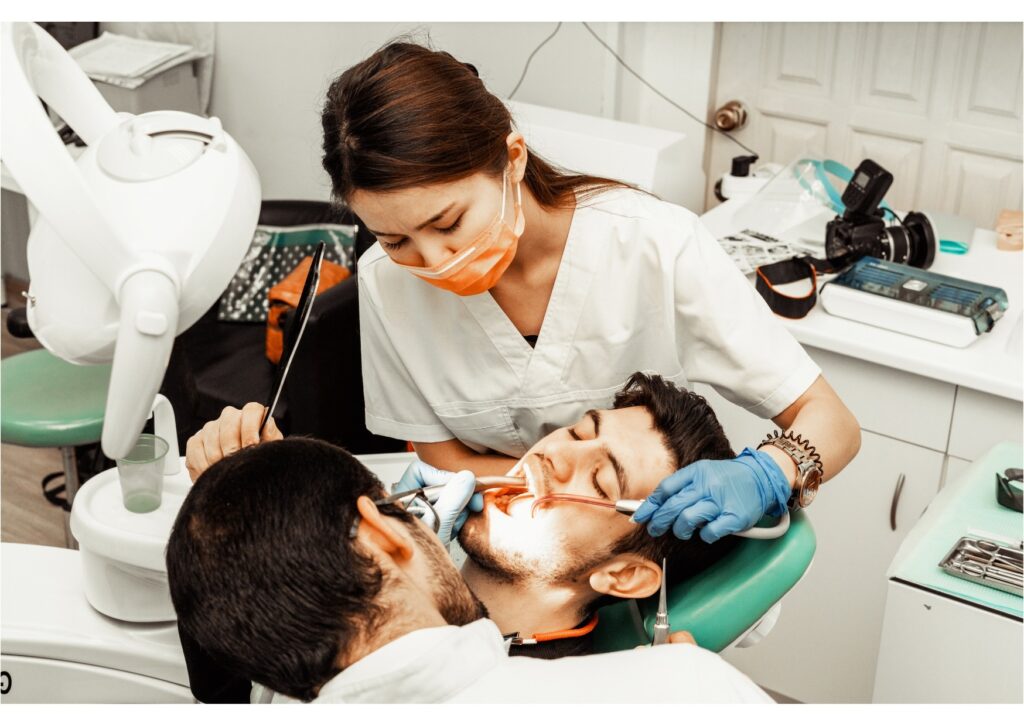
There is a broader lesson here about how closely the mouth and airway are connected. Dental teams work in a small, wet, moving space. Patients swallow constantly, cough unexpectedly, and sometimes arrive with loose teeth, fractured restorations, or active bleeding after trauma. That is why rubber dams, throat packs in some settings, floss ligatures on small parts, and careful positioning are part of routine safety.
Outside the dental office, real life adds its own variables. A child may proudly wiggle a baby tooth loose over pizza. An athlete may chip a front tooth on a basketball court. An older adult with dry mouth or dentures may not notice a loose crown until it is gone. These are ordinary situations, not rare failures.
The reassuring message is not that swallowing a tooth is always harmless. It is that clinicians know how to think through it methodically. Most cases turn out well when the right questions are asked early.
A swallowed tooth may pass without complications, but breathing issues, sharp fragments, metal attachments, or persistent symptoms should never be ignored. Fast evaluation can make a major difference, especially if there is coughing, chest discomfort, trouble swallowing, or severe abdominal pain after the incident.
Lovett Dental provides same-day emergency dental care for patients throughout Houston and nearby communities. If you are unsure what happens if you swallow a tooth or whether you need urgent treatment, call +1 832-804-7427 now to speak with our dental team and get prompt care before the situation becomes more serious.
Not usually. Teeth are made of very hard mineralized tissue, especially enamel, so they do not typically dissolve in stomach acid the way some foods do.
It may pass over the next few days, but timing can vary from person to person. If a clinician is monitoring the situation, follow the advice you were given about when to check back.
Often it is not dangerous, and many baby teeth pass without causing problems. Still, if there was choking, coughing, pain, or uncertainty about where the tooth went, a dental or medical evaluation is sensible.
Emergency care is most important if there is trouble breathing, persistent coughing, chest pain, trouble swallowing, severe abdominal pain, vomiting, fever, or if the object was sharp or attached to metal. If none of those apply, a dentist or medical clinician can help decide the next step.
A crown may also pass safely, but the risk depends on its size and shape and whether a post or sharp edge is attached. Because crowns and other dental parts can vary a lot, it is reasonable to contact a dentist for guidance.
Selected services and links are provided for context and next steps. If you have immediate concerns about breathing, seek emergency services first.
Lovett, Splendid & Haven Dentistry
Dental Offices in TX