

Open ’til 7pm + Saturday
Call
832-804-7427
832-804-7427
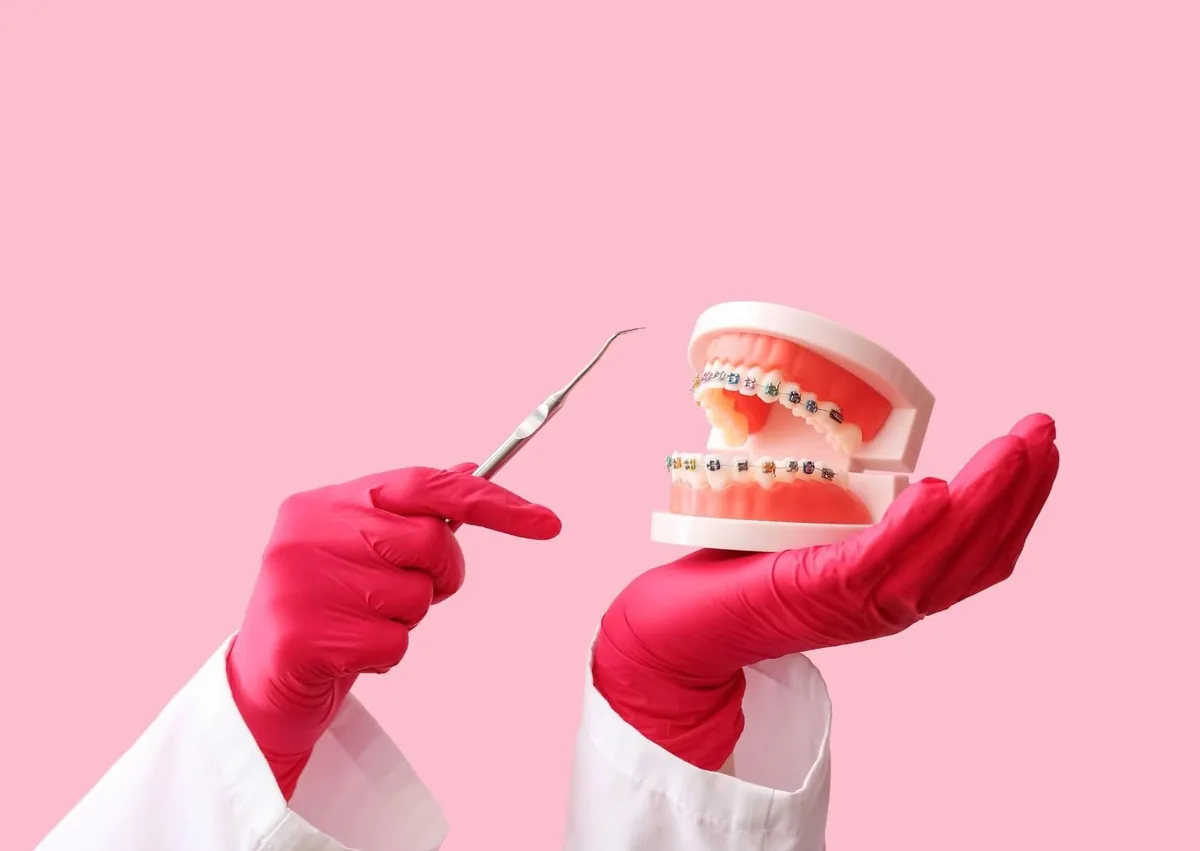
In the United States, dental braces usually cost about $3,000 to $8,000 for full treatment. Some cases cost less or more, depending on the type of braces, how complex the bite correction is, how long treatment lasts, and what the quoted fee includes.
The fastest way to estimate your total cost is to ask for a written treatment quote with line items. That helps you compare not just the starting price, but also records, visits, retainers, and possible extra charges.
If you're weighing the total investment for tooth alignment and considering traditional braces or alternatives, learning how specific options affect cost can clarify your choices. Lovett Dental in Houston, TX can explain which dental braces options typically include visits and retainers so you know what to expect.
Traditional metal braces are usually the lowest-cost fixed option. Ceramic braces often cost more because the brackets use different materials, and lingual braces are usually the most expensive because they are customized and placed behind the teeth.
|
Treatment Type |
Typical U.S. Total Cost |
Cost Context |
|---|---|---|
|
Metal braces |
$3,000 to $7,000 |
Often the lowest-cost fixed braces option |
|
Ceramic braces |
$4,000 to $8,000 |
Less noticeable, but materials and monitoring may cost more |
|
Lingual braces |
$8,000 to $13,000 or more |
Placed behind teeth; not offered by every orthodontist |
|
Clear aligners |
$3,000 to $8,000 |
Included for comparison; price varies by case and system |
These are broad national ranges, not guaranteed fees. Limited treatment for minor movement may cost less, while full bite correction and more difficult tooth movement may cost more.
Adults considering treatment may also want to review adult orthodontic benefits.
The brackets and wires are only part of the total fee. A comprehensive braces quote may also include records, treatment planning, placement, routine adjustments, monitoring, removal, and post-treatment care.
Common factors that change the total price include:
Braces do more than straighten visible front teeth. They may also need to correct how the upper and lower teeth fit together, which can make treatment more involved.
Significant overbites, underbites, crossbites, open bites, and jaw alignment problems often require more appointments, more detailed mechanics, and sometimes additional appliances. That extra planning and monitoring can increase the total fee.
In severe cases, orthodontic treatment may need coordination with other dental specialists or oral surgery. Those services are usually separate from the braces fee.
Many orthodontic offices use a comprehensive treatment fee that includes routine follow-up visits during the expected treatment period. Still, policies vary, so it is important to ask exactly what is included.
Do not assume retainers are part of the quote. Some practices include one set of retainers and a few retainer checks, while others bill retainers, replacements, or long-term follow-up separately.
Ask for an itemized estimate that covers:
Also ask whether there are added charges for broken brackets, lost appliances, missed visits, or treatment that lasts longer than first estimated.
At a high level, clear aligners often fall into a similar overall price range as braces. In many offices, they may cost about the same as metal braces or ceramic braces, depending on the case and the aligner system used.
The final fee depends on complexity, the number of aligners, refinements, and how much professional monitoring is included. Braces remain the main topic here, but aligners are useful as a comparison point when you are estimating total orthodontic costs.
Price alone should not decide the treatment choice. Braces may offer more predictable control for some complex movements, while aligners depend heavily on consistent wear.
Many dental and orthodontic offices offer monthly payment plans or third-party financing. A lower monthly payment can still mean a higher total cost if interest or fees apply.
Ask these questions before you agree to treatment:
Flexible spending accounts and health savings accounts may sometimes be used for eligible orthodontic expenses. Confirm the rules with your plan administrator.
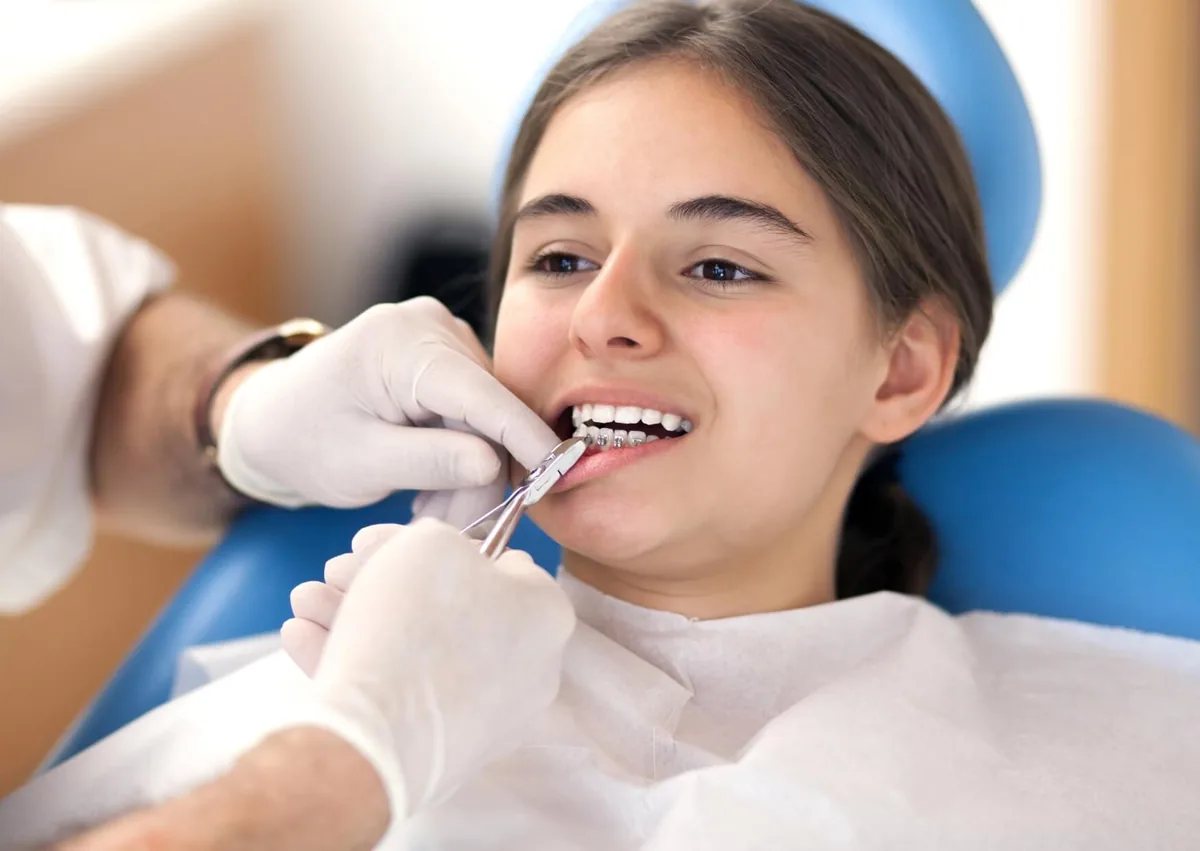
Consider an evaluation with orthodontics if your teeth are crowded, spacing bothers you, your bite feels off, or your jaws do not seem to meet comfortably. Children may benefit from an orthodontic screening around age 7, as recommended by the American Association of Orthodontists, although many children will not need braces at that age.
If you are already in treatment, contact the office for a loose band, broken wire, appliance that no longer fits, or pain that does not improve. For practical tips during treatment, see candy with braces.
Seek prompt dental or medical care for facial swelling, fever, uncontrolled bleeding, trouble swallowing or breathing, major trauma, or symptoms that are getting worse quickly. If you have had braces before and notice shifting, see need dental braces.
A written treatment plan and itemized quote give you the clearest picture of the likely total cost. Comparing what is included can help you avoid unexpected expenses later.
To get a personalized estimate and a clear itemized plan for dental braces, schedule an in-person orthodontic evaluation. Lovett Dental focuses on dental braces in Houston, TX and can help; call (832) 617-5530 or schedule an appointment to discuss treatment options.
Limited treatment may cost less than full braces, but there is no universal price for a simple case. The orthodontist still needs to evaluate your bite, roots, gum health, and the type of tooth movement required.
Metal braces are often the lowest-cost fixed braces option, but not always. Practice fees, treatment goals, and any added appliances can change the total.
Many comprehensive cases take about 12 to 30 months, although shorter and longer timelines are possible. Complexity, growth, oral hygiene, broken appliances, appointment attendance, and following instructions all affect treatment time.
Yes. The final cost can be higher if the original quote does not include certain records, appliances, repairs, retainers, or extended treatment.
Lovett, Splendid & Haven Dentistry
Dental Offices in TX