

Open ’til 7pm + Saturday
Call
832-804-7427
832-804-7427
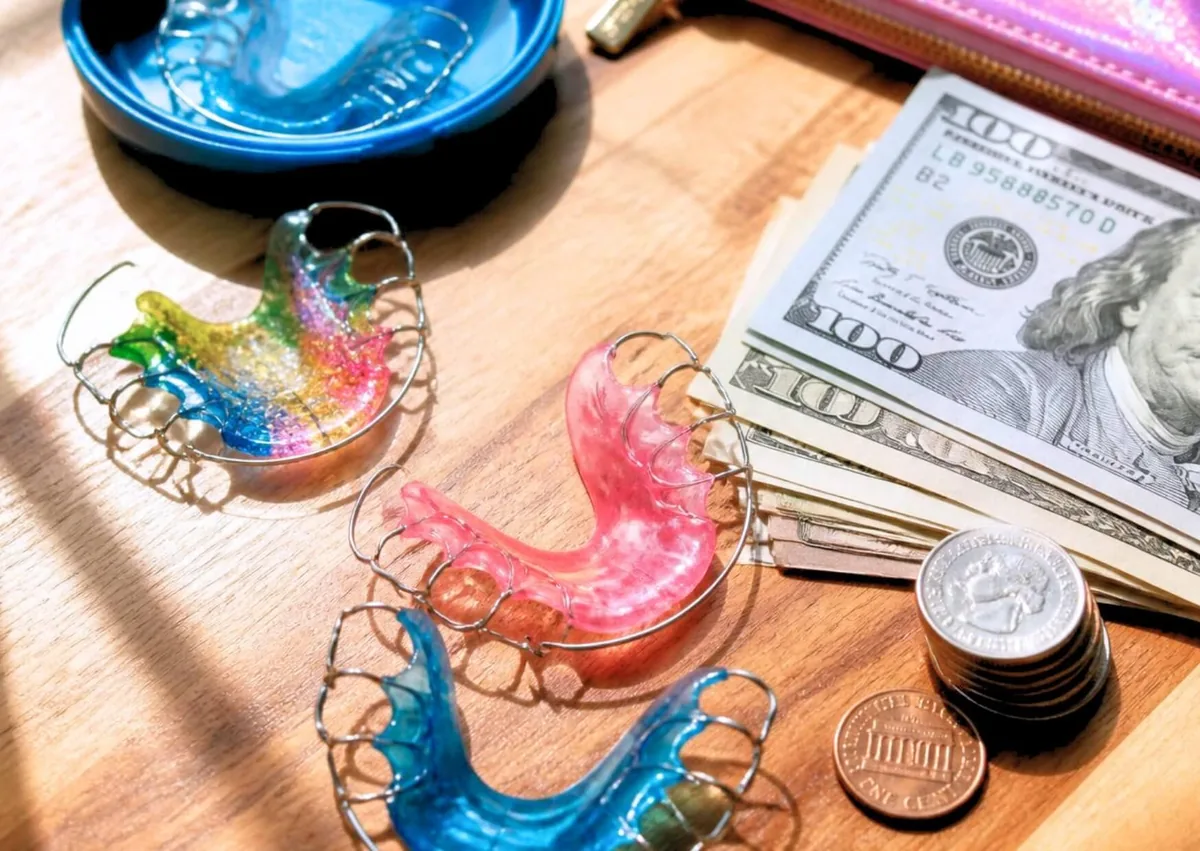
If you need a new retainer, the short answer is this: most removable retainers cost about $100 to $500, while a fixed or bonded retainer often costs about $250 to $800 per arch. The exact price depends on the type of retainer, whether you need one arch or both, and whether the fee includes scans, fitting, adjustments, or follow-up care.
General retainer costs can also vary based on whether you are buying your first retainer after orthodontic treatment or replacing one that was lost, broken, or no longer fits.
If your retainer is lost, broken, or starting to feel too tight, an orthodontics evaluation can show whether you need a simple replacement, a repair, or more treatment because teeth have already shifted. Lovett Dental in Houston, TX helps patients understand retainer options, fit issues, and expected costs with clear, patient-friendly guidance.
|
Retainer Type |
Typical Cost |
What to Expect |
|---|---|---|
|
Clear or Essix-style removable retainer |
$100 to $300 per arch |
Thin, nearly invisible plastic that fits over the teeth |
|
Hawley removable retainer |
$150 to $500 per arch |
Acrylic-and-wire retainer that is durable and sometimes adjustable |
|
Fixed or bonded retainer |
$250 to $800 per arch |
Wire attached behind the teeth, usually across the front teeth |
These are general self-pay ranges, not guaranteed fees. Some offices charge per arch, while others quote one fee for both upper and lower retainers.
Clear retainers are popular because they are discreet, but they can crack, warp, or wear out. Hawley retainers are more visible, but they often last longer and may sometimes be adjusted instead of fully replaced.
A fixed retainer stays in place, so it does not rely on remembering to wear it. It also needs careful cleaning, and a loose or broken section may require a repair or rebonding fee.
The first retention fee after braces or aligners often includes more than the retainer itself. It may cover digital scans or impressions, appliance delivery, fitting, adjustments, and follow-up visits.
In some offices, the initial package also includes one or more future replacements. That is one reason a replacement retainer may cost less than the original retention package.
A later replacement is often cheaper because the office may only need to make a new appliance from an existing scan or model. But a new dental exam or scan may still be needed if records are outdated, unavailable, or your teeth have moved.
Insurance coverage varies. Some plans help with initial retention after orthodontic treatment but do not cover lost or damaged replacement retainers.
Replacement retainer cost depends on the material, lab fee, number of arches, and local office pricing. The total can also change if you need a new scan, an office visit, same-day fabrication, shipping, or follow-up adjustments.
For a fixed retainer, a small repair may cost less than full replacement. If the wire is bent, broken, or detached from several teeth, the fee may be higher.
Ask whether the quote includes fitting and minor adjustments. It is also helpful to ask whether the office keeps digital scans on file for future retainer orders.
There is no single replacement schedule for every patient. Clear retainers often last from about 6 months to a few years, depending on wear, grinding, cleaning habits, and how carefully they are stored.
Hawley retainers may last several years if they are handled well. General guidance on retainer longevity also notes that Hawley retainers often outlast clear plastic retainers.
Fixed retainers can stay in place for many years, but the bonding can loosen over time. The wire may also bend or collect plaque and tartar if cleaning is difficult.
A retainer may need repair or replacement if it cracks, develops a sharp edge, smells bad even after proper cleaning, feels loose, or no longer fits correctly. A bonded retainer should be checked if the wire shifts, feels rough, or lifts away from any tooth.
Contact your orthodontics or dental office as soon as a retainer is lost or stops fitting. Teeth can start to move during a gap in retention, especially if active orthodontic treatment ended recently.
Do not force a retainer that will not seat fully or cause significant pain. That can damage the appliance or put unwanted pressure on teeth that have already shifted.
If the retainer still goes in but feels tighter than usual, ask the office what to do before changing your wear schedule. Never heat, bend, trim, or glue a retainer at home, and follow basic retainer care guidance to avoid making the problem worse.
A retainer is mainly meant to hold teeth in their current position. It is not designed to correct meaningful relapse once teeth have already moved.
If spaces have reopened, teeth are overlapping again, your bite feels different, or the retainer will not seat completely, a new retainer alone may not solve the problem. In those cases, an orthodontic evaluation may show that minor correction with clear aligners or another retreatment option is needed.
Retainers help prevent teeth shifting, but they cannot always reverse it once it happens. If relapse is more advanced, you may need dental braces again rather than just a replacement retainer.
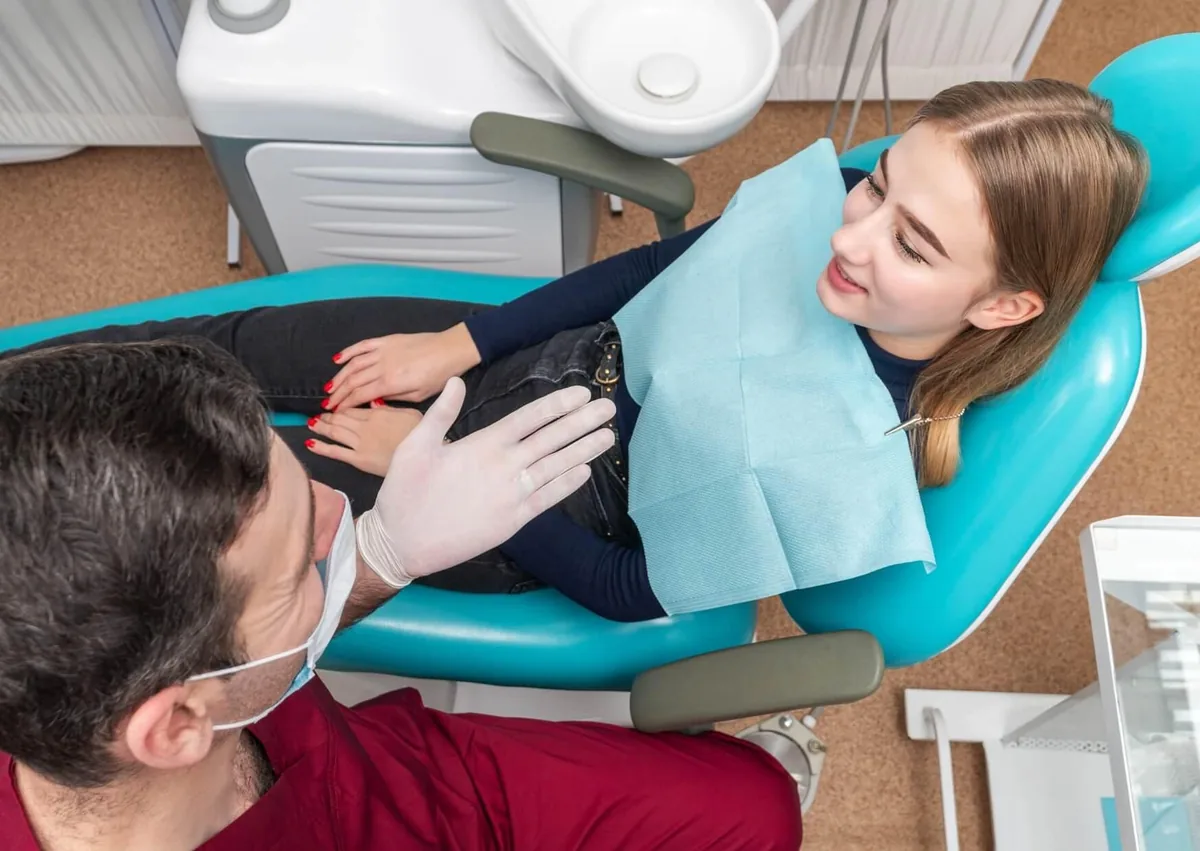
Arrange a prompt visit if your retainer is lost, broken, loose, or no longer fits. Early evaluation may help limit further shifting and show whether a simple replacement is still possible.
Seek urgent dental care if you have severe pain, swelling, facial trauma, bleeding, or a broken wire that is cutting tissue. If a removable retainer has sharp edges, take it out and store it safely until it can be checked.
Bring your current or damaged retainer to the visit if you still have it. That can help the clinician decide whether it can be adjusted, repaired, or replaced.
A prompt orthodontics visit can confirm whether you still qualify for a simple retainer replacement or whether tooth movement now requires additional correction. Contact Lovett Dental’s orthodontics team in Houston, TX, serving Baytown and Beaumont. Call (832) 617-5530 to schedule your evaluation and review expected next-step costs.
Usually, yes. A clear removable retainer often costs less upfront than a fixed retainer, but long-term cost depends on how often it needs replacement.
Many patients do, but not always. Ask whether the quoted fee covers one arch or both, because that can change the total price significantly.
Only if it still fits fully without force and is not cracked or warped. Check with the treating office before relying on it.
Usually not. A new retainer may help with very minor movement, but it is not meant to correct noticeable shifting or bite changes.
Store it in its case when not in use, keep it away from heat and pets, and clean it as directed by your dental office. Bring it to routine visits so the fit and condition can be checked.
Lovett, Splendid & Haven Dentistry
Dental Offices in TX