

Open ’til 7pm + Saturday
Call
832-804-7427
832-804-7427
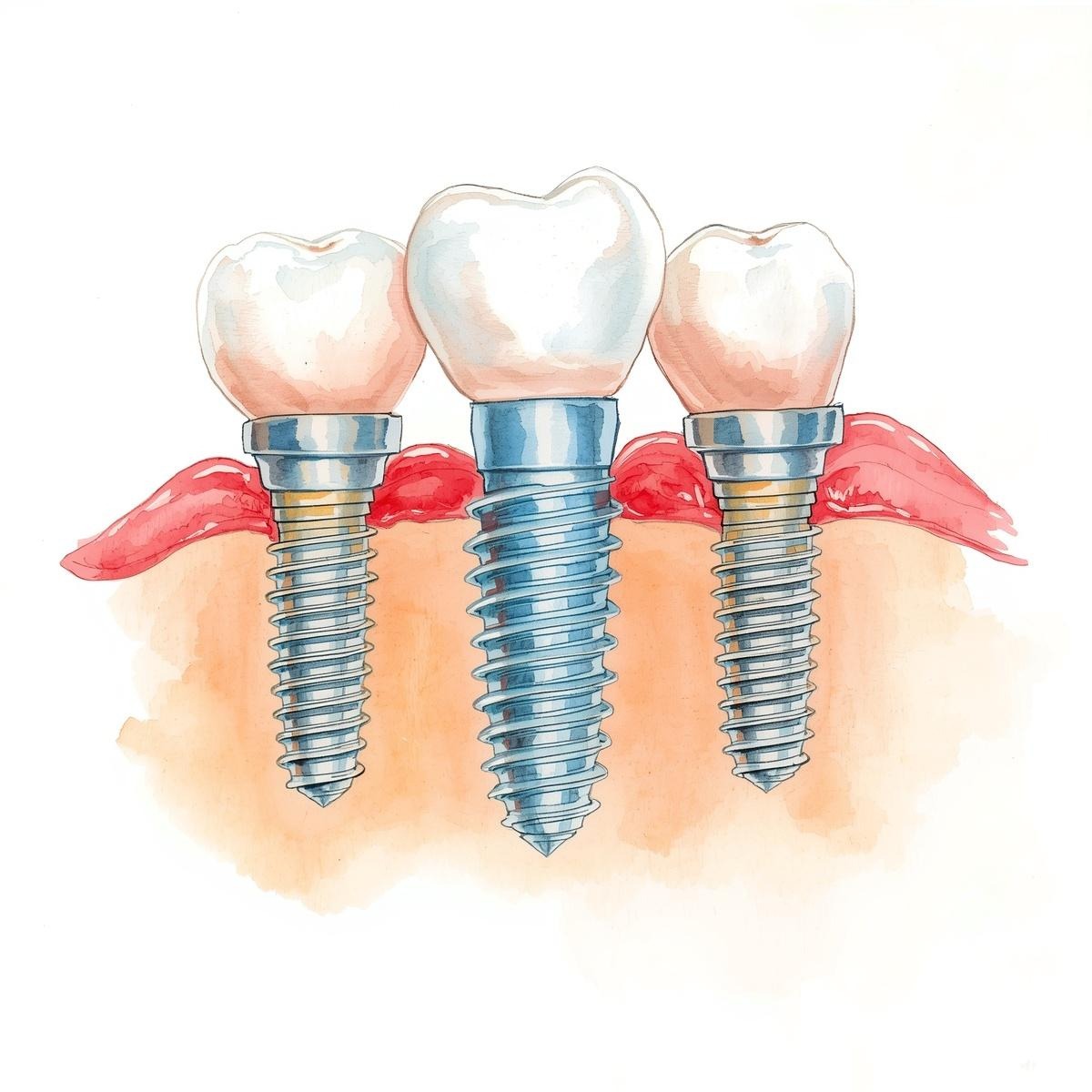
For most people, it’s not “too late” to get dental implants based on age alone. The real limits usually come from health factors (how well you heal and fight infection), oral conditions (gum disease, active infection, bite forces), and bone and gum support (whether there’s enough stable bone and healthy tissue to support an implant). Even when implants aren’t a good option right now, many cases can be improved with treatment, risk reduction, or alternative implant designs and restorative plans.
This question often comes up after years of missing teeth, advanced gum disease, or wearing dentures for a long time. People worry that bone loss has progressed so far that implants are no longer possible, or that being older automatically rules them out.
Clinically, “too late” typically means one of two things: either implants would be unsafe due to medical risk, or implants would be unlikely to succeed without first addressing problems like infection, unstable bite forces, or inadequate bone and soft tissue support.
Implant treatment can often still be possible with the right planning, even when bone loss or oral health concerns are part of the picture. Explore how dental implants work and what treatment may involve.
After a tooth is lost, the jawbone in that area no longer gets the same stimulation it once did, and the body gradually remodels the bone. Over time, that often leads to bone shrinkage in height and width, and the gums can change shape as well.
Dental implants rely on a stable foundation: the implant must bond with bone (osseointegration), and the surrounding gum tissue must be healthy enough to seal out bacteria. The longer a tooth has been missing—especially if there’s ongoing inflammation, smoking, uncontrolled systemic disease, or a poorly fitting denture rubbing the tissues—the more likely it is that extra planning (or pre-treatment) will be needed for a predictable result.
It may be “too late” right now if you have conditions that make surgery or healing unacceptably risky, or if the mouth is too unstable to support an implant restoration. That does not always mean “never,” but it can mean that the next step is stabilizing health and oral conditions first.
In practice, dentists and specialists look for manageable risk and a path to a stable foundation. If those can be achieved—sometimes with gum therapy, infection control, bite planning, and bone/soft-tissue procedures—implants may still be possible even years after tooth loss.
| Situation | Why it can make implants “too late” | What a dentist may do first | Implants later? |
|---|---|---|---|
| Uncontrolled systemic disease affecting healing | Higher infection risk and poorer bone/gum healing | Coordinate with your physician; stabilize health before surgery | Often possible once controlled |
| Active gum disease or untreated infection | Bacteria and inflammation threaten implant tissues | Periodontal treatment and stabilization; reassess after healing | Commonly possible after treatment |
| Severe bone loss in the implant area | Not enough stable bone to place an implant safely | Evaluate bone options and prosthetic design; consider site development | Sometimes, depending on anatomy and goals |
| History of head/neck radiation or complex medical therapy | Bone and soft tissue may heal less predictably | Specialist evaluation; risk assessment and modified planning | Case-by-case |
| Heavy grinding/clenching with bite instability | Excess forces can overload implants and components | Occlusal (bite) planning; protective strategies; restoration design | Often, with careful planning |
| Inability to maintain oral hygiene around implants | Plaque-driven inflammation can lead to peri-implant disease | Simplify design, improve access, set maintenance plan | Sometimes, with the right design/support |
Age by itself is rarely the deciding factor. Many older adults do well with implants when their overall health, bone quality, and oral hygiene support predictable healing.
What matters more is medical stability, the ability to attend follow-ups, and whether the final restoration can be maintained comfortably and cleanly over time.
Bone loss is common after tooth loss and can be more pronounced the longer teeth have been missing. In some cases, there’s enough bone for implants without additional procedures; in other cases, the best plan may involve site development or alternative implant positions and restoration designs.
A key point is that “not enough bone” is not a single diagnosis—it’s an anatomy-and-goals problem. The question becomes whether there is a safe, predictable way to support the type of tooth replacement you want.
Untreated gum disease is a major reason implants can fail, because the same bacteria and inflammation that harm natural teeth can also damage tissues around implants. If gum disease is active, placing implants too soon can lead to complications.
The good news is that many patients can become candidates after periodontal stabilization. The long-term success often depends on maintenance and daily plaque control, not just the surgery.
Healthy gums and stable supporting tissues are a major part of successful implant planning. Learn more about periodontal treatment and when it may be the right first step.
Some health conditions and therapies can affect healing, infection risk, and bone quality. This doesn’t automatically rule out implants, but it can change timing, technique, and whether a more conservative plan is safer.
Your dental team may request medical clearance or coordinate with your physician so the plan reflects your current health and risk profile.
If you’re considering implants, earlier evaluation can preserve options—especially if you’ve recently lost a tooth or are about to have one removed. Planning ahead may help prevent avoidable bone loss and reduce the complexity of the eventual procedure.
You should also seek prompt dental evaluation if you have persistent gum swelling, drainage, bad taste, worsening pain, or a loose tooth or denture causing sores. Active infection and chronic inflammation can shrink the “margin of safety” for implant planning over time.
Implant candidacy is determined by a combination of clinical exam and imaging, along with your medical history and functional goals. The dentist is not only assessing whether an implant can be placed, but whether the final tooth replacement can be comfortable, stable, and maintainable.
Expect a discussion about what you want to achieve (one tooth, multiple teeth, stabilizing a denture), how you clean at home, and any habits like grinding. Many decisions are made by working backward from the ideal tooth position and bite, then checking whether bone and gum conditions can support it.
Being told “not a candidate” is often a timing and planning issue rather than a permanent no. A staged approach can sometimes improve predictability by addressing infection, stabilizing gum disease, improving hygiene access, and planning the bite and tooth positions before any implant placement is considered.
In other cases, a different tooth-replacement approach may better fit your anatomy, health, or maintenance preferences. The goal is a solution that is stable, comfortable, and realistic to maintain long term.
| Goal | Potential paths a dentist may discuss | Why it can help |
|---|---|---|
| Replace one missing tooth | Implant crown vs tooth-supported bridge (when appropriate) | Balances surgical needs, neighboring tooth health, and long-term maintenance |
| Replace several teeth | Implant-supported bridge vs removable partial denture | Matches stability needs to available support and hygiene access |
| Stabilize a full denture | Implant-retained overdenture (when feasible) vs conventional denture refinement | Improves retention and comfort for many patients with less bulk movement |
| Reduce infection and inflammation first | Gum therapy, caries control, extraction of non-restorable teeth, tissue stabilization | Creates a healthier environment before considering implants |
If you’re worried it might be “too late,” the safest and most helpful steps are the ones that improve oral stability and reduce inflammation. Good daily cleaning, keeping regular dental visits, and addressing gum bleeding early can meaningfully improve the environment for any future tooth replacement.
If you smoke or vape, reducing or stopping can improve gum health and healing potential. If you have a medical condition that affects healing, working with your clinician to improve overall stability can also support better surgical outcomes and lower complication risk.
Some patients need additional jawbone support before implant treatment can be planned predictably. Ridge augmentation may help create a more stable foundation in the right cases.
Implant candidacy is usually not an emergency question, but certain symptoms should not wait. Seek urgent dental or medical evaluation if you have facial swelling, fever, rapidly worsening pain, drainage with significant swelling, uncontrolled bleeding, numbness, or trouble swallowing or breathing.
Those signs can indicate a spreading infection or another urgent condition that needs immediate assessment, regardless of whether you’re planning implants.
There is rarely a strict upper age limit. Many people in their 70s, 80s, and beyond can do well with implants when their health is stable and the plan is designed for maintainability.
The decision is more about medical risk, healing capacity, and whether the final restoration can be kept clean and stable over time.
Not necessarily, but long-term tooth loss often means more bone and gum changes that can complicate planning. It may require additional evaluation, and sometimes a staged approach is considered.
A consultation with appropriate imaging can clarify whether implants are feasible, what kind, and what steps (if any) would improve predictability.
You can’t determine this reliably at home. Dentists use exams and imaging to measure bone volume and evaluate important anatomy near the planned implant site.
“Enough bone” also depends on the type of restoration you want and where the final tooth needs to sit for a stable bite and cleanable contours.
Active gum disease is a major risk factor because it reflects an inflammatory, bacteria-driven environment. Placing implants into an unstable situation can increase the chance of complications over time.
However, many patients become candidates after gum disease is treated and controlled, especially when ongoing maintenance is realistic and consistent.
Conditions or therapies that significantly increase surgical risk, impair healing, or raise infection risk may require postponing implants or choosing a different approach. The details vary widely from person to person.
That’s why implant planning often includes a careful medical review and, when needed, coordination with your physician to make the safest decision.
Depending on your situation, options can include tooth-supported bridges (when appropriate), removable partial dentures, conventional full dentures, or plans focused on comfort and stability without surgery.
A dentist can help you compare tradeoffs like stability, aesthetics, cleaning, longevity, and the impact on remaining teeth so you can choose a realistic long-term solution.
Lovett, Splendid & Haven Dentistry
Dental Offices in TX